# Unlocking the World of Phlebotomy Careers: What You Need to Know
If you have ever had blood drawn for testing or donation, you have likely interacted with a phlebotomist. Phlebotomy is the practice of drawing blood for various purposes, and it is an essential part of the healthcare industry. If you are considering a career in phlebotomy, there are several things you should know to help you unlock the world of opportunities in this field.
## What is Phlebotomy?
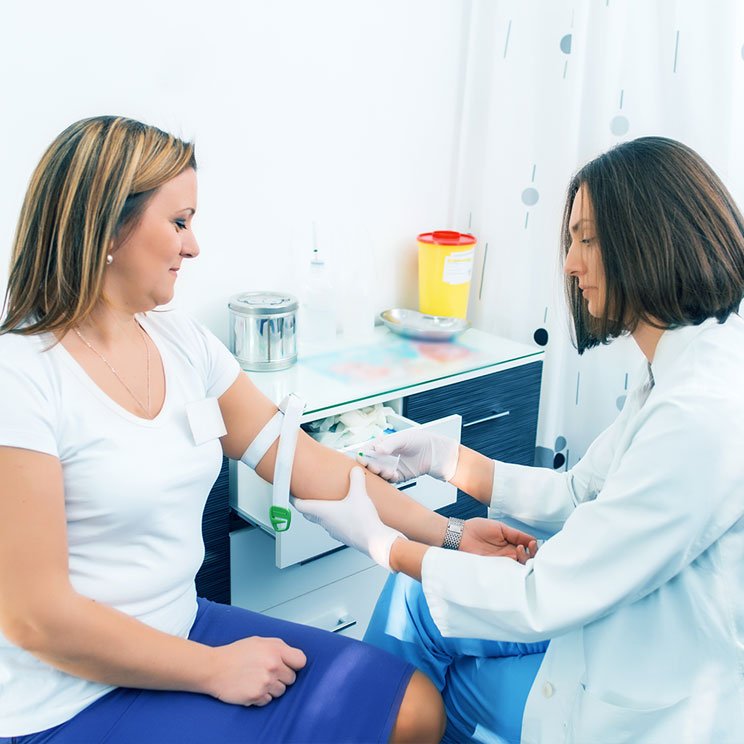
Phlebotomy is the process of drawing blood from patients for diagnostic, donation, or research purposes. Phlebotomists are trained healthcare professionals who collect blood samples and ensure their proper handling and storage. They work in a variety of settings, including hospitals, clinics, laboratories, blood banks, and research facilities.
## Educational Requirements
To become a phlebotomist, you will need to complete a phlebotomy training program. These programs are typically offered by vocational schools, community colleges, and healthcare facilities. The training covers various topics, including anatomy, physiology, blood collection techniques, and safety procedures. Once you have completed your training, you may also need to pass a certification exam to become a certified phlebotomy technician.
## Job Outlook and Opportunities
Phlebotomy is a growing field with good job prospects. According to the Bureau of Labor Statistics, employment of phlebotomists is projected to grow 17% from 2020 to 2030, much faster than the average for all occupations. This growth is attributed to an aging population that will require more medical services, including blood tests for diagnosis and treatment.
Phlebotomists can work in a variety of settings, including hospitals, clinics, blood banks, laboratories, and research facilities. Some phlebotomists also work for mobile blood collection services, visiting schools, businesses, and other locations to collect blood donations.
## Benefits of a Phlebotomy Career
There are several benefits to pursuing a career in phlebotomy, including:
– **Job Security:** The growing demand for healthcare services ensures that phlebotomists will continue to be in demand.
– **Flexibility:** Phlebotomists can work full-time, part-time, or on a per-diem basis, making it a flexible career choice.
– **Competitive Salary:** Phlebotomists earn a competitive salary, with the potential for advancement with additional training and certifications.
## Practical Tips for Success
If you are considering a career in phlebotomy, here are some practical tips to help you succeed:
– **Stay Updated:** Keep up with the latest trends and technologies in phlebotomy to enhance your skills and knowledge.
– **Develop Soft Skills:** Strong communication and interpersonal skills are essential for phlebotomists to build rapport with patients and healthcare professionals.
– **Network:** Build relationships with peers, mentors, and industry professionals to learn from their experiences and expand your opportunities.
## Conclusion
Phlebotomy is a rewarding and in-demand career with plenty of opportunities for growth and advancement. By completing the necessary training and certifications, you can unlock the world of phlebotomy careers and make a positive impact on the healthcare industry. If you are passionate about helping others and have a steady hand, a career in phlebotomy may be the right choice for you. Start your journey today and explore the exciting world of phlebotomy careers!