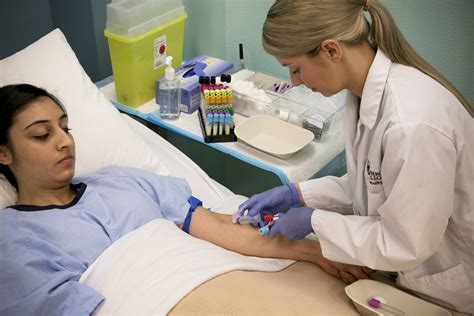
**Unlocking the Secrets of the Phlebotomy Vein: Tips for Successful Blood Draws**
Are you a healthcare professional looking to improve your phlebotomy skills? Do you struggle with finding veins for blood draws? If so, you’re not alone. Phlebotomy, the practice of drawing blood from patients for various laboratory tests and procedures, can be a challenging task. However, with the right techniques and tips, you can improve your success rate and make the process smoother for both yourself and your patients. In this article, we’ll explore the secrets of the phlebotomy vein and provide valuable tips for successful blood draws.
**Understanding the Phlebotomy Vein**
Before diving into the tips for successful blood draws, it’s essential to understand the anatomy of the phlebotomy vein. Veins are blood vessels that carry deoxygenated blood back to the heart. They are relatively thin-walled compared to arteries and have valves to prevent backflow. In phlebotomy, veins are commonly used for blood draws due to their accessibility and low risk of complications.
Some key factors to consider when identifying a suitable vein for blood draws include:
– Vein size and visibility
– Vein depth and location
- Patient age and medical history
By understanding these factors, you can improve your ability to locate and access veins for successful blood draws.
**Tips for Successful Blood Draws**
Now that we’ve covered the basics of the phlebotomy vein, let’s explore some tips to help you improve your blood draw technique:
1. Choose the right equipment: Use high-quality needles, syringes, and blood collection tubes to ensure a smooth and successful blood draw.
2. Prepare the patient: Explain the procedure to the patient, position them comfortably, and use a tourniquet to make veins more visible.
3. Select the appropriate vein: Choose a vein that is visible, palpable, and free of injury or scarring.
4. Cleanse the site: Use an alcohol swab to clean the skin before inserting the needle to prevent infections.
5. Use proper technique: Insert the needle at the correct angle and depth, and apply gentle pressure to ensure a successful blood draw.
6. Monitor the patient: Keep an eye on the patient during the blood draw to address any issues or complications promptly.
7. Label and handle samples correctly: Label blood collection tubes accurately and transport them to the laboratory following established protocols.
By following these tips, you can enhance your phlebotomy skills and increase your success rate when drawing blood from patients.
**Benefits and Practical Tips**
Improving your phlebotomy skills can have several benefits, including:
– Reduced patient discomfort and anxiety
- Faster and more efficient blood draws
- Accurate laboratory test results
– Enhanced patient satisfaction and trust
To further enhance your phlebotomy practice, consider the following practical tips:
– Attend training workshops and seminars to stay updated on the latest phlebotomy techniques and best practices.
– Practice on training aids and simulated veins to hone your skills and boost your confidence.
– Seek feedback from colleagues and mentors to identify areas for improvement and refine your technique.
By incorporating these tips into your phlebotomy practice, you can unlock the secrets of the phlebotomy vein and achieve successful blood draws with ease.
**Conclusion**
mastering the art of phlebotomy requires a combination of knowledge, skill, and practice. By understanding the anatomy of the phlebotomy vein and following the tips outlined in this article, you can improve your blood draw technique and provide a positive experience for your patients. Remember to prioritize patient comfort and safety, use proper equipment and technique, and stay informed about best practices in phlebotomy. With dedication and commitment, you can unlock the secrets of the phlebotomy vein and become a successful phlebotomy professional.