**Unlocking the Secrets: Essential Education and Training for Aspiring Phlebotomists**
Are you interested in pursuing a career as a phlebotomist? If so, you’ve come to the right place! In this article, we’ll explore the essential education and training required to become a successful phlebotomist, as well as provide tips on how to excel in this field.
**Introduction**
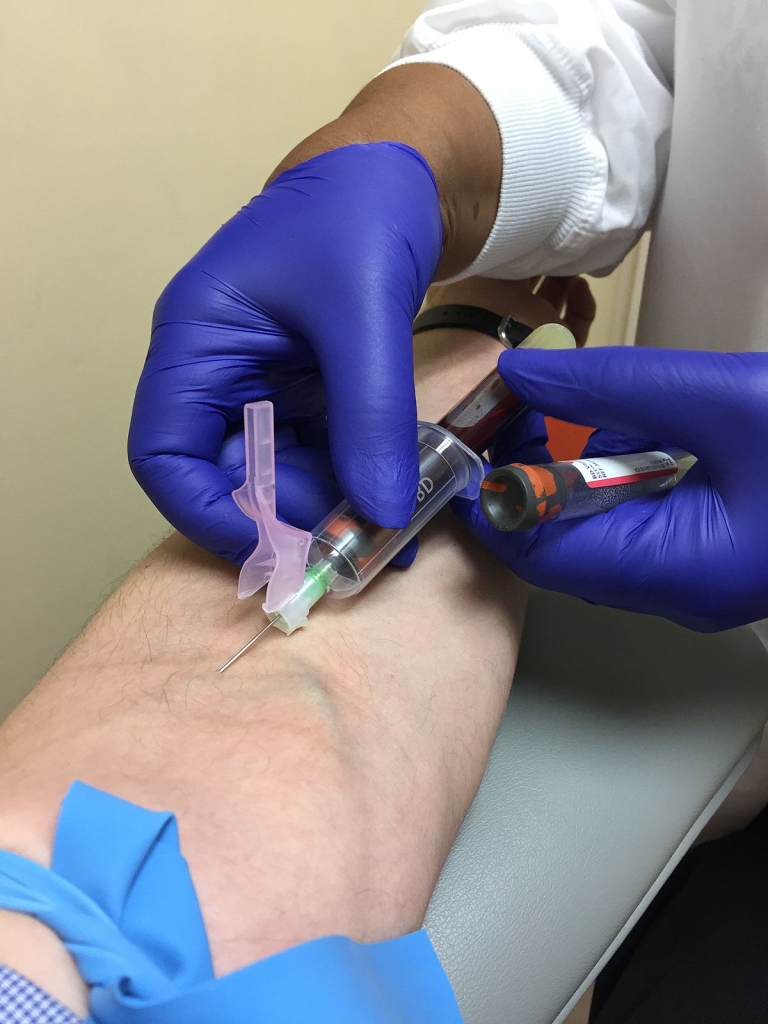
Phlebotomy is a crucial aspect of healthcare, involving the collection and analysis of blood samples for medical testing and diagnosis. Phlebotomists are skilled professionals who play a vital role in patient care by ensuring that blood samples are collected safely and accurately. To become a phlebotomist, individuals must undergo specific education and training to develop the necessary skills and knowledge for this role.
**Benefits of Becoming a Phlebotomist**
Before we dive into the education and training requirements for aspiring phlebotomists, let’s first explore some of the benefits of pursuing this career path:
– Opportunity for career growth and advancement
– Fulfilling work that directly impacts patient care
– Competitive salary and job stability
– Flexible work hours in various healthcare settings
**Essential Education and Training**
To become a certified phlebotomist, individuals must complete a phlebotomy training program and obtain certification from a recognized accrediting body. Here are the essential components of phlebotomy education and training:
1. **Phlebotomy Training Program**: Prospective phlebotomists must complete a training program that covers essential topics such as anatomy, physiology, medical terminology, blood collection techniques, and infection control protocols. These programs are offered by vocational schools, community colleges, and healthcare institutions.
2. **Clinical Experience**: Hands-on experience is a crucial aspect of phlebotomy training. Students must complete a designated number of clinical hours under the supervision of experienced phlebotomists to develop their skills in blood collection and patient interaction.
3. **Certification Exam**: After completing the required training and clinical experience, individuals can sit for a certification exam offered by organizations such as the National Healthcareer Association (NHA) or the American Society for Clinical Pathology (ASCP). Certification demonstrates competency and proficiency in phlebotomy practices.
**Practical Tips for Aspiring Phlebotomists**
– Develop strong communication skills for interacting with patients
– Practice proper hand hygiene and infection control measures
– Stay updated on best practices and industry trends
– Seek mentorship from experienced phlebotomists for guidance and support
**Case Study**
Sarah, a recent graduate of a phlebotomy training program, secured a job at a local hospital after obtaining her certification. She credits her success to the comprehensive education and hands-on experience she received during her training. Sarah’s passion for patient care and dedication to excellence have made her a valued member of the healthcare team.
**Conclusion**
Becoming a phlebotomist requires dedication, specialized training, and a commitment to excellence. By completing a phlebotomy training program, gaining hands-on experience, and obtaining certification, individuals can unlock the secrets to a rewarding career in phlebotomy. Whether you’re just starting your journey or looking to advance in the field, the opportunities for growth and fulfillment as a phlebotomist are endless. Start your path to success today!