**Unlocking the Mystery: Common Phlebotomy Questions Answered!**
If you’re considering a career in phlebotomy or are just curious about what happens during a blood draw, you may have some questions. Phlebotomy, the practice of drawing blood from patients for various medical purposes, can be a mysterious process to those unfamiliar with it. In this article, we’ll answer some of the most common questions about phlebotomy to help demystify this important medical practice.
**What is Phlebotomy?**
Phlebotomy is the practice of drawing blood from patients for diagnostic testing, blood donations, or other medical purposes. A phlebotomist, or someone trained in phlebotomy, is responsible for collecting blood samples safely and efficiently.
**Common Phlebotomy Questions**
1. **What Does a Phlebotomist Do?**
– A phlebotomist’s main responsibility is to draw blood from patients for testing or medical procedures. They must follow strict protocols to ensure the safety of both themselves and the patient.
2. **Do Phlebotomists Need Certification?**
– While certification requirements vary by state, most employers prefer to hire certified phlebotomists. Certification demonstrates that the phlebotomist has met certain training and competency standards.
3. **Is Phlebotomy Painful?**
– While some patients may experience mild discomfort during a blood draw, phlebotomists are trained to minimize pain and discomfort as much as possible. Proper technique and a gentle touch can make the process less painful for the patient.
4. **What Equipment Do Phlebotomists Use?**
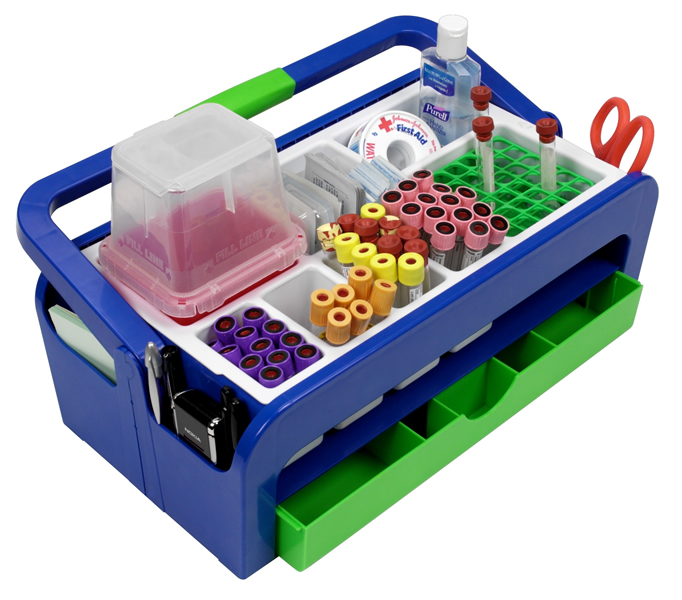
- Phlebotomists use a variety of equipment, including needles, collection tubes, venipuncture supplies, and labels for blood samples. They must also follow proper safety protocols to prevent contamination and ensure accurate results.
5. **How Long Does it Take to Become a Phlebotomist?**
– The length of phlebotomy training programs can vary, but most programs can be completed in a few months. After completion of a training program, phlebotomists may need to pass a certification exam to become certified.
**Benefits of Phlebotomy**
– Phlebotomy is a rewarding career that allows you to help patients and play a vital role in the healthcare system.
– Phlebotomy certification can lead to job opportunities in a variety of healthcare settings, including hospitals, clinics, and blood donation centers.
**Practical Tips for Aspiring Phlebotomists**
– Practice good communication skills to help patients feel at ease during the blood draw process.
– Pay attention to detail and follow proper procedures to ensure the accuracy and integrity of blood samples.
– Stay up-to-date on the latest phlebotomy techniques and best practices to provide the highest level of care to patients.
**Conclusion**
Phlebotomy is an essential aspect of healthcare that plays a key role in diagnosis and treatment. By answering common phlebotomy questions and providing insights into the practice, we hope to demystify phlebotomy for those interested in pursuing a career in this field. Whether you’re considering becoming a phlebotomist or simply curious about the process, understanding the basics of phlebotomy can help you appreciate the important work that phlebotomists do every day.