Unlocking Phlebotomy Pay: How Much Do Phlebotomists Really Make in 2023?
In the evolving landscape of healthcare, phlebotomists play a critical role in patient care. With the growing demand for medical professionals and the steady need for blood tests, many are curious about the earnings of phlebotomists in 2023. This article will delve into phlebotomy salaries, factors influencing pay, the benefits of a career in this field, and tips for financial growth.
Understanding Phlebotomy: An Overview
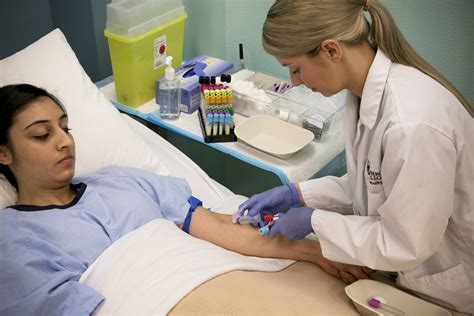
Phlebotomy is the practice of drawing blood from patients for diagnostic testing, transfusions, or research. Phlebotomists are trained professionals who perform this essential function and also manage blood samples and ensure patient comfort and safety.
What Does a Phlebotomist Do?
- Collect blood samples for laboratory testing
- Prepare blood samples for analysis
- Maintain patient records and ensure data accuracy
- Educate patients about the blood draw process
- Follow strict safety protocols to minimize risk
Phlebotomy Salaries in 2023
As of 2023, the salary of a phlebotomist varies significantly based on several factors, including geographical location, experience level, and the work environment. Let’s break down these factors to understand the average earnings in this field.
Average Phlebotomist Salary
The average salary for a phlebotomist in the United States in 2023 stands around $38,000 to $45,000 annually. However, this range can vary:
| Experience Level | Annual Salary Range |
|---|---|
| Entry-Level (0-2 years) | $30,000 – $36,000 |
| Mid-Level (3-5 years) | $36,000 – $45,000 |
| Experienced (5+ years) | $45,000 – $55,000+ |
Factors Influencing Phlebotomist Pay
Several key factors affect how much a phlebotomist can earn:
- Geographical Location: Salaries often vary by state and even city. For instance, phlebotomists in metropolitan areas tend to earn more compared to those in rural settings.
- Certification: Certified phlebotomists through organizations like the American Society for Clinical Pathology (ASCP) or the National Phlebotomy Association (NPA) often command higher salaries.
- Type of Employer: Working for hospitals generally offers higher pay than outpatient facilities or laboratories.
- Experience Level: More experience leads to increased responsibilities, often resulting in higher pay.
- Specialization: Phlebotomists who undergo additional training in specialized areas, such as pediatric or geriatric phlebotomy, can earn more.
Benefits of a Career in Phlebotomy
A career as a phlebotomist offers numerous benefits beyond just financial rewards. Here are a few:
- Job Stability: The demand for healthcare professionals, including phlebotomists, is steadily increasing.
- Flexibility: Many phlebotomy positions offer varied hours, making it conducive to different lifestyles.
- Entry-Level Opportunities: Phlebotomy requires minimal education, often allowing for quick entry into the field.
- Impactful Work: Helping patients manage their health by collecting vital blood samples gives a sense of fulfillment.
Practical Tips for Boosting Phlebotomy Pay
If you’re looking to enhance your earnings as a phlebotomist, consider these practical tips:
- **Obtain Certification:** Pursuing certifications can increase your job prospects and salary.
- **Gain Experience:** Seek opportunities in various healthcare settings to build a diverse skill set.
- **Network:** Connect with professionals in the industry to learn about job openings and advancement opportunities.
- **Advanced Training:** Consider specializations that can lead to supervisory roles or higher pay.
- **Research Salaries:** Keep informed about salary trends in your area to negotiate effectively when job hunting.
Real-Life Experiences: Case Studies
Case Study 1: Entry-Level Phlebotomist
Jessica, a recent graduate from a phlebotomy program, started her career earning around $32,000 annually as an entry-level phlebotomist in a small clinic. After six months of gaining experience, she pursued certification and received a pay raise to $37,000. Jessica’s proactive approach towards learning new skills paid off as she advanced within her company.
Case Study 2: Experienced Phlebotomist
Mark has been working as a phlebotomist for over a decade and specializes in pediatric phlebotomy. Initially earning $40,000, his specialization and experience have since increased his salary to $50,000. Mark frequently trains new employees and enjoys a sense of fulfillment in mentoring others.
Conclusion
phlebotomy remains a lucrative and stable career path in 2023, with salaries that reflect the importance of this vital role in healthcare. Factors such as location, experience, and specialization play a crucial role in determining a phlebotomist’s pay. By harnessing the right qualifications and skills, phlebotomists can significantly enhance their earning potential while contributing positively to patient care.
Whether you are considering a career in phlebotomy or looking for ways to boost your current salary, the opportunities are plentiful. Embracing continued education, networking, and specialization can open doors for personal and financial growth in this rewarding field.