Unlocking Opportunities: Your Guide to Thriving Careers in Phlebotomy
Welcome to the world of phlebotomy—a critical sector within the healthcare industry that is garnering increased attention and respect. As our society emphasizes the importance of health, individuals trained in drawing blood and performing related tasks are becoming indispensable. in this article, we will navigate through the vast opportunities in phlebotomy careers, discuss required skills, educational pathways, salary expectations, and much more. Let’s unlock the doors to a triumphant future in this fulfilling field!
Understanding Phlebotomy
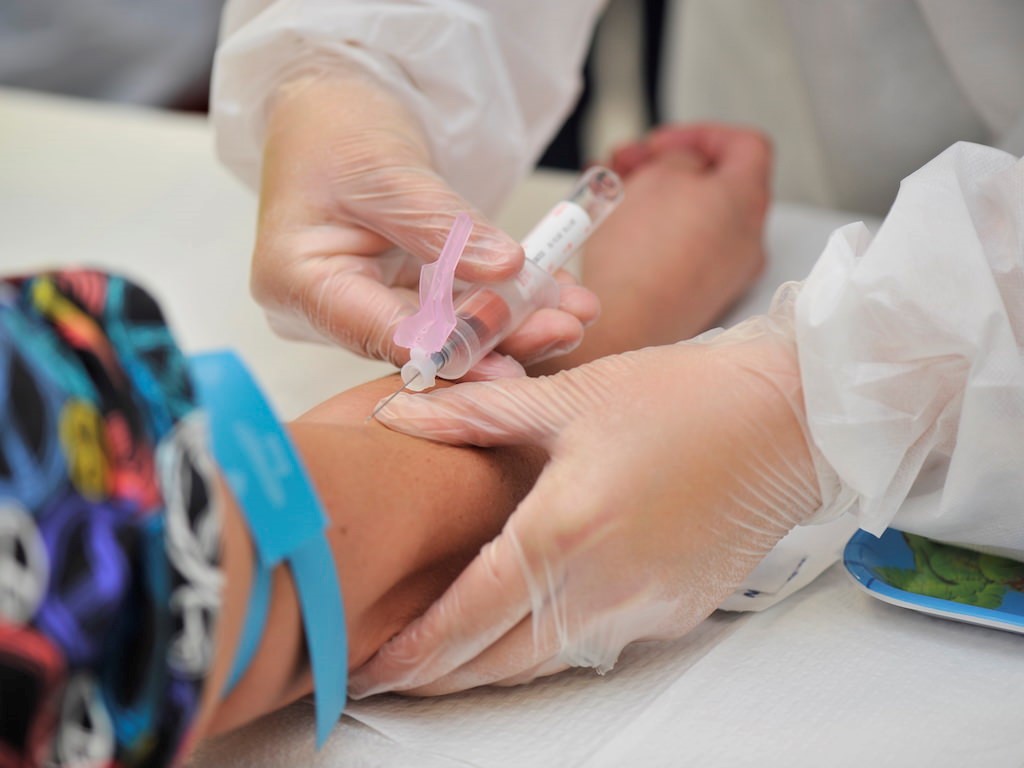
Before unlocking the opportunities in this field, it’s crucial to understand what phlebotomy entails. Phlebotomy is the practice of drawing blood from patients for various medical purposes, including diagnostics, donations, and transfusions. Phlebotomists are trained professionals responsible for ensuring patient safety while efficiently obtaining blood samples.
Why Choose a Career in Phlebotomy?
- High Demand: As healthcare services expand, the demand for skilled phlebotomists is on the rise.
- rapid Entry: Many phlebotomy programs last only a few months, providing a fast track to employment.
- Job Stability: Phlebotomists enjoy excellent job security within the ever-growing healthcare sector.
- Helping Others: This role allows you to have a direct impact on patient care and health outcomes.
Educational Pathways to Become a Phlebotomist
To thrive in a phlebotomy career, you typically need to complete a phlebotomy training program and obtain certification. Here’s a breakdown of the necessary steps:
| Steps to Become a Phlebotomist | Description |
|---|---|
| 1.Obtain a high School Diploma | A high school diploma or equivalent is essential before enrolling in a phlebotomy program. |
| 2. Enroll in a Phlebotomy Training Program | Choose an accredited program that offers both theoretical and practical components. |
| 3. Gain Hands-on Experience | Internships or externships provide invaluable real-world experience. |
| 4. Get Certified | Certification from a recognized body enhances employability and professionalism. |
| 5. Apply for Jobs | Start applying for positions in hospitals, clinics, and laboratories. |
Essential skills for Aspiring Phlebotomists
Succeeding as a phlebotomist goes beyond technical knowledge. The following skills are essential:
- Attention to Detail: Ensure accurate blood sample collection and labeling.
- Communication Skills: Interact compassionately with patients to ease their nerves.
- Technical Skills: Proficiency with medical equipment and blood collection techniques.
- Time Management: Efficiently manage patient throughput while ensuring quality care.
- Problem-Solving: Quickly address challenges during blood collection procedures.
Salary Expectations and Job Outlook
The salary of a phlebotomist varies by location, experience, and working environment. According to data from the U.S. Bureau of Labor Statistics:
| Experience Level | Average Annual Salary |
|---|---|
| Entry-Level | $30,000 – $35,000 |
| mid-career | $35,000 – $45,000 |
| Experienced | $45,000 – $55,000+ |
The job outlook for phlebotomists remains strong, with a projected growth rate of 23% through 2031, significantly faster than the average for all occupations.The increased number of patients needing medical care drives this growth.
Benefits of a Career in Phlebotomy
Choosing a career in phlebotomy comes with numerous benefits, including:
- Diverse Employment Opportunities: Work in hospitals, blood donation centers, laboratories, and clinics.
- Flexible Hours: Many facilities offer full-time, part-time, and shift options.
- Professional Growth: Opportunities for advanced roles in healthcare as you gain experience.
First-Hand Experience: A Phlebotomist’s Journey
Emily Johnson, a certified phlebotomist with over five years of experience, shares her insights:
“The first time I drew blood, I was incredibly nervous. But with the support of my instructors and the kind patients,I quickly gained confidence. Each day presents new challenges, and the gratitude I receive from patients makes my work exceptionally rewarding.” - Emily Johnson
Practical tips for Aspiring Phlebotomists
If you are considering a career in phlebotomy, here are some practical tips to help you succeed:
- Network: Attend healthcare events and connect with graduated phlebotomists.
- Stay Updated: keep abreast of new techniques and technological advancements in blood collection.
- Practice: Gain as much hands-on experience as possible during your training.
Conclusion
a career in phlebotomy offers exciting opportunities for those looking to enter the healthcare field swiftly. With important demand, a favorable job outlook, and the chance to make a difference in people’s lives, phlebotomy is worth considering. Equip yourself with the right skills and education, and take the first steps toward a fulfilling career in phlebotomy.