Unlocking Opportunities: Your guide to Hospital Phlebotomy Jobs in 2023
As the healthcare landscape continues to evolve, the demand for skilled phlebotomists has skyrocketed. If you are considering a career in hospital phlebotomy in 2023, you’ve landed on the right page. This comprehensive guide will walk you through the essentials of hospital phlebotomy jobs, their benefits, practical tips to secure a position, and what you can expect in this rewarding role.
what is Phlebotomy?
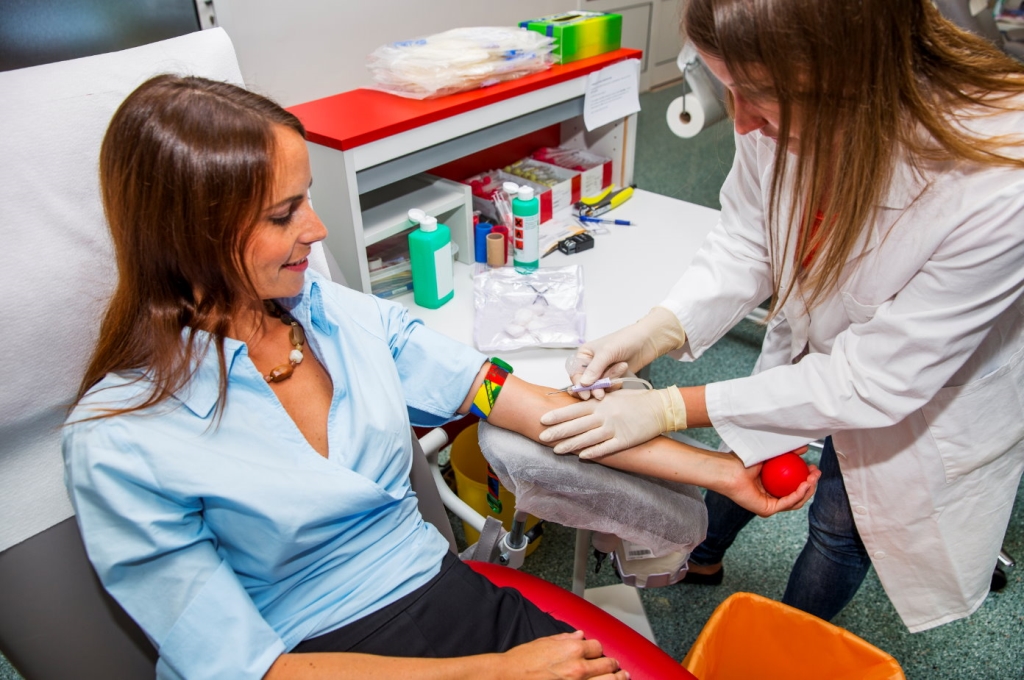
Phlebotomy is the practice of drawing blood from patients for various medical purposes, be it for tests, transfusions, donations, or research. Professionals in this field,known as phlebotomists,play a vital role in patient care by ensuring the proper collection and handling of blood specimens.
The Growing Demand for Phlebotomists in 2023
The Bureau of Labor statistics (BLS) predicts a 22% growth in phlebotomy jobs from 2020 to 2030, which is much faster than the average for all occupations. This surge is driven by:
- Increased healthcare needs due to an aging population
- Expansion of lab testing services
- Rise in outpatient care facilities
Types of Hospital Phlebotomy jobs
In hospitals, phlebotomy jobs can vary widely depending on the specific role and department. Here are some key positions:
- Inpatient Phlebotomist: Collects blood from hospitalized patients.
- Outpatient Phlebotomist: Works in clinics, performing blood draws on patients not admitted to the hospital.
- mobile Phlebotomist: Travels to patients’ homes or workplaces for blood collection.
- Laboratory Assistant: May perform phlebotomy as well as additional tasks in the lab.
Benefits of Working as a Phlebotomist
choosing a career in phlebotomy offers numerous benefits, including:
- Job Security: High demand ensures a steady stream of job opportunities.
- Flexible Hours: Many positions offer part-time or flexible scheduling options.
- career Advancement: Opportunities to specialize in areas such as blood banking or laboratory management.
- impactful Work: Playing a crucial role in patient care and diagnostics.
Essential Skills and Qualifications
To excel in hospital phlebotomy jobs, candidates should possess the following skills and qualifications:
- Technical Skills: Proficiency in blood collection techniques and equipment.
- Attention to Detail: Accuracy in labeling and processing samples is critical.
- Communication Skills: Ability to comfort and explain procedures to anxious patients.
- Certifications: Most employers prefer candidates with certification from recognized organizations like the American Society for Clinical Pathology (ASCP).
How to Secure a Phlebotomy Job in a Hospital
1. Obtain Necessary Education and Training
While a high school diploma is the minimum requirement, most phlebotomy training programs offer advanced training, which can enhance your employability. Consider enrolling in a certification course that covers essential skills and knowledge.
2. Gain Hands-On Experience
Many training programs include an externship or clinical practice component. This is crucial for gaining firsthand experience in a hospital setting, and networking with healthcare professionals during this stage can prove invaluable.
3. network with Healthcare Professionals
Attend job fairs, join professional organizations, and connect with phlebotomists and hiring managers on platforms like LinkedIn. building relationships in the healthcare community can lead to job opportunities and mentorship.
4. Prepare a Strong resume and Cover Letter
Your resume should highlight relevant skills, training, and any practical experience you’ve gained.Customize your cover letter for each application to showcase your passion for phlebotomy and your commitment to patient care.
5. Be Prepared for Interviews
During interviews, be ready to answer questions regarding your technical skills and interpersonal communication. Additionally, you might be asked situational questions about handling difficult patients or emergencies.
Challenges in Hospital Phlebotomy Jobs
Like any other career, phlebotomy does have its challenges:
- Dealing with Anxious Patients: Phlebotomists often encounter patients who are scared of needles, requiring patience and excellent communication skills.
- Bodily Fluids: Exposure to blood and other bodily fluids is a part of the job,necessitating strict adherence to safety protocols.
- Maintaining Accuracy: A small error can have significant consequences; thus,attention to detail is paramount.
Case studies: Success Stories in Phlebotomy
| Name | Background | Current Role | Impact |
|---|---|---|---|
| Emily Johnson | New grad from phlebotomy program | Outpatient Phlebotomist | Providing essential care to local community |
| Mark Smith | 3 years experience in a lab | Mobile Phlebotomist | improved patient satisfaction with home visits |
First-Hand Experience: A Day in the Life of a Phlebotomist
A typical day for a hospital phlebotomist may include the following activities:
- Setting up equipment for blood collection
- Checking in patients and explaining the procedures
- Drawing blood while ensuring comfort and care
- Labeling and documenting samples accurately
- Disposing of materials following safety guidelines
Looking Ahead: The Future of Phlebotomy Careers
The future of phlebotomy jobs appears bright, with advancements in technology likely to impact the field. Automation may streamline blood collection processes, but the need for skilled phlebotomists will remain essential. As the industry continues to grow and evolve,staying updated with the latest techniques and technologies will be a valuable asset.
Conclusion
pursuing a career in hospital phlebotomy in 2023 presents numerous opportunities for personal and professional growth. With the proper education,hands-on experience,and networking,you can unlock a fulfilling career while making a difference in people’s lives.