Unlocking Opportunities: A Comprehensive Guide to Becoming a Phlebotomy Lab Technician
Are you looking for an exciting and rewarding career in healthcare? Becoming a phlebotomy lab technician may be the perfect path for you. This article serves as a comprehensive guide to help you unlock opportunities in this vital field. From understanding the role and responsibilities to exploring the various educational paths and certifications, we will cover everything you need to know to kickstart your career as a phlebotomist.
What is Phlebotomy?
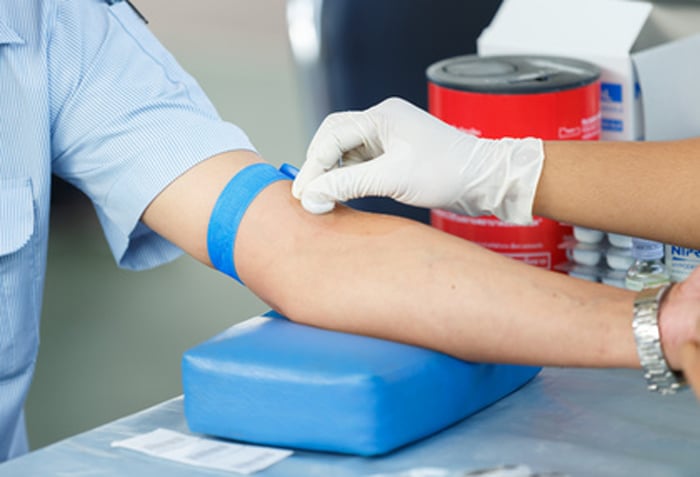
Phlebotomy is a specialized process that involves drawing blood from patients for various medical purposes, such as testing, donation, or therapeutic reasons. Phlebotomy lab technicians play a crucial role in ensuring the accuracy of these tests, which can lead to critical diagnoses and treatment plans.
Why Choose a Career as a Phlebotomy Lab Technician?
The demand for phlebotomy lab technicians is consistently growing. Here are some benefits of pursuing this career:
- High Demand: With an aging population and an increase in chronic diseases, the need for skilled phlebotomists is on the rise.
- Job Stability: Phlebotomy is a stable career option with opportunities for growth.
- Flexible Work Environment: Phlebotomists can work in various settings, including hospitals, clinics, and laboratories.
- Short Training Period: Compared to many other medical professions, becoming a phlebotomist requires less time in education and training.
Steps to Becoming a Phlebotomy Lab Technician
1. Research the Role
Understand what a phlebotomy lab technician does. Responsibilities often include:
- Drawing blood from patients.
- Ensuring patient comfort.
- Labeling and processing blood samples.
- Maintaining lab equipment and supplies.
2. Acquire a High School Diploma or GED
Most phlebotomy programs require a high school diploma or equivalent. Focus on courses in biology, chemistry, and health sciences to build a foundational knowledge.
3. Enroll in a Phlebotomy Training Program
Look for accredited training programs that offer a comprehensive curriculum. Consider factors like:
- Cost and duration of the program.
- Modes of learning (in-person or online).
- Reputation and reviews of the institution.
| Phlebotomy Training Program Options | Duration | Typical Cost |
|---|---|---|
| Community College Certificate | 6-12 months | $1,000 - $5,000 |
| Vocational School Program | 4-8 months | $800 – $3,000 |
| Online Certification Course | Varies | $300 – $1,500 |
4. Obtain Certification
Although not always required, certification can enhance your job prospects. Organizations such as:
- American Society for Clinical Pathology (ASCP)
- National Phlebotomy Association (NPA)
- American Medical Technologists (AMT)
offer certification exams that can validate your skills and knowledge.
5. Gain Practical Experience
Many training programs incorporate internships or externships, providing valuable hands-on experience in a clinical setting. Take advantage of these opportunities to build your confidence and skills.
6. Apply for Jobs
Start your job search! Tips for a successful application include:
- Creating a strong resume highlighting your skills and training.
- Networking with professionals in the field.
- Preparing for interviews by practicing common questions.
Practical Tips for Success in Phlebotomy
- Build Strong Communication Skills: Engage with patients compassionately and effectively to ease their anxiety.
- Stay Organized: Keep track of various samples and ensure accuracy in labeling and processing.
- Continuously Educate Yourself: Stay updated with the latest techniques and practices in phlebotomy.
First-Hand Experiences: What Phlebotomy Lab Technicians Say
Many phlebotomists describe their job as fulfilling and integral to patient care. One phlebotomy technician shared:
“Being able to help patients at their most vulnerable moments is incredibly rewarding. I love knowing I play a part in their healthcare journey.” – Jane D., Phlebotomist with 5 years of experience.
Case Studies of Successful Phlebotomists
Consider these inspiring case studies:
- Mark S.: Transitioned from a retail job to phlebotomy and now manages a team in a busy hospital lab.
- Laura K.: Started as a phlebotomy technician and advanced her career by pursuing a degree in clinical lab science.
Conclusion
Becoming a phlebotomy lab technician offers numerous opportunities for those passionate about helping others in the healthcare industry. With relatively short training, you can embark on a fulfilling career that plays a crucial role in patient diagnosis and treatment. Whether you are just starting your research or ready to enroll in a program, we hope this comprehensive guide has provided you with valuable insights to assist you in your journey.
Now is the time to unlock your potential and explore the rewarding field of phlebotomy!