Unlocking Opportunities: A Comprehensive Guide to a Rewarding Phlebotomy Technician Career
Phlebotomy technicians play an essential role in the healthcare sector, serving as the bridge between patients and the intricate world of medical diagnostics. If you’re considering a career in phlebotomy, understanding the responsibilities, benefits, training, and opportunities available is crucial. In this guide,we will delve into these aspects to help you unlock the rewarding possibilities within the phlebotomy profession.
What is a Phlebotomy technician?
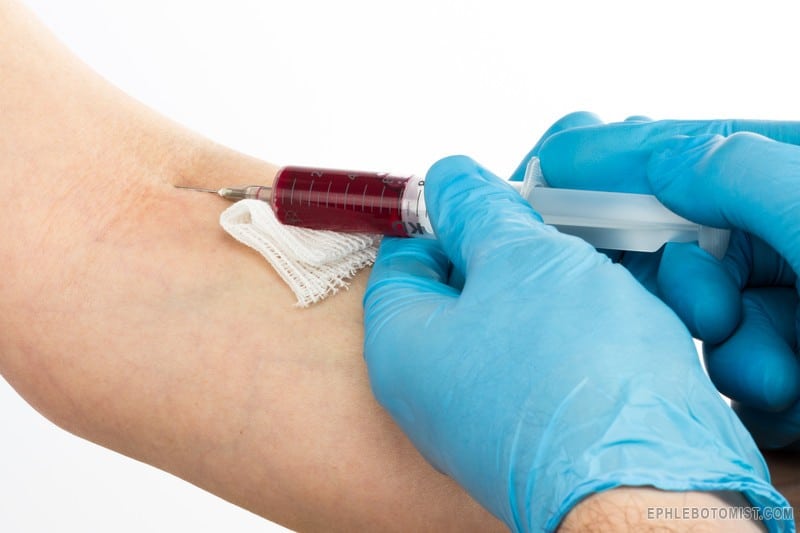
A phlebotomy technician is a trained healthcare professional who specializes in the collection of blood samples from patients. They work in various settings, including hospitals, clinics, and laboratories. Their primary responsibilities include:
- Collecting blood through venipuncture or capillary methods.
- Preparing blood specimens for laboratory testing.
- Maintaining sterile and safe environments.
- Documenting patient data and test requisitions.
Educational Requirements and Training
To become a prosperous phlebotomy technician, certain educational and training prerequisites must be met. Here’s a breakdown:
1. High School diploma or GED
Most phlebotomy training programs require at least a high school diploma or equivalent. Subjects such as biology, anatomy, and chemistry can be favorable.
2. Phlebotomy Training Programs
Formal training is crucial. Phlebotomy programs are typically offered at community colleges, vocational schools, and online. Courses generally last from a few weeks to several months and encompass:
- Theory courses on anatomy, physiology, and venipuncture techniques.
- Hands-on clinical training and practice.
3. Certification
While certification is not mandatory in all states, obtaining credentials from recognized organizations like the American Society for Clinical Pathology (ASCP) or the National Healthcareer Association (NHA) can enhance job prospects.
The Benefits of a Career in Phlebotomy
Embarking on a phlebotomy career comes with numerous benefits:
- Job Stability: The demand for healthcare professionals continues to rise, ensuring ample job opportunities.
- Career Advancement: With additional training, phlebotomists can further their careers into areas such as laboratory management or nursing.
- Interpersonal Interaction: Phlebotomy technicians work closely with patients, offering help and support during the testing process.
- Flexible Hours: Many positions offer part-time or shift work, allowing for a better work-life balance.
Practical Tips for Aspiring Phlebotomists
To excel in the phlebotomy field,consider these practical tips:
- Master Your Skills: Regular practice is essential. Participate in workshops to improve your techniques.
- Enhance Interaction: Strong communication is key in dealing with patients who might potentially be anxious about blood draws.
- Stay updated: Healthcare regulations and technologies evolve, so continuing education is vital.
Career Paths and Opportunities
A phlebotomy technician can explore various career paths. Some job settings include:
| Job Setting | Description | Potential Salary |
|---|---|---|
| Hospitals | Provide services in both inpatient and outpatient settings. | $36,000 – $55,000 |
| Laboratories | Focus on specimen collection and processing. | $35,000 – $54,000 |
| Blood Donation Centers | Specialized in collecting blood donations. | $38,000 – $56,000 |
| Clinics | Perform outpatient blood draws and testing. | $34,000 – $52,000 |
Real-Life Success Stories
To illustrate the impact of a phlebotomy career, here are a few inspiring stories:
Case Study 1: Sarah, a Rising Phlebotomist
Sarah completed her phlebotomy training at a local community college. Initially uncertain about her career choice,she quickly found a passion for patient interaction. Within two years, she moved from a technician position to a supervisory role in her department.
Case Study 2: Mark’s Journey to certification
Mark decided to switch careers after working in retail. He enrolled in a phlebotomy program, obtained his certification, and now works at a blood donation center, finding deep satisfaction in helping others contribute to their community’s health.
Conclusion
A career as a phlebotomy technician opens doors to a fulfilling and dynamic role in the healthcare field.With a solid foundation of education and practical skills, along with networking and certification, you can build a successful career while making a real difference in patients’ lives. If you’re ready to embark on this journey, the opportunities are plentiful and rewarding. So take the first step today and unlock the potential of a phlebotomy technician career!