Unlocking Careers in Healthcare: The Ultimate Guide to Medical Assistants and Phlebotomy Skills
Entering the healthcare industry offers a pathway to a stable and fulfilling career,especially for those interested in patient care and medical procedures. Among the many roles available, becoming a medical assistant or developing phlebotomy skills can open doors to numerous opportunities. This comprehensive guide will walk you through essential data about these professions, the benefits they offer, practical tips for success, and inspiring case studies to get you motivated on your healthcare career journey.
Why Choose a Career in Healthcare?
Healthcare careers are known for their stability, growth potential, and the possibility to make a real difference in people’s lives. The demand for healthcare professionals continues to increase due to an aging population, advancements in medical technology, and expanding access to healthcare services. Roles like medical assistants and phlebotomists are especially attractive because they require less lengthy education than other medical professions but still offer meaningful work and career advancement.
Understanding the Role of a Medical Assistant
What Does a Medical Assistant Do?
Medical assistants are vital members of the healthcare team, performing both clinical and administrative tasks to support physicians, nurses, and other healthcare providers. Key responsibilities include:
- Taking patient histories and vital signs
- Assisting with patient examinations
- Collecting and preparing laboratory specimens
- Scheduling appointments and managing patient records
- Administrative duties like billing and coding
Skills and Qualifications Needed
To thrive as a medical assistant, you’ll need a combination of technical skills and soft skills, including:
- Strong communication and interpersonal skills
- Knowledge of medical terminology and office procedures
- Ability to handle medical equipment and perform basic clinical procedures
- Attention to detail and organization skills
- Certification, such as Certified Medical Assistant (CMA)
Educational Pathways
While some on-the-job training is absolutely possible, formal education enhances job prospects. Certificate programs typically take less than a year, and some community colleges offer diploma or associate degree options. Certification through accredited bodies, like the American Association of Medical Assistants (AAMA), can further validate your skills and improve employability.
Mastering Phlebotomy Skills
What is Phlebotomy?
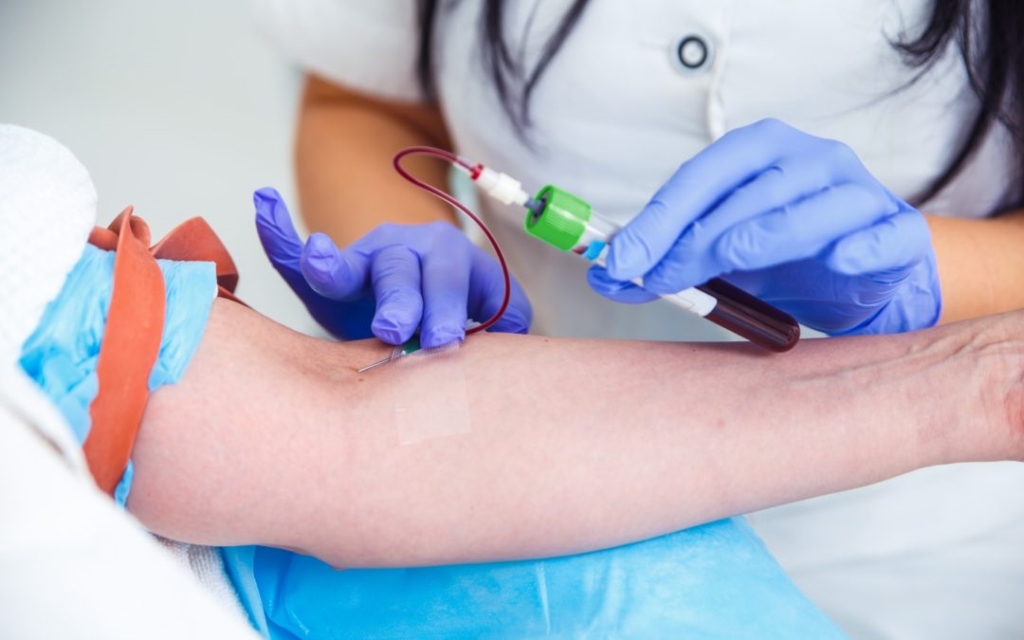
Phlebotomy involves drawing blood from patients for laboratory testing, blood donations, or research. Skilled phlebotomists are in high demand across hospitals, clinics, and diagnostic labs.
Core Responsibilities of a Phlebotomist
- Drawing blood samples safely and efficiently
- Ensuring patient comfort and safety during procedures
- -labeling and tracking specimens properly
- Maintaining a clean and sterile environment
- Managing equipment and disposal of sharps
Skills and Certification
Essential skills for phlebotomists include good hand-eye coordination, patience, and excellent interpersonal skills. Certification programs, such as the National Certified Phlebotomy Technician (NCPT), boost credibility and job opportunities. Most programs require a brief training period and demonstrated proficiency in blood collection techniques.
Combining Medical Assisting and Phlebotomy for a Competitive edge
Many healthcare professionals opt to combine these skills to enhance their employability and versatility. Being proficient in both fields allows for greater versatility in various healthcare settings and can lead to higher salary potential.
Practical Tips for Launching Your Healthcare Career
- Research local programs: Find reputable training programs that offer certification in medical assisting and phlebotomy.
- Gain hands-on experience: Internships or externships provide critical practical skills and networking opportunities.
- Stay updated: The healthcare industry evolves rapidly-staying current with new procedures and technology is vital.
- Develop soft skills: Empathy,communication,and professionalism make a critically important difference in patient care and workplace success.
Benefits of a Healthcare Career in Medical Assisting and Phlebotomy
| Benefit | Description |
|---|---|
| High Demand | Growing need for medical assistants and phlebotomists ensures job stability. |
| Flexibility | Many roles offer part-time, full-time, and shift-based work options. |
| Fast Entry | Rapid training programs allow you to start working in less than a year. |
| Career Advancement | Opportunity to specialize further or pursue nursing and other healthcare roles. |
Case Studies: Success Stories in Healthcare
Julia’s Journey from Trainee to certified Medical Assistant
Julia enrolled in a six-month medical assistant certificate program, completing her clinical externship at a busy clinic.Her dedication and compassion earned her a full-time position, and she recently obtained her CMA certification.Julia now manages patient check-ins and performs routine lab procedures, enjoying her impactful role in healthcare.
Mike’s Path to Becoming a Certified Phlebotomist
Mike completed a 2-month phlebotomy training program, passing the NCPT exam.He secured a position at a regional hospital, where he specializes in pediatric blood draws. His precise technique and calming demeanor help reduce patient anxiety, making him an invaluable team member.
first-Hand Experience: Tips from Healthcare Professionals
“Practicing on friends or family under supervision can boost your confidence in blood collection. Always prioritize patient safety and comfort, and never hesitate to ask for help when needed.” – Jane, Certified Phlebotomist
Conclusion
Embarking on a career in healthcare as a medical assistant or phlebotomist is an excellent choice for those looking for a fast, fulfilling, and stable profession. With the right training, certification, and dedication, you can unlock exciting opportunities to serve your community and grow professionally. Remember, continuous learning and compassionate care are the keys to success in this rewarding industry. Take the first step today and unlock your potential in healthcare!