Unlock Your Future: The Essential Guide to Phlebotomy Degree Programs for Aspiring Healthcare Professionals
The healthcare industry is continually evolving, and phlebotomy is a vital component in patient care and diagnostics. As an aspiring healthcare professional, understanding the nuances of phlebotomy degree programs can pave the way for a rewarding career. This comprehensive guide will explore the ins and outs of phlebotomy training, its benefits, and practical tips for success. Let’s get started on this exciting journey!
What is Phlebotomy?
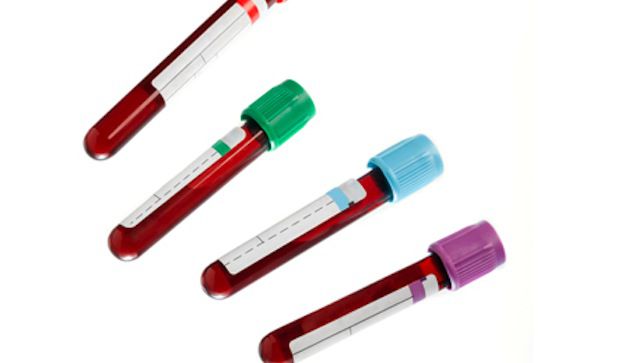
Phlebotomy is the practice of drawing blood from patients for medical testing, transfusions, donations, or research. Phlebotomists play a crucial role in healthcare settings, including hospitals, clinics, and laboratories. With the rise in healthcare services and an increasing aging population, the demand for skilled phlebotomists continues to grow.
Why Pursue a Phlebotomy Degree?
Pursuing a phlebotomy degree offers numerous benefits, including:
- High Demand: The U.S. Bureau of Labor Statistics projects a 22% growth in employment for phlebotomists from 2020 to 2030.
- Short Training Period: Most programs can be completed in less than a year, allowing you to enter the workforce quickly.
- Flexibility: Many phlebotomists work part-time, offering opportunities for flexible scheduling.
- Foundation for Advancement: A phlebotomy certificate can serve as a stepping stone to other healthcare careers.
Types of Phlebotomy Degree Programs
Phlebotomy degree programs vary in length and focus. Here are the primary types you can explore:
| Program Type | Duration | Certificate Awarded |
|---|---|---|
| Certificate Programs | 4–12 months | Phlebotomy Certificate |
| Associate Degree Programs | 2 years | Associate of Applied Science |
| Online Programs | Self-paced | Certification upon completion |
Admission Requirements
Each phlebotomy program may have specific admission requirements, but common prerequisites include:
- A high school diploma or GED.
- Completion of required prerequisite courses (e.g., biology, anatomy).
- Background check and drug screening.
What to Expect in a Phlebotomy Program
Phlebotomy training will cover both theoretical and practical aspects of the profession. Here’s what you can expect:
- Classroom Instruction: Topics include human anatomy, blood collection techniques, safety protocols, and patient care.
- Hands-On Training: You will practice blood draws on real patients or simulated arms during clinical rotations.
- Certification Preparation: Many programs offer exam prep for certification bodies like the National Phlebotomy Association (NPA) or the American Society for Clinical Pathology (ASCP).
Certification and Licensing
After completing your program, obtaining certification can greatly enhance your job prospects. Here’s how to get certified:
- Select a certifying organization (e.g., NPA, ASCP).
- Meet the educational and practical experience requirements.
- Pass the certification exam.
Case Studies: Success Stories in Phlebotomy
Many individuals have transformed their lives through phlebotomy. Here are a couple of inspiring stories:
Maria’s Journey
Maria was a single mother struggling to make ends meet. Upon enrolling in a local phlebotomy program, she completed her training within eight months. Maria now works full-time at a city hospital and enjoys a steady income, allowing her to provide for her family while pursuing further studies in nursing.
John’s Transition
John spent years in retail but wanted a more fulfilling career. After completing an online phlebotomy certification program, John landed a job at a blood donation center. He finds fulfillment in helping others and plans to advance his career with additional certifications.
Practical Tips for Aspiring Phlebotomists
To succeed in phlebotomy, consider the following tips:
- Practice Good Communication: Interacting with patients is crucial; being calm can ease their anxiety.
- Master Your Techniques: Regular practice will improve your skills and boost your confidence.
- Continuous Education: Stay updated with the latest techniques and best practices through workshops and courses.
Conclusion
Pursuing a phlebotomy degree can be a life-changing decision that opens doors to a rewarding healthcare career. With high demand for trained phlebotomists, a relatively short training period, and opportunities for professional advancement, now is the perfect time to embark on this path. Whether you are just starting your journey or looking to advance your current healthcare career, phlebotomy offers a solid foundation for success. Are you ready to unlock your future in healthcare?