Unlock Your Future: Exploring teh Lucrative Path of Phlebotomist jobs
Are you looking for a healthcare career that is both rewarding and in high demand? The profession of phlebotomy might potentially be your answer. With a growing need for skilled phlebotomists, this field offers numerous opportunities for advancement and job security. In this article, we will explore the exciting world of phlebotomy, including the roles and responsibilities, education requirements, salary potential, and the benefits of pursuing a phlebotomist career.
What is Phlebotomy?
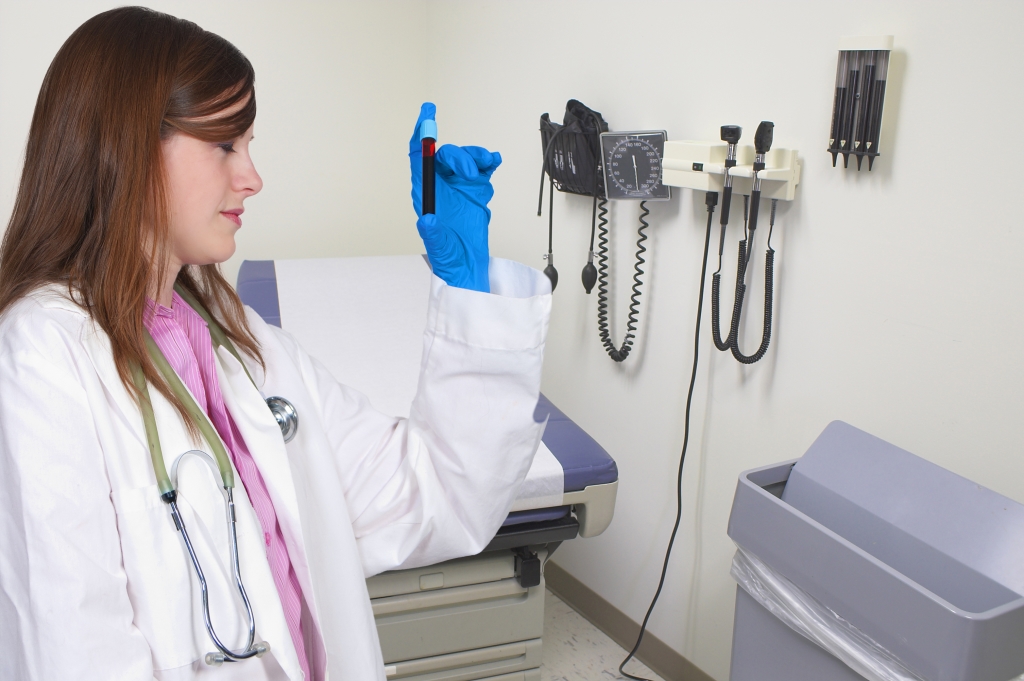
Phlebotomy is the practice of drawing blood for medical tests, transfusions, donations, or research. Phlebotomists play a vital role in the healthcare system, working in hospitals, laboratories, blood donation centers, and clinics. They are trained to ensure blood samples are collected safely and efficiently while providing a positive experience for patients.
Why Choose a Career as a Phlebotomist?
A career in phlebotomy is not only rewarding but also offers several key benefits:
- High Demand: There is a constant demand for qualified phlebotomists in the healthcare industry.
- Fast Entry: Many phlebotomy programs can be completed in a few months, making it a fast track to a healthcare career.
- Job Variety: Phlebotomists can work in various settings, from hospitals to research labs and private practices.
- Opportunities for advancement: With experience, phlebotomists can advance to supervisory roles or specialize in areas like donor phlebotomy or lab technology.
phlebotomist Job Responsibilities
The primary responsibilities of a phlebotomist include:
- Collecting blood samples from patients, ensuring high standards of hygiene and patient comfort.
- Labeling and processing samples for testing and analysis.
- Maintaining equipment and ensuring compliance with safety regulations.
- Communicating with patients about the procedure and addressing any concerns.
- Maintaining accurate records of blood collections and patient details.
Education and Certification Requirements
Becoming a phlebotomist typically requires the following educational steps:
- finish a high school diploma or GED.
- Enroll in a phlebotomy training program, which usually takes 4-8 months.
- Complete hands-on practice through clinical training.
- Obtain certification (optional but recommended) from recognized organizations such as the american Society for Clinical Pathology (ASCP) or the National Phlebotomy Association (NPA).
Salary Potential and Job Outlook
The salary of a phlebotomist can vary based on location, experience, and the type of facility. Here’s a quick overview:
| State | Average Annual Salary | Job Growth Rate |
|---|---|---|
| California | $44,000 | 9% |
| Texas | $39,000 | 8% |
| Florida | $36,000 | 7% |
| New York | $46,000 | 10% |
The overall job outlook for phlebotomists is positive, with an expected growth rate of around 22% from 2020 to 2030, considerably faster than the average for all occupations.
Case Studies: Success Stories in Phlebotomy
Many individuals have found satisfying careers as phlebotomists. Let’s look at two short success stories:
Case Study 1: Sarah’s Journey
Sarah completed her phlebotomy training in six months and quickly landed a job in a local hospital. With her excellent patient interaction skills, she received positive feedback and was promoted to a lead phlebotomist within a year.
Case Study 2: John’s Transition
John was previously working in retail but wanted a more stable career. After earning his certification in phlebotomy, he found work at a blood donation center. John has since advanced to training new phlebotomists.
Practical Tips for Aspiring Phlebotomists
If you’re considering a career as a phlebotomist, here are some tips to help you succeed:
- Network with professionals in the field to learn about job openings and trends.
- stay updated on best practices and advancements in phlebotomy through continuous education.
- Practice your skills in a compassionate and patient-centered manner.
- Consider obtaining certification to enhance your employability and credibility.
Conclusion
phlebotomy presents a unique and fulfilling path in the healthcare industry, with robust job prospects and an possibility to make a difference in patients’ lives. If you have a keen interest in healthcare and enjoy interacting with people, a career as a phlebotomist might be the perfect fit for you. Unlock your future today by exploring phlebotomy training programs in your area and take the first step toward a rewarding career!