Unlock Your Future: A Comprehensive Guide too Earning Your Phlebotomist Degree
Have you ever considered a career in healthcare but aren’t sure where to start? Becoming a phlebotomist may be the perfect stepping stone. In this comprehensive guide, we’ll walk you through everything you need to know about earning your phlebotomist degree and launching your career in this essential healthcare role.
What is a Phlebotomist?
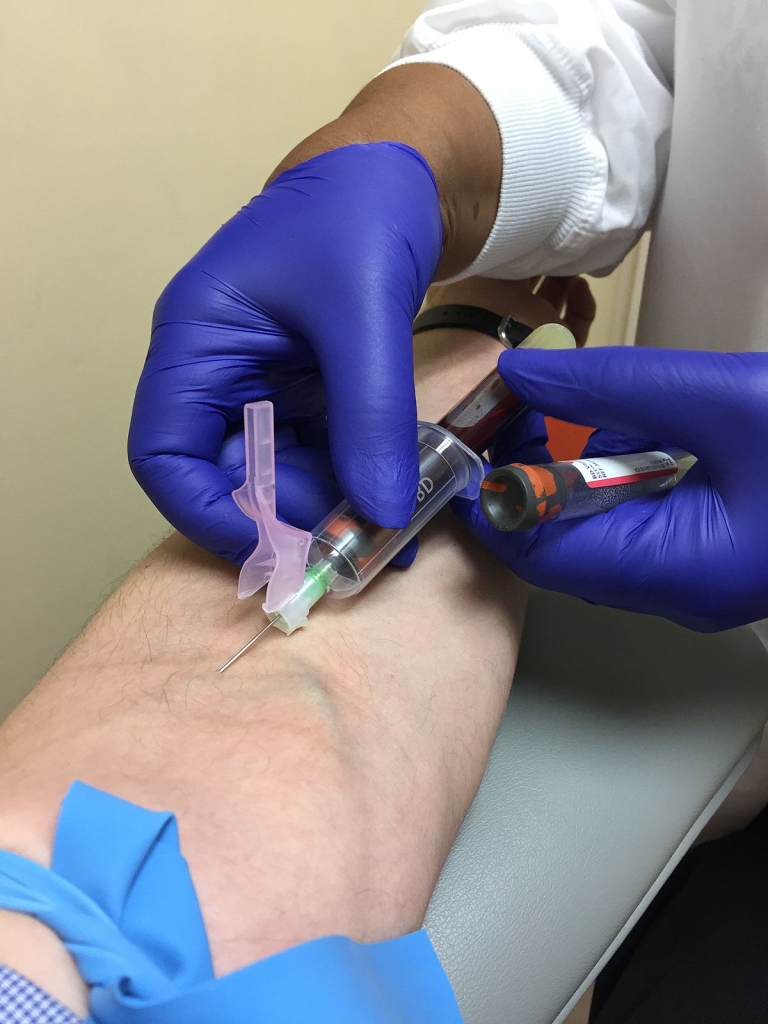
A phlebotomist is a medical professional trained to draw blood from patients for various laboratory tests,blood donations,and transfusions. this role is crucial in the healthcare system, providing vital data for diagnoses and treatments.
Why Pursue a Phlebotomist Degree?
Choosing to earn a phlebotomist degree is a smart career decision for several reasons:
- High Demand: With an aging population and increasing healthcare needs,phlebotomists are in demand.
- Short Training Period: Compared to other healthcare careers, you can complete training in a year or less.
- Variety of Workplaces: Phlebotomists work in hospitals, clinics, blood donation centers, and more.
- Competitive Salary: Phlebotomists can earn between $36,000 and $56,000 annually, depending on location and experience.
How to Earn Your Phlebotomist Degree
Here are the steps to becoming a certified phlebotomist:
1. Understand prerequisites
- High school diploma or GED.
- Basic understanding of biology and healthcare concepts.
2. Choose a Training Program
Look for accredited programs that provide comprehensive training. Consider factors like duration, cost, and curriculum. Here are some types of programs:
| Program type | Duration | Typical Cost |
|---|---|---|
| Certificate Program | 3-6 Months | $1,000 – $3,000 |
| Associate Degree | 1-2 Years | $5,000 – $15,000 |
3. Gain Hands-On Experience
Internships or clinical placements are often part of the program, allowing you to practice drawing blood under supervision. This experience is invaluable for building confidence and skill.
4. Prepare for Certification
Certification is critical for job placement. Common organizations that provide certification include:
- The American Society for Clinical Pathology (ASCP)
- The National Phlebotomy Association (NPA)
- The National Healthcareer Association (NHA)
5. Pass the Certification Exam
Each organization has its exam, usually covering topics such as:
- Venipuncture techniques
- Patient interaction
- Safety and infection control
The Benefits of being a Phlebotomist
Once you’ve earned your phlebotomist degree, you’ll enjoy numerous benefits:
- Flexible Hours: Many phlebotomists work various shifts, enabling a good work-life balance.
- Job Satisfaction: Helping patients and contributing to their health can be incredibly rewarding.
- Opportunities for Advancement: Consider further certifications or specialties, such as becoming a laboratory technician.
Real-Life experiences from phlebotomists
To understand the role better, here are insights from professionals in the field:
“I love being a phlebotomist because I meet new people every day. Being able to help patients, especially those who are scared, makes my job fulfilling.” – Sarah J., Certified phlebotomist
“The hands-on experience I gained during my training was invaluable. it prepared me for real-world challenges that I face daily.” - mike T., Senior Phlebotomist
Challenges in the phlebotomy Field
As with any profession, phlebotomy comes with its own set of challenges:
- Dealing with anxious or uncooperative patients.
- Working under time constraints in busy environments.
- Handling various blood types and understanding the implications for patient care.
Practical Tips for Aspiring Phlebotomists
To set yourself up for success in this field, consider the following tips:
- Practice techniques regularly to build muscle memory.
- Communicate effectively with patients to ease their nerves.
- Stay updated on best practices and new technologies in phlebotomy.
Conclusion
Embarking on the journey to become a phlebotomist can unlock a rewarding future in healthcare. With a relatively short training period, high demand for qualified professionals, and the chance to make a meaningful difference in people’s lives, the phlebotomy career path is both practical and fulfilling. By following the steps outlined in this guide, you’re well on your way to earning your phlebotomist degree and achieving your career dreams. start your journey today, and unlock the door to a bright future!