Unlock Your Future: A Complete Guide to Phlebotomy Certification for Career Success
Are you considering a career in healthcare? If so, phlebotomy might just be your gateway to a fulfilling and stable profession. In this comprehensive guide, we delve into the world of phlebotomy certification, exploring the steps, benefits, and opportunities that await you in this dynamic field.
What is Phlebotomy?
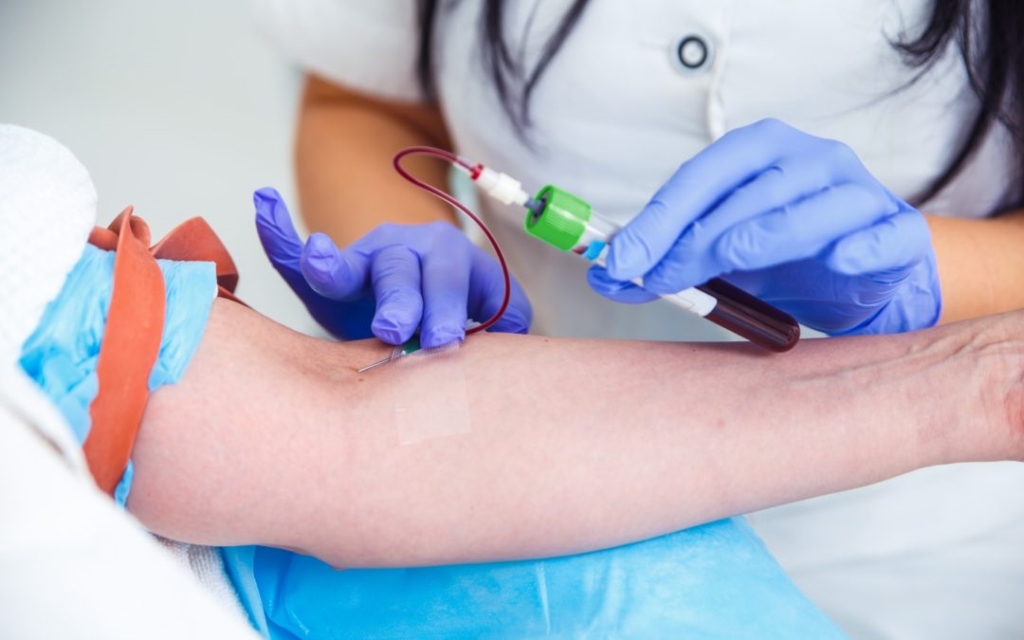
Phlebotomy is the practice of drawing blood from patients for various medical purposes, including testing, transfusions, and donations. As a phlebotomist, you play a critical role in patient care, ensuring that proper procedures are followed and patient comfort is prioritized.
Why Get Certified in Phlebotomy?
Phlebotomy certification offers numerous benefits that can pave the way for a successful career. Here are some key reasons to consider:
- Job Opportunities: The demand for skilled phlebotomists is growing, with many healthcare facilities seeking certified professionals.
- Competitive Salary: Certified phlebotomists can earn a competitive salary, often with benefits and opportunities for advancement.
- Professional Growth: Certification opens doors to further specialization and advanced training in the healthcare sector.
Steps to Obtain Phlebotomy Certification
Below is a step-by-step process to guide you through becoming a certified phlebotomist:
1. Understand the Requirements
Before beginning your journey, it’s essential to know the prerequisites, which typically include:
- Minimum age requirement (usually 18 years)
- High school diploma or equivalent
- Criminal background check
2. Enroll in a Phlebotomy Training Program
Choose an accredited phlebotomy program that offers comprehensive training. Options include community colleges and specialized institutes. Look for programs that combine classroom learning with practical, hands-on experience.
3. Get Hands-on Experience
Most programs require students to complete a number of supervised blood draws to ensure competency. This experience is vital to your training.
4. Pass the Certification Exam
After completing your training, you will need to sit for a certification exam. Some well-recognized certifying bodies include:
| Organization | Certification Offered | Requirements |
|---|---|---|
| American Society for Clinical Pathology (ASCP) | Phlebotomy Technician (PBT) | Completion of accredited training and 30 successful venipunctures. |
| National Phlebotomy Association (NPA) | Certified Phlebotomy Technician (CPT) | Completion of training; pass the NPA certification exam. |
| American Medical Technologists (AMT) | Registered Phlebotomy Technician (RPT) | Completion of training; 50 venipunctures; pass the AMT exam. |
5. Maintain Certification
Most certifications require ongoing education and renewal every 1-3 years. Staying updated on industry standards and practices is crucial.
Practical Tips for Aspiring Phlebotomists
Here are some practical tips to help you succeed in your phlebotomy career:
- Practice Communication: Excellent communication skills can help ease patient anxiety and improve cooperation.
- Master Your Technique: Practice your skills diligently to build confidence in blood collection.
- Network: Join professional organizations to meet industry peers and stay informed about changes in the field.
Real-Life Success Stories
Many successful phlebotomists have shared their experiences about how certification transformed their careers. Here are a couple of highlights:
- Jane Smith: After earning her certification, Jane landed her first job at a local hospital, where she quickly advanced to lead phlebotomist. She loves interacting with patients and contributing to their healthcare journey.
- Tom Johnson: Tom started as a certified phlebotomist and later pursued further education to specialize in vascular access. Today, he trains future phlebotomists and enjoys mentoring others.
Conclusion
Phlebotomy certification is more than just a credential; it’s a stepping stone into a rewarding healthcare career. With a growing demand for trained professionals in this field, obtaining your certification can offer job security, financial rewards, and personal satisfaction. By following the steps outlined in this guide, you can unlock your future and pave the way for career success as a certified phlebotomist.