Unlock Your Future: A Complete Guide to Obtaining Your California State Phlebotomy License
Are you considering a career in healthcare? Do you want to play a crucial role in patient care? If so, pursuing a California State Phlebotomy License could be your stepping stone to a rewarding career. This comprehensive guide will help you navigate the process of obtaining your phlebotomy license, from educational requirements to practical tips for success.
What is a Phlebotomy License?
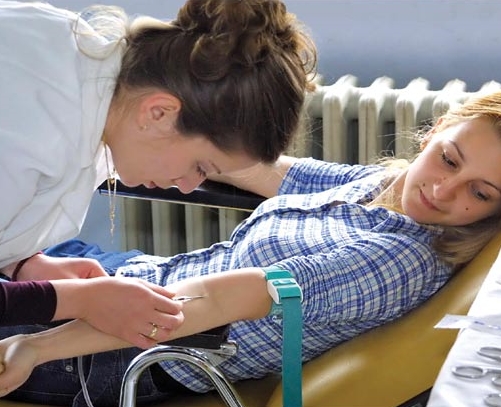
A phlebotomy license certifies that an individual is trained and qualified to perform blood draws and other related procedures. This certification is crucial in California, where specific regulations govern the practice to ensure patient safety and care quality.
Why Obtain a Phlebotomy License in California?
- Lucrative Job Opportunities: California is home to numerous healthcare facilities that require skilled phlebotomists.
- High Demand: The demand for phlebotomy services is expected to grow, leading to secure job prospects.
- Gain Valuable Skills: Training equips you with essential skills in venipuncture, specimen collection, and patient interaction.
- Career Advancement: A phlebotomy license can open doors to other healthcare roles or specializations.
Steps to Obtain Your California State Phlebotomy License
1. Meet the Educational Requirements
To qualify for a phlebotomy license, you must complete a state-approved phlebotomy training program. These programs usually include both classroom instruction and hands-on clinical experience.
2. Complete a Phlebotomy Training Program
Ensure that the program is approved by the California Department of Public Health (CDPH). Here’s what you need to focus on:
- Minimum of 40 hours of theory classes.
- At least 20 venipunctures and 10 capillary sticks under supervision.
3. Apply for the Certification Exam
After completing your training, you can apply for the California Certified Phlebotomist exam through the CDPH. You must submit:
- Proof of completed training program.
- Application fee (typically around $150).
- Verification of clinical experience.
4. Pass the National Certification Exam
Passing an exam from a recognized agency such as the American Society for Clinical Pathology (ASCP) or the National Phlebotomy Association (NPA) is often required. Preparation is key, so consider joining a study group or taking practice exams.
5. Apply for Your License
Once you pass the exam, submit your official certification and application for licensure through the CDPH, including any required documents and fees. Your license will be valid for two years.
Benefits of Having a Phlebotomy License
- Professional Credibility: Certification enhances your resume and showcases your skills to employers.
- Better Salary: Certified phlebotomists typically earn higher wages than their non-certified counterparts.
- Continued Education Opportunities: Licensed professionals often have access to further education and specialization options.
Practical Tips for Success
- Stay Organized: Keep track of your educational materials and exam preparations.
- Network: Connect with professionals in the field to gain insights and job referrals.
- Practice, Practice, Practice: Utilize simulation labs and volunteer opportunities to hone your skills.
- Stay Informed: Regularly check for any new regulations or guidelines from the CDPH.
Case Study: From Trainee to Licensed Phlebotomist
Jessica, a recent college graduate, decided to pursue a career in healthcare by enrolling in a phlebotomy training program in Los Angeles. She successfully completed her coursework and clinical hours, then passed the certification exam on her first attempt. Now, within a year of becoming licensed, she works at a major hospital, earning a competitive salary and enjoying her job immensely.
First-Hand Experience: What to Expect
The journey to becoming a licensed phlebotomist can be both challenging and rewarding. Here’s what you may encounter along the way:
- Hands-on Training: The clinical portion of your education will provide essential real-world experience.
- Patient Interaction: You’ll learn how to communicate effectively with patients, which is crucial in building trust.
- Technical Skills: Mastering different techniques in blood collection can take time; don’t be discouraged.
Conclusion
Obtaining your California State Phlebotomy License is a significant step toward a fulfilling career in healthcare. By following the outlined steps, understanding the benefits, and truly engaging in your training, you can set yourself up for success. As the demand for qualified phlebotomists continues to rise, now is the perfect time to seize the opportunity. Unlock your future today!