Unlock Your Career Potential: Get Certified in Phlebotomy Today!
Are you ready to take your career to the next level? If you’re looking for an exciting and fulfilling path in the healthcare field, becoming a certified phlebotomist could be your answer. In this article, we’ll explore what phlebotomy is, the benefits of certification, practical tips for getting started, and real-life experiences from those who have successfully navigated this rewarding profession.
What is Phlebotomy?
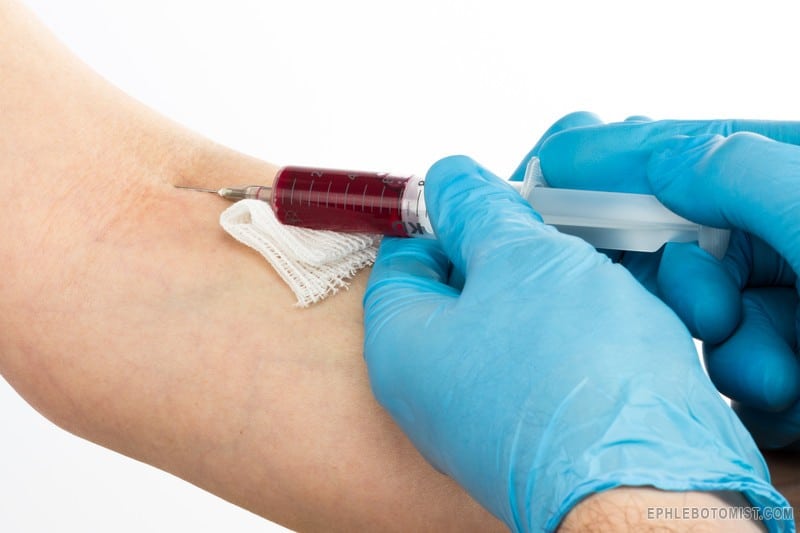
Phlebotomy is the practice of drawing blood from patients for various medical purposes. This vital role is essential for medical testing, blood transfusions, and donations. A certified phlebotomist plays a critical part in the healthcare system, ensuring that blood samples are collected safely and accurately.
Why Get Certified in Phlebotomy?
Getting certified in phlebotomy opens doors to numerous career opportunities in the healthcare sector. Here’s why you should consider pursuing certification:
- Increased Job Opportunities: Certification makes you a more attractive candidate for employers looking for skilled phlebotomists.
- Higher Salary Potential: Certified professionals often earn higher salaries compared to their non-certified peers.
- Professional Recognition: Gaining a certification validates your skills and knowledge, enhancing your professional credibility.
- Career Advancement: Certification can lead to further opportunities, such as supervisory roles in phlebotomy or related fields.
- Job Satisfaction: Engaging with patients and contributing to their healthcare can be extremely fulfilling.
Benefits of Getting Certified in Phlebotomy
Besides the fundamental advantages of employment and salary, certification in phlebotomy offers numerous personal and professional benefits.
- Enhanced Skills: Training programs provide comprehensive education in blood collection, safety protocols, and patient care.
- Networking Opportunities: Engaging in certification programs often leads to building connections with professionals in the field.
- Continuous Learning: Many certification bodies require continuing education, which keeps you updated with the latest practices in phlebotomy.
Types of Phlebotomy Certifications
There are several certification organizations that offer phlebotomy credentials. Here are a few recognized certifications:
| Certification | Organization | Duration |
|---|---|---|
| Certified Phlebotomy Technician (CPT) | National Healthcareer Association (NHA) | Varies (exam-based) |
| Registered Phlebotomy Technician (RPT) | American Medical Technologists (AMT) | Varies (exam-based) |
| Phlebotomy Technician Certification (PTC) | National Center for Competency Testing (NCCT) | Varies (exam-based) |
How to Get Certified in Phlebotomy
Embarking on your certification journey involves several steps:
1. Research Programs
Start by researching accredited training programs in your area. Look for schools that offer hands-on training and preparation for certification exams.
2. Complete a Training Program
Enroll in a phlebotomy training program that covers the necessary theories and practical techniques. Ensure the program includes clinical practice to gain real-world experience.
3. Pass the Certification Exam
Once your training is complete, register for the certification exam relevant to your chosen certification body. Prepare adequately by taking practice tests and studying course materials.
4. Maintain Your Certification
Stay certified by completing any required continuing education, renewing your certification, and adhering to best practices in the field.
Real-Life Experiences
Hearing from professionals adds depth to our understanding of the field. Here are first-hand experiences from certified phlebotomists:
Testimonial: Emily’s Journey to Certification
Emily, a certified phlebotomist, shares, “Getting certified was a game changer for me. The training program provided not just skills, but the confidence to perform in clinical settings. Now, I love interacting with patients and making a difference in their lives every day.”
Testimonial: David’s Career Advancement
David highlights, “After earning my certification, I was promoted to lead phlebotomist in just a year. The knowledge I gained opened doors I never knew existed!”
Practical Tips for Aspiring Phlebotomists
To ensure a successful career in phlebotomy, consider the following tips:
- Practice Communication Skills: Effective communication is essential when working with patients. Practice active listening and empathy.
- Stay Calm Under Pressure: Phlebotomy can be hectic, so develop your ability to maintain composure.
- Keep Learning: Stay informed about new techniques and procedures in the field through workshops and seminars.
- Network: Connect with other health professionals to share experiences and opportunities.
The Future of Phlebotomy
As healthcare continues to evolve, the demand for skilled phlebotomists is expected to rise. Emerging technologies and specialized procedures are creating a dynamic environment for professionals in this field.
Conclusion
Unlocking your potential in the healthcare field can be as simple as getting certified in phlebotomy. With extensive opportunities for career advancement, competitive salaries, and the chance to make a difference in patients’ lives, now is the perfect time to take the plunge. Start your journey towards certification today, and watch your career soar!