Unlock Your Career: Essential Guide to Phlebotomy Technician Certification
Are you looking for a rewarding and in-demand career in the healthcare field? Phlebotomy might be your ticket to success! This essential guide explores phlebotomy technician certification—what it entails, benefits, and how to navigate your pathway towards becoming a certified phlebotomist. Read on to unlock your career potential!
What is Phlebotomy?
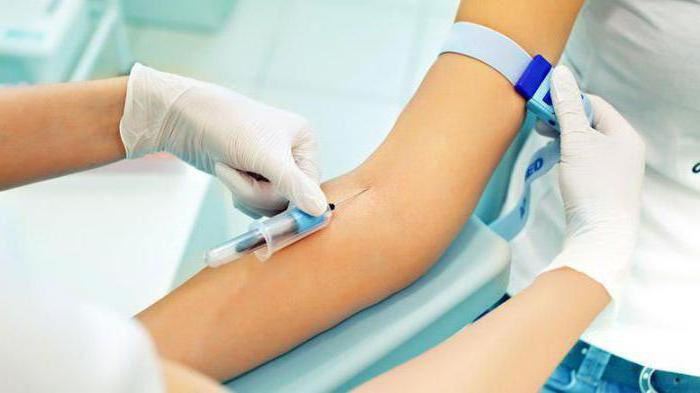
Phlebotomy is the practice of drawing blood from patients for various medical purposes, including testing, transfusions, and donations. A phlebotomy technician is responsible for ensuring that blood samples are collected safely and efficiently, making it a critical role in the healthcare system.
Why Get Certified in Phlebotomy?
Obtaining phlebotomy technician certification can significantly enhance your career prospects. Here are some compelling reasons to consider certification:
- Increased Job Opportunities: Certified phlebotomists are often preferred by employers, giving you a competitive edge in the job market.
- Higher Earning Potential: Certification can lead to higher wages compared to non-certified technicians.
- Professional Recognition: Certification validates your skills and knowledge, enhancing your professional credibility.
- Career Advancement: With certification, you can advance to more specialized roles within the healthcare field.
Steps to Achieve Phlebotomy Technician Certification
The journey to becoming a certified phlebotomist involves several steps. Here’s a streamlined guide to help you navigate through the process:
1. Educational Requirements
The first step towards phlebotomy certification is to complete a high school diploma or GED. Many training programs also require completion of a phlebotomy course, which can be found at vocational schools, community colleges, or online.
2. Enroll in a Phlebotomy Training Program
Choose an accredited phlebotomy training program, which typically includes both theoretical and practical components. Look for programs that offer hands-on training, as this experience is crucial for developing essential skills.
3. Complete Clinical Externship
Many training programs include a clinical externship, where you will gain real-world experience under the supervision of experienced phlebotomists. This is a vital component of your training and often includes the following:
- Drawing blood samples from patients
- Learning patient interaction skills
- Understanding laboratory safety protocols
4. Obtain Certification
Once you have completed your training, you can sit for a certification exam. The most recognized certifying bodies include:
| Certification Body | Exam Details |
|---|---|
| National Phlebotomy Association (NPA) | Cost: Approx. $90. Duration: 2 hours. |
| American Society for Clinical Pathology (ASCP) | Cost: Approx. $135. Duration: 3 hours. |
| National Registry of Clinical Medical Assistants (NRCMA) | Cost: Approx. $95. Duration: 90 minutes. |
5. Keep Your Certification Current
Many certifications require continuing education to maintain your status. Stay updated with the latest phlebotomy practices and techniques through workshops, courses, or webinars.
Benefits of Becoming a Certified Phlebotomist
Beyond job opportunities and increased earning potential, certified phlebotomists enjoy a range of benefits:
- Job Security: The demand for skilled phlebotomists is consistently high, reducing the risk of unemployment.
- Flexible Work Hours: Many phlebotomists work part-time or on flexible schedules, making it suitable for various lifestyles.
- Impactful Work: As a phlebotomist, you play a vital role in patient care, contributing to diagnosis and treatment of health conditions.
Practical Tips for Aspiring Phlebotomists
Here are some practical tips to help you succeed in your phlebotomy career:
- Develop Strong Communication Skills: You’ll need to explain procedures to patients and handle any anxieties they may have.
- Practice Good Organization: Keeping accurate records and managing time efficiently is essential.
- Stay Calm Under Pressure: Phlebotomy can be stressful; practicing relaxation techniques can help.
Firsthand Experience: A Day in the Life of a Phlebotomy Technician
A typical day for phlebotomists involves a variety of tasks, from preparing equipment to drawing blood samples and labeling them for testing. Here’s a snapshot of a day in the life:
“I start my day by prepping my workstation and reviewing the day’s patient schedule. It’s important to make patients comfortable and explain the procedure clearly. Each shift includes interacting with diverse groups, which keeps the job engaging!”
Case Studies: Success Stories of Certified Phlebotomists
Here are two inspiring stories of individuals who unlocked their careers through phlebotomy certification:
1. Emily’s Journey
Emily was initially unsure of her career path but decided to enroll in a phlebotomy program after enjoying a part-time job in a healthcare setting. After completing her certification, she secured a position at a local hospital, where she now helps train new technicians.
2. Mark’s Transition
After working in retail for years, Mark sought a change. He pursued phlebotomy certification and found a fulfilling career in a laboratory setting. His story highlights that it’s never too late to switch careers.
Conclusion
Phlebotomy technician certification is a gateway to a rewarding and stable career in healthcare. With thorough training, certification, and the right mindset, aspiring phlebotomists can look forward to diverse job opportunities, career growth, and the satisfaction of positively impacting patients’ lives. Take the first step today and unlock your career in phlebotomy!