Unlock Your Career: A Step-by-Step Guide to Getting Your Phlebotomy Certification
Are you considering a rewarding career in healthcare? Pursuing a phlebotomy certification can be your gateway into the medical field. This guide walks you through the steps of obtaining your certification, highlighting essential benefits, practical tips, and firsthand experiences to help you succeed in this exciting profession.
What is Phlebotomy?
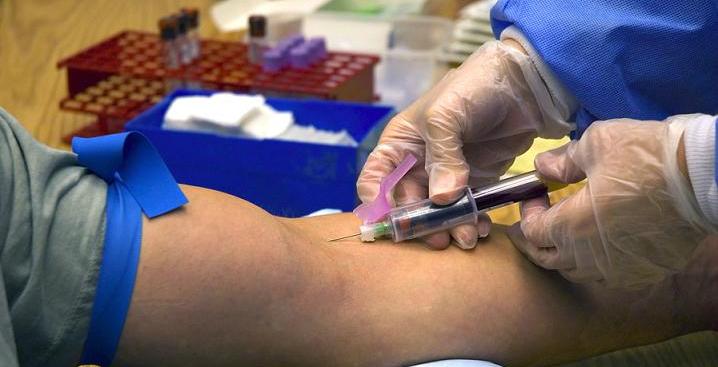
Phlebotomy is the practice of drawing blood for clinical or medical testing, transfusions, research, or blood donations. Phlebotomists play a crucial role in the healthcare system by ensuring that blood samples are collected safely and efficiently, a skill that is vital for accurate diagnosis and treatment.
Why Get Certified?
Obtaining your phlebotomy certification not only raises your professional profile but also opens doors to various job opportunities. Here are some key benefits:
- Career Advancement: Certification often leads to higher wages and better job prospects.
- Increased Job Opportunities: Hospitals and labs prefer certified phlebotomists over non-certified ones.
- Professional Credibility: Certification demonstrates your commitment to the profession.
- Networking Opportunities: Joining professional organizations can enhance your resume and connect you with industry experts.
Step-by-Step Guide to Getting Your Phlebotomy Certification
To embark on your phlebotomy career, follow these steps:
Step 1: Research Certification Requirements
Requirements for phlebotomy certification can vary by state and certifying organization. Here’s what to check:
- Age Minimum (usually 18 years old)
- High School Diploma or Equivalent
- Background Check
Step 2: Complete a Phlebotomy Training Program
Enroll in an accredited training program that provides both classroom education and hands-on experience. These programs cover topics such as:
- Anatomy and Physiology: Understanding human anatomy is crucial for drawing blood effectively.
- Blood Collection Techniques: Learning various methods to ensure safe and efficient blood draws.
- Infection Control: Best practices to prevent contamination and ensure safety.
Step 3: Gain Practical Experience
During your training, you will need to complete a certain number of blood draws under supervision. Focus on:
- Completing a set number of successful blood draws (often 25-100, depending on the program).
- Practicing critical techniques such as venipuncture and skin punctures.
Step 4: Prepare for the Certification Exam
After completing your training, you need to pass a certification exam. To prepare:
- Review study guides and practice exams.
- Join study groups or workshops.
- Consult your training program for exam resources.
Step 5: Take the Certification Exam
Register for the certification exam through a recognized agency, such as:
| Certification Agency | Website |
|---|---|
| American Society for Clinical Pathology (ASCP) | ascp.org |
| National Phlebotomy Association (NPA) | nationalphlebotomyassociation.org |
| American Medical Technologists (AMT) | amt1.com |
Be sure to check application deadlines and exam dates!
Step 6: Maintain Certification
Once you receive your certification, you will need to maintain it through continuing education and possibly recertification exams. Stay connected with professional organizations for updates on requirements.
Practical Tips for Aspiring Phlebotomists
To excel in your phlebotomy career, consider these practical tips:
- Develop Strong Interpersonal Skills: Communicating effectively with patients is vital.
- Stay Organized: Keep accurate records and manage your time well.
- Keep Your Skills Updated: Attend workshops and training to stay current with best practices.
Real-Life Experience
Maria, a certified phlebotomist, shares her journey:
“After completing my training, I was nervous about the certification exam. However, I made a study schedule and practiced as much as possible. When I received my certification, it felt like a huge accomplishment. Now I love my job, interacting with patients and contributing to their health!”
Conclusion
Getting your phlebotomy certification is a smart step towards a fulfilling healthcare career. By following the steps outlined in this guide and continuously investing in your training, you can unlock various opportunities in the medical field. Remember, your commitment to excellence will not only elevate your career but also improve the lives of those you serve. Start your journey today and embrace the rewarding world of phlebotomy!