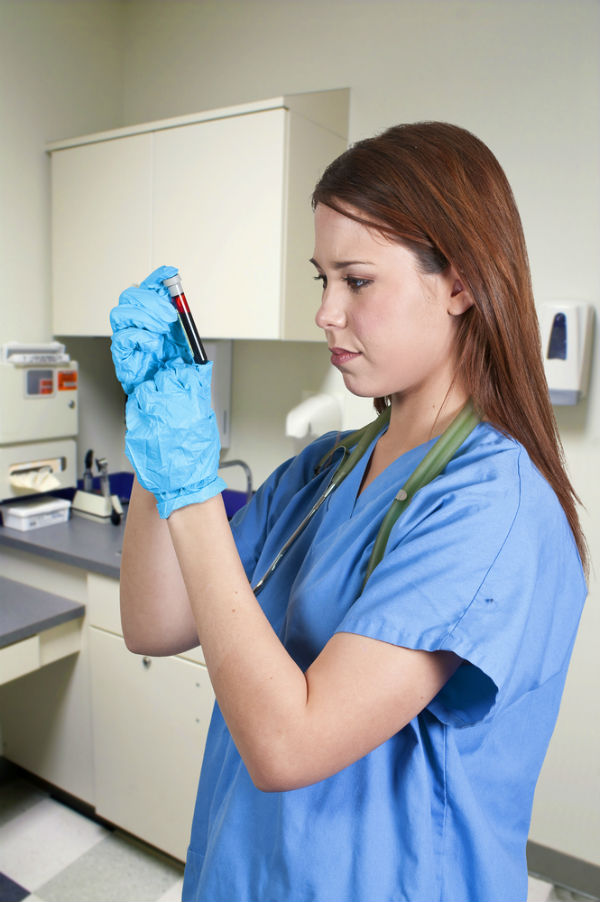
Unlock Your Career: A Complete Guide to Phlebotomy Schooling and Certification
Are you looking for a rewarding career in the healthcare field? If so, phlebotomy might be the perfect fit for you. This guide covers everything you need to know about phlebotomy schooling and certification, helping you unlock your potential and embark on a fulfilling career.
What is Phlebotomy?
Phlebotomy is the practise of drawing blood from patients for various medical purposes, including tests, donations, and transfusions. Phlebotomists play a critical role in the healthcare system by ensuring that blood samples are collected safely, accurately, and efficiently.
Why Choose a Career in Phlebotomy?
- High Demand: As healthcare needs grow, so does the demand for skilled phlebotomists.
- Quick Entry into the Workforce: Programs typically take less than a year to complete.
- Flexible Work Opportunities: Phlebotomists work in hospitals, clinics, labs, and more, offering varied work environments.
- Stepping Stone to Other medical Careers: Experiance as a phlebotomist can pave the way for further healthcare education and professions.
Understanding Phlebotomy Schooling
To become a successful phlebotomist, you must undergo formal training, which includes classroom education and hands-on experience. Here’s what to expect:
Types of Phlebotomy Programs
| Program Type | Duration | Overview |
|---|---|---|
| Certificate Programs | 3-6 months | Focuses primarily on phlebotomy skills and knowledge. |
| Diploma Programs | 6-12 months | Includes broader topics in healthcare alongside phlebotomy training. |
| Associate Degree | 2 years | Provides a comprehensive education in healthcare, including phlebotomy. |
Curriculum Overview
Phlebotomy training programs typically include the following subjects:
– Anatomy and Physiology
– Safety and Infection control
- Procedures for Blood Collection
– Patient Interaction and Communication
– Laboratory Practices
Certification for Phlebotomists
Obtaining certification is a crucial step in establishing your credibility as a phlebotomist. Various organizations offer certification programs, including:
- American Society for Clinical Pathology (ASCP)
- National Credentialing Agency for Laboratory Personnel (NCALP)
- National Phlebotomy Association (NPA)
- American Medical Technologists (AMT)
Steps to Get Certified
1. **Complete a Phlebotomy training Program:** Ensure you meet the required hours of instruction and practice.
2. **Pass the Certification Exam:** Focus on the specific exam requirements for your chosen certifying body.
3. **Maintain Your Certification:** Many certifications require continuing education credits to remain active.
Benefits of Becoming a Certified phlebotomist
– **Enhanced Job Opportunities:** Many employers prefer to hire certified phlebotomists.
– **Increased Earning Potential:** Certification frequently enough leads to higher salaries and advancement opportunities.
– **Professional Recognition:** Certification showcases your commitment to the field and enhances your resume.
Practical Tips to Succeed in Phlebotomy Training
– **Stay Organized:** Keep track of your study materials and practice schedules.
– **Practice on Fake Arms:** Use simulation kits to master blood collection techniques.
– **Network with Professionals:** Join phlebotomy groups or associations for support and opportunities.
– **Continuing Education:** Stay updated on best practices and new technologies in the field.
Real-Life testimonials: The Impact of Phlebotomy Training
Here are two brief case studies highlighting the experiences of new phlebotomists:
Case Study 1: Sarah – From Student to Phlebotomist
After completing a 6-month certificate program, Sarah landed a position at a local hospital. Her hands-on training instilled the confidence needed for patient interaction, and she now enjoys the dynamic surroundings of the ER.
Case Study 2: James – Advancing Through Certification
James started as a phlebotomy tech after high school. By earning his certification, he was promoted within a year to a senior technician role, significantly increasing his salary and job satisfaction.
Conclusion: Start Your Journey in Phlebotomy Today
Phlebotomy offers a unique gateway into the healthcare industry with numerous career opportunities.By understanding the requirements for schooling and certification, you can position yourself for success in this rewarding field. Whether you’re looking to enter the workforce quickly or lay the groundwork for future healthcare endeavors, pursuing a career in phlebotomy can help you unlock your career potential.
Are you ready to take the first step in your phlebotomy journey? Explore local training programs, and embark on a fulfilling career in healthcare!