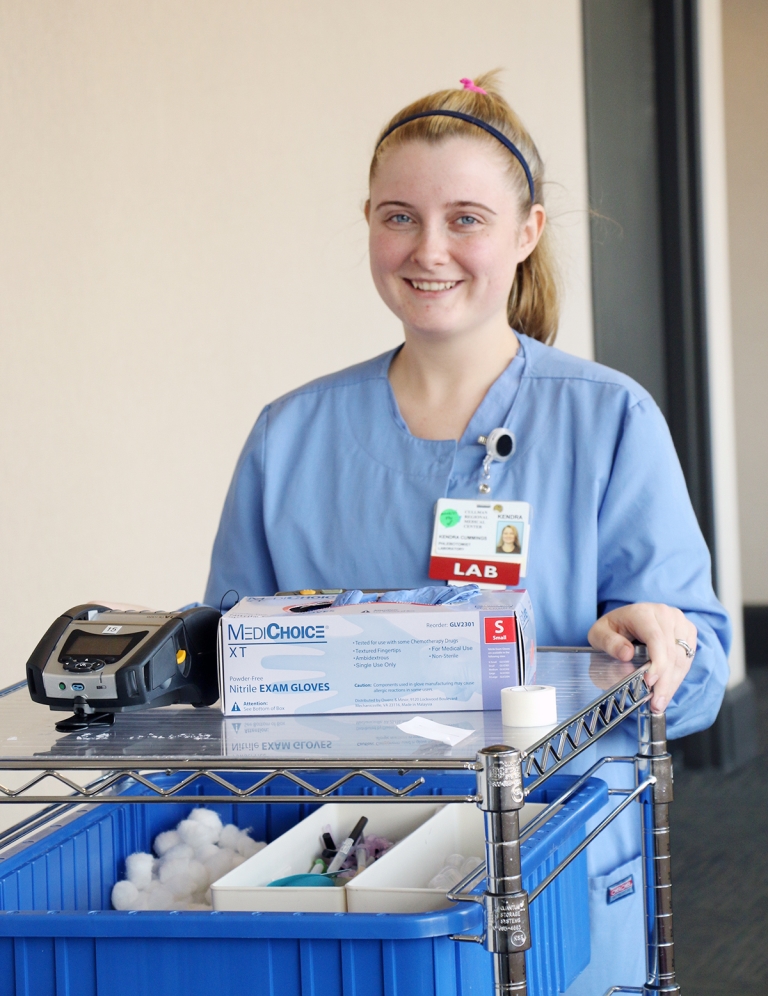
Essential Guide to Paediatric Phlebotomy Training: Skills Every Healthcare Professional Needs
Paediatric phlebotomy-collecting blood samples from infants, children, and adolescents-requires more than technical know-how. It demands a compassionate approach, precise technique, and a deep understanding of age-specific anatomy, pain management, and infection prevention. This extensive guide is designed for healthcare professionals who are or will be involved in pediatric blood collection, including nurses, medical assistants, phlebotomy technicians, lab technicians, and physicians.We cover core skills, training frameworks, practical tips, case studies, and pathways to certification, all with an emphasis on safety, patient comfort, and clinical accuracy.
Why Paediatric Phlebotomy Training Matters
- Safety first: Children are more vulnerable to complications such as vasovagal responses,hematomas,or tough venous access. Proper training reduces risk.
- Accuracy and turnaround time: Pediatric patients often require smaller-volume samples and precise labeling to avoid errors that delay diagnosis.
- Patient experience and trust: A well-trained practitioner minimizes fear and discomfort,which improves cooperation and future healthcare engagement.
- Compliance and standards: Training aligns with infection prevention guidelines, aseptic technique, and regulatory requirements.
Core Skills Every Healthcare Professional Needs
Below is a curated list of fundamental competencies essential for effective paediatric phlebotomy. This is the backbone of any paediatric blood-drawing program.
Technical Phlebotomy Skills
- Venipuncture technique tailored to pediatric anatomy (vein selection, palpation, and stabilization).
- Appropriate syringe or vacuum collection system selection for small-volume draws.
- Pre- and post-collection specimen handling, labeling, and transport procedures.
- Specimen quality assessment (hemolysis prevention, adequate fill, proper anticoagulant usage).
Pain Management and Patient Comfort
- Use age-appropriate distraction and communication strategies.
- Employ topical anesthetics when indicated and safe.
- Implement non-pharmacological comfort techniques (breathing exercises, pencil grips, parental presence).
- Understand and recognize signs of distress or vasovagal reaction.
Aseptic Technique and Infection Control
- Hand hygiene, glove use, and proper sanitization of puncture sites.
- aseptic skin planning in neonates and older children as per guidelines.
- safe needle handling,disposal,and avoidance of needle-stick injuries.
Communication and Consent
- Clear, age-appropriate explanations of the procedure.
- Involvement of caregivers in decision-making and consent processes.
- De-escalation strategies for anxious patients and families.
Patient Assessment and Case Management
- Assess venous access challenges and adapt techniques accordingly.
- Plan for difficult draws, including pediatric-kind equipment and alternate sites when necessary.
- Document reactions, medical history, and potential bleeding risks.
Safety, Ethics, and Professionalism
- Adherence to scope of practice and local regulatory requirements.
- Ethical consent processes and patient confidentiality.
- Emergency readiness and escalation pathways.
Training Framework: From Classroom to Clinic
A solid paediatric phlebotomy training program blends theoretical knowledge with hands-on practice. Here’s a practical framework many programs follow:
- Foundational knowledge: Anatomy and physiology of pediatric venous systems, common labs and tests, specimen handling, and quality control.
- Technique labs: Simulation-based practice with pediatric-manikin arms or volunteer participants to master venipuncture,butterfly needle use,and site selection.
- Pain management and patient-centered care: Role-playing scenarios to practice communication and comfort measures.
- Infection prevention: Training on aseptic technique, PPE usage, and safe disposal practices.
- Clinical practicum: Supervised real-world blood draws on pediatric patients, with feedback and assessment.
- Assessment and certification readiness: Written exams, skills checklists, and practical OSCE-like evaluations.
To optimize search visibility and accessibility, programs should publish a detailed syllabus, learning objectives, and a rubric for competency assessment.Keywords like “paediatric phlebotomy training course,” “pediatric venipuncture technique,” and “pediatric blood draw training” should appear naturally in course descriptions, FAQs, and blog resources.
Age-Specific Considerations in Pediatric Blood Collection
Young patients present unique challenges. Here are age-stratified considerations to tailor your approach:
Newborns and Neonates
- Higher risk of complications; consider capillary puncture for certain tests when appropriate.
- Small veins, fragile skin-gentle palpation and minimal tourniquet use.
- Frequent reliance on heel pricks; ensure proper warm-up and site selection.
Infants (1-12 months)
- Restrained comfort methods; parental presence can reduce distress.
- vein visibility is limited; consider alternate sites and stabilization techniques.
Toddlers and Preschoolers (1-5 years)
- Increased fear and resistance; use distraction, play, and simple explanations.
- Consider butterfly needles for small veins or capillary sampling when appropriate.
School-Age Children and Adolescents (6-18 years)
- Empowerment through clear information; allow choice of vein site when possible.
- Education about the procedure reduces anxiety and improves cooperation.
Procedural Overview: Safe and Efficient Venipuncture in children
while every patient is unique, the following high-level steps reflect best practices in pediatric venipuncture. This section emphasizes safety and patient experience rather than procedural minutiae.
- Prepare the patient and environment: warm, child-friendly space; gather all materials; ensure proper lighting.
- Verify patient identity, required tests, and specimen labeling protocols.
- Explain the procedure in age-appropriate language and obtain consent.
- Apply PPE and perform hand hygiene; select appropriate needle size and collection system.
- Prepare the puncture site with gentle skin cleansing and consider topical analgesia if indicated.
- Stable immobilization: use a parent or caregiver to comfort; support the arm and anchor the vein gently.
- Draw the specimen with controlled technique, minimizing tourniquet time to reduce discomfort.
- Label and transport the specimen according to standard operating procedures.
- Assess patient for distress or adverse reactions; provide post-procedure care and instructions.
Safety, PPE, and Infection control
Putting safety first protects patients, families, and healthcare teams. The core elements include:
- Hand hygiene and appropriate use of PPE (gloves, masks, eye protection as required).
- Aseptic skin preparation and proper tourniquet use to minimize tissue trauma.
- safe needle handling, sharps disposal, and avoidance of needle recapping.
- Equipment checks for sterility and expiration dates; proper labeling of tubes and samples.
- Post-procedure monitoring for hematoma formation or signs of distress.
Equipment and Supplies: Pediatric-Focused Toolkit
Having the right tools tailored to pediatric anatomy makes a big difference in success and patient comfort. Consider the following essentials:
- Varied needle gauges (e.g., 23G or 25G) and butterfly sets for small veins.
- Small-volume collection tubes with pediatric-specific anticoagulants.
- Warmers or small heat packs to aid vein prominence in infants.
- Adhesive bandages and gentle PPE for comfort and safety.
- Distraction aids (toys, storybooks, or mobile devices) for age-appropriate diversion.
Table: Pediatric Venipuncture Devices - pros, Cons, and Use Cases
| Device | Pros | Cons | best Use |
|---|---|---|---|
| Butterfly needle (28-23G) | Less traumatic; good for small veins; easier stabilization | Slower flow; higher risk of vein trauma if mishandled | Very young children and fragile veins |
| Standard straight needle (21-23G) | Reliable for larger pediatric veins; quicker collection | More painful; requires steadier technique | Older children with visible veins |
| Vacutainer system with minimal tourniquet | Efficient; closed system reduces exposure | Tourniquet time must be minimized; vein collapse risk | Steady hands and adequate veins |
Practical Tips for Success
- Always check the patient’s medical history for bleeding disorders or prior reactions to needles.
- Practice a gentle, confident approach to build trust with the child and caregiver.
- Use distraction and positive reinforcement to reduce anxiety.
- Introduce the procedure early to reduce fear on future visits.
- Develop a pre-procedure checklist to ensure consistency and safety.
First-Hand Experience: Real-World Insights
in pediatric settings, the blend of technical skill and emotional intelligence makes all the difference. One healthcare professional shared this reflection after completing a paediatric phlebotomy rotation: “The most impactful part wasn’t just placing the needle; it was recognizing the child’s fear,validating it,and guiding the parent on what to expect during the wait for results. When the child smiles after a triumphant draw, you know you’ve done more than collect a sample-you’ve earned trust.”
Case Studies: Learning Through Scenarios
Case Study 1: A Difficult Vein in a Toddler
Scenario: A 2-year-old presents for a routine CBC. Veins are difficult to locate; a parent is anxious. Approach: Use a warmed hand, engage the child with a favorite toy, and obtain consent from the caregiver. Outcome: A successful draw using a butterfly needle with minimal distress; the child accepts future visits with less fear.
Case Study 2: Neonate Capillary vs. Venous Draw
Scenario: A neonate requires several small-volume tests. Approach: Initially attempt capillary samples where appropriate,with strict labeling and sample handling. If venipuncture is necessary, use a small-gauge needle and gentle stabilization. Outcome: Accurate results without compromising skin integrity.
Certification, Career Pathways, and Continuing Education
Certification demonstrates proficiency and a commitment to patient safety. Potential pathways include:
- phlebotomy certification with a pediatric-specific component or a dedicated paediatric phlebotomy training course.
- Clinical practice as a pediatric phlebotomy technician or pediatric nurse with phlebotomy duties.
- Advanced practice roles in pediatric phlebotomy, lab support, or venipuncture education and simulation training.
Continuing education should cover updates in pediatric specimen handling, new collection tubes or devices, evolving pain-management guidelines, and changes in regulatory standards. Employers increasingly value practitioners who stay current with evidence-based pediatric blood-drawing practices.
Benefits of Comprehensive Paediatric Phlebotomy Training
- Improved patient safety and reduced procedure-related complications.
- Better patient and caregiver satisfaction through compassionate care.
- Enhanced sample quality, reducing the need for repeat draws and delays in diagnosis.
- A standardized approach that supports high-quality laboratory workflows.
- Professional confidence for healthcare teams, fostering better teamwork in fast-paced pediatric settings.
Practical Tips for Training Programs and Institutions
- Incorporate simulation-based practice with age-appropriate scenarios before real patient encounters.
- Provide access to a range of devices (butterfly needles, small tubes) to accommodate different vein anatomies.
- Offer peer observation and feedback sessions to reinforce best practices.
- Include caregiver education components so families understand the process and expected outcomes.
- Schedule regular refresher trainings to keep skills sharp and up-to-date with guidelines.
Conclusion: Equipping Healthcare Professionals for Pediatric Phlebotomy Success
Paediatric phlebotomy training is more than learning how to draw blood; it is a comprehensive discipline that combines technical precision with empathy, communication, and patient-centered care. By mastering age-specific techniques, pain management strategies, infection control, and safe, efficient workflows, healthcare professionals can improve both clinical outcomes and the overall experience for children and their families. Whether you are pursuing a dedicated paediatric phlebotomy course or integrating pediatric blood collection competencies into your broader nursing or laboratory education, investing in robust training yields tangible benefits for patients, teams, and the health system as a whole.
If you’re building or updating a paediatric phlebotomy training program, focus on practical, hands-on learning, strong assessment rubrics, and ongoing support for staff. With the right skills and compassionate approach,you’ll help children feel safer,seen,and respected during every blood draw-and you’ll help healthcare teams deliver faster,more accurate diagnoses with confidence.