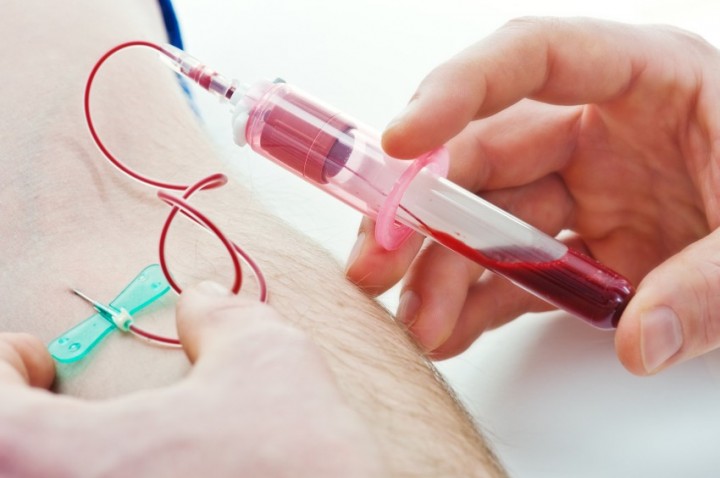
Mastering Venipuncture Phlebotomy: Essential Tips for Safe and Accurate Blood Collection
Venipuncture phlebotomy is a basic skill in healthcare, enabling teh accurate collection of blood samples for diagnostic testing, blood donations, and other medical procedures. Mastering this technique requires a combination of technical know-how, attention to safety, and patient care. Whether you’re a beginner or looking to refine your skills, understanding the best practices for venipuncture can significantly improve outcomes, minimize complications, and ensure patient comfort.In this comprehensive guide, we’ll explore essential tips, practical techniques, and safety considerations to help you become proficient in venipuncture phlebotomy.
What Is Venipuncture Phlebotomy?
Venipuncture, commonly known as blood draw, is a medical procedure where a needle is inserted into a vein – typically in the arm – to collect blood samples.This process is performed by trained professionals called phlebotomists, nurses, or medical technologists. Proper venipuncture technique is vital to ensure sample integrity, avoid complications, and provide a positive patient experience.
Benefits of Proper Venipuncture Technique
- Accurate test results: Proper blood collection ensures sample quality, leading to reliable laboratory results.
- Minimized complications: Correct technique reduces risks like hematomas,nerve injury,or infections.
- Patient comfort: Skilled procedures minimize pain and discomfort for patients.
- Time efficiency: Mastery leads to faster, smoother blood draws, reducing procedure time.
Prerequisites and Necessary Equipment for Venipuncture
Before performing venipuncture, ensure you have all the necessary supplies prepared and check that you are trained adequately. essential equipment includes:
- Gauges of needles: Usually 21-23 gauge needles for adult blood collection.
- Vacutainer systems or syringe holders: For safe and sterile blood collection.
- Tourniquet: To engorge veins and facilitate easy visualization.
- Alcohol swabs: For skin disinfection.
- Test tubes or blood collection tubes: Properly labeled containers for different tests.
- Adhesive bandages or gauze: To secure the site post-collection.
- Gloves: For infection control and safety.
Step-by-Step Guide: Mastering Venipuncture Phlebotomy
1. Preparing the Surroundings and Patient
- Ensure the workspace is clean, well-lit, and organized.
- Verify patient identity and explain the procedure to reduce anxiety.
- Gather all equipment beforehand.
- Wash hands and wear gloves.
2. Selecting and Preparing the Site
- Identify prominent veins, typically in the antecubital fossa or the back of the hand.
- Apply the tourniquet about 3-4 inches above the selected site to engorge veins.
- Palpate the vein gently to assess size, depth, and stability.
- Disinfect the site using alcohol swab, moving in circular motions from inside out.
3. inserting the Needle
- Hold the needle wiht a steady, controlled grip at a 15-30 degree angle.
- Insert the needle smoothly into the vein in one rapid motion.
- Ensure the bevel is facing upward for easier blood flow.
- Attach the collection tube or syringe as needed.
4. Collecting the Blood Sample
- Allow blood to flow into the tube; fill to the required volume.
- If using multiple tubes, change tubes without removing the needle from the vein.
- Monitor the patient for signs of discomfort or complications.
5. Completing the Procedure
- Withdraw the needle swiftly and safely, applying pressure with gauze.
- Secure the bandage or gauze with adhesive tape.
- Label the blood tubes accurately.
- Discard used sharps into approved containers.
- Thank the patient and ensure comfort.
Practical Tips for Safe and Accurate Blood Collection
Top tips for Venipuncture
- Choose the right site: Prefer veins that are large, straight, and easy to access.
- Apply the tourniquet correctly: Too tight can cause discomfort; too loose may not engorge veins adequately.
- use proper needle angle: 15-30 degrees helps minimize tissue trauma.
- Avoid probing: Once you’ve identified a good vein, proceed confidently.
- Keep the needle stable: to prevent rolling or puncturing other tissues.
- Ensure patient comfort: Communicate clearly and support the arm during the procedure.
Overcoming Common Challenges in Venipuncture
| Challenge | Solution |
|---|---|
| Small or difficult veins | Warm the area, use a tourniquet longer, or select choice sites like the hand. |
| Patient anxiety or movement | Explain the procedure thoroughly and support the arm to reduce movement. |
| Hematoma formation | Apply proper pressure instantly after withdrawal and avoid multiple punctures. |
Case Study: Successful Venipuncture in a Difficult Patient
Mrs. Anderson was a patient with fragile veins and high anxiety about blood draws. The phlebotomist employed a warm compress to dilate the veins, explained each step thoroughly, and used a smaller gauge needle for less trauma. Patience and gentle technique resulted in a successful blood collection on the first attempt, demonstrating the importance of adaptive strategies in venipuncture.
First-Hand Tips from Experienced Phlebotomists
“Practice makes perfect. Always prioritize patient comfort and safety. Developing a keen eye for vein selection and mastering the angle of insertion are skills that sharpen over time.” – Jane D., Certified Phlebotomist
Conclusion
Mastering venipuncture phlebotomy is an essential skill for healthcare professionals dedicated to providing high-quality patient care. By understanding the proper techniques, equipment, safety protocols, and practical tips outlined above, you can perform blood collection procedures with confidence, safety, and accuracy.Continuous practice and a patient-centered approach will help you become proficient in blood draws, minimizing complications and ensuring reliable test results. Remember, safety and professionalism are the cornerstones of successful venipuncture. Keep honing your skills and stay updated with best practices to excel in this vital area of medical practice.
Additional Resources for Further Learning