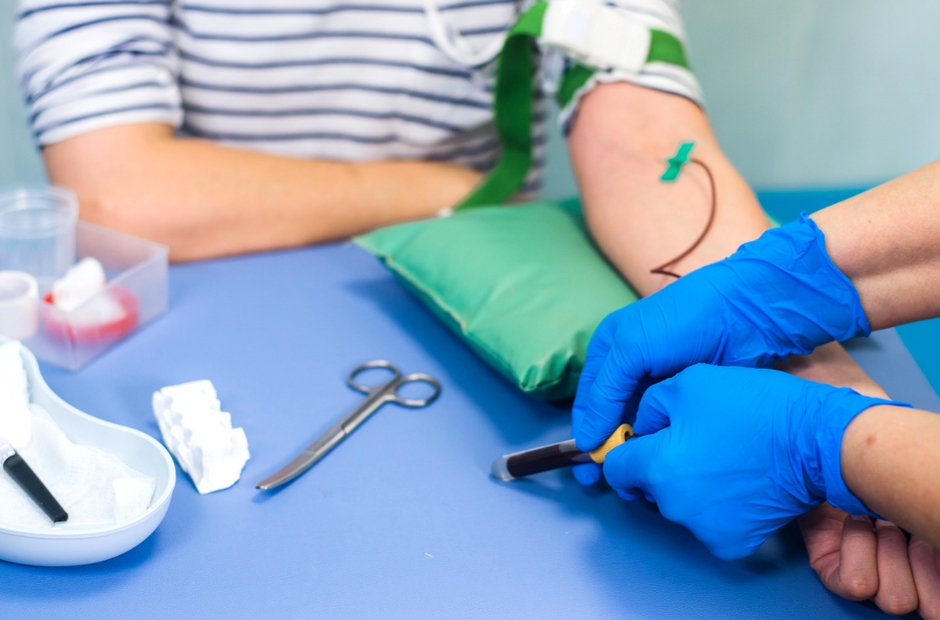
Mastering teh Essentials: A Comprehensive Guide to Phlebotomy Lab Techniques and Careers
Welcome to your ultimate resource on phlebotomy-an essential healthcare profession that combines technical skill with patient care. Whether you’re considering a career in phlebotomy or seeking to refine your laboratory techniques, this comprehensive guide will equip you with the knowledge, practical tips, and insights needed to excel. From understanding essential blood collection methods to exploring career pathways, we’ll cover everything to help you master the essentials of phlebotomy.
Introduction
Phlebotomy is a critical aspect of diagnostic laboratory work that involves collecting blood samples for testing, transfusions, donations, or research. The accuracy and safety of blood collection directly impact patient diagnosis and care, making mastery of lab techniques paramount for healthcare professionals.
As demand for trained phlebotomists continues to grow globally, mastering the technical skills and understanding the career landscape can open exciting opportunities in healthcare. This article provides a detailed overview of phlebotomy lab techniques, essential skills, benefits, practical tips, and career prospects-building a foundation for success in this vital healthcare field.
Understanding Phlebotomy and Its Importance
Phlebotomy, derived from Greek words meaning ”vein” and “cut,” refers to the practise of drawing blood for laboratory testing, transfusions, or donations. It is a specialized skill requiring knowledge of anatomy, blood collection devices, patient interaction, and safety protocols.
Effective phlebotomy ensures sample integrity, reduces patient discomfort, and mitigates risks of infection or injury. As a cornerstone of diagnostic medicine, proficiency in phlebotomy lab techniques directly influences healthcare quality and outcomes.
Core Phlebotomy Lab Techniques for Success
1. venipuncture Methods
The most common blood collection technique is venipuncture, using a needle inserted into a vein to draw blood. Key steps include:
- Proper site selection, usually the median cubital vein
- Applying a tourniquet to engorge the vein
- Cleaning the site with alcohol swab
- Inserting the needle with correct angle and depth
- Collecting the sample into appropriate tubes
- Releasing the tourniquet and withdrawing the needle safely
2. Capillary blood Collection
Used primarily for small blood samples such as glucose testing or blood typing, capillary collection involves skin puncture with a lancet, typically on the fingertip or heel.
Steps include:
- Properly cleansing the puncture site
- Using a lancet with appropriate depth
- Allowing blood to flow into collection tubes or onto test strips
3. Proper Use of Collection Equipment
Efficient lab techniques demand familiarity with various phlebotomy equipment:
- Vacutainer tubes and adapters
- Needles of different gauges and styles
- Tourniquets and elastic bands
- Gauze,bandages,and antiseptics
- Needle disposal containers
Essential Skills for Effective phlebotomy
- Patient Interaction: Building rapport to reduce anxiety and ensure cooperation
- Hand-Eye Coordination: Precise handling of needles and tubes
- Infection Control: Strict adherence to safety protocols
- Attention to Detail: Correct labeling and specimen handling
- Knowledge of Anatomy: Understanding vein locations and variations
benefits of Mastering Phlebotomy Techniques & Practical Tips
Benefits:
- High demand for skilled phlebotomists in healthcare settings
- Opportunities for specialization and career advancement
- Contributing to accurate diagnosis and patient health
- Job stability and competitive salaries
Practical Tips for Aspiring Phlebotomists:
- Obtain proper certification from accredited programs
- Practice on fellow students or volunteers to sharpen skills
- Stay current with safety standards and technological advances
- Develop excellent communication skills for patient care
- Remain calm and patient,especially with arduous or anxious patients
Phlebotomy Certification and Education
While requirements vary by region,most healthcare facilities prefer certified phlebotomists. Certification involves completing a training program covering anatomy, safety, and lab techniques, followed by a practical exam.
Common certifying agencies include:
- American Society for Clinical Pathology (ASCP)
- National Phlebotomy association (NPA)
- American Medical Technologists (AMT)
Educational pathways range from short-term certification courses to associate degree programs in medical laboratory technology.
Career Opportunities in Phlebotomy
Potential Work Settings
- Hospitals and clinics
- Blood donation centers
- Medical laboratories
- Physician offices
- Research institutions
advancement and Specializations
Experienced phlebotomists can pursue specialization in:
- PPG (phlebotomy Processing and general Laboratory Skills)
- Forensic phlebotomy
- Mobile phlebotomy services
- Laboratory supervisor or trainer
Case Study: Enhancing Patient experience with Skillful Phlebotomy
In one hospital, a trained phlebotomist implemented patient-centered techniques-explaining procedures, using soothing language, and selecting optimal veins. The result? Reduced patient anxiety, fewer failed draws, and improved overall satisfaction. This case highlights how mastery of lab techniques directly benefits patient care and the reputation of healthcare providers.
First-Hand Experience: Tips from Seasoned Phlebotomists
“Always prioritize patient comfort.use quick, gentle movements, and communicate clearly. Practice makes perfect-take every opportunity to refine your technique,” shares Jane Doe, a veteran phlebotomist with over 10 years of experience.
Additionally, maintaining a clean workspace and adhering strictly to safety protocols protect both patients and staff, ensuring a smooth workflow and high-quality samples.
Conclusion
Mastering the essentials of phlebotomy lab techniques is a rewarding journey that combines technical skill with compassionate patient care. Whether you’re starting your training or seeking to elevate your proficiency, understanding core procedures, honing essential skills, and staying updated with best practices are keys to success.
With growing demand for qualified professionals,a career in phlebotomy offers stability,progression,and the chance to make a meaningful difference in healthcare. Equip yourself with the knowledge, skills, and confidence to excel in this vital field-your journey toward becoming a master in phlebotomy begins today!
quick Reference: Phlebotomy Techniques & Career Tips
| Category | Key Points |
|---|---|
| Essential Skills | Patient rapport, precision, infection control |
| Certification | Complete accredited training, pass practical exam |
| Work Settings | Hospitals, labs, blood banks, research |
| career Growth | Specializations, supervisory roles, training |
Embark on your phlebotomy journey with confidence.Master the techniques, embrace continuous learning, and contribute to quality healthcare every day!