Mastering the Correct Order of draw for Blood Collection: Essential Tips for Accurate lab Results
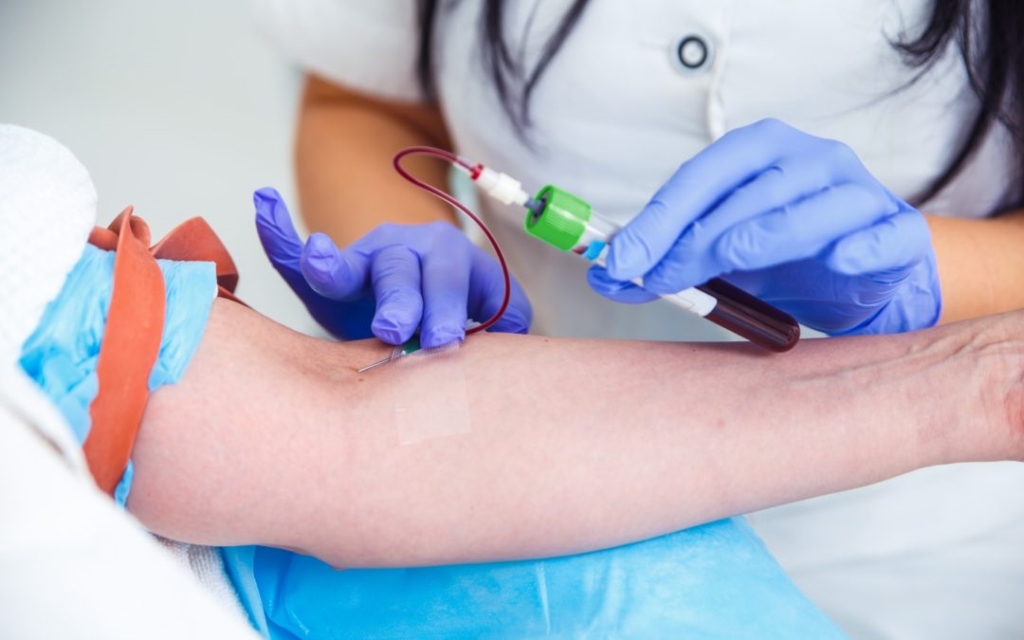
Collecting blood samples accurately is a fundamental step in diagnosing and monitoring numerous health conditions. Proper blood collection, especially following the correct order of draw, ensures the accuracy and reliability of laboratory results. In this comprehensive guide, we will explore the importance of the correct blood draw sequence, provide practical tips for phlebotomy, and discuss how adhering to best practices can enhance patient safety and diagnostic precision.
Introduction
Blood sample collection is a routine yet critical procedure in clinical practice. An improper order of draw can lead to contamination, hemolysis, and inaccurate test results, which may impact patient care. Understanding the sequence of blood collection tubes, along with proper technique, empowers healthcare professionals to uphold high standards in laboratory diagnostics. Whether you’re a seasoned phlebotomist or a healthcare student, mastering this process is essential for ensuring the highest quality laboratory outcomes.
The Importance of the correct order of Draw
Following a standardized order of draw minimizes the risk of cross-contamination between different additive agents present in blood collection tubes.it also helps prevent the transfer of additives into subsequent samples, which could skew test results. Proper sequencing is crucial for tests that require specific sample integrity, such as coagulation studies, serology, or blood chemistry panels.
The Standardized Order of Blood Collection Tube Draw
According to the Clinical and Laboratory standards Institute (CLSI),the recommended order of draw is designed to prevent additive carryover and maintain sample integrity. Here is the standard sequence:
| Order | Tube Type | Additive or Purpose |
|---|---|---|
| 1 | Blood culture tubes | Microbial testing |
| 2 | Light Blue Top | Sodium citrate (coagulation testing) |
| 3 | Serum separator tubes (SST) | Clot activator, gel separator |
| 4 | pearl or Gold Top | Serum chemistry tests |
| 5 | Green Top | Heparin (plasma tests) |
| 6 | lavender Top | EDTA (CBC, blood Typing) |
| 7 | Gray Top | Potassium oxalate, fluoride (glucose testing) |
Practical Tips for Proper Blood Collection
Mastering the correct sequence is just one part of ensuring accurate results. Here are some additional practical tips for blood collection:
- Use the correct equipment: Ensure needles, tubes, and transport containers are suitable for the test.
- Identify the patient accurately: Confirm identity using two identifiers.
- Prepare the site properly: Use alcohol swabs and allow the site to dry completely to prevent hemolysis.
- Apply the tourniquet correctly: Tighten sufficiently without causing discomfort and release within one minute.
- Use the correct puncture technique: insert the needle bevel-up at an appropriate angle (usually 15-30 degrees).
- Zero the tube’s additive: Mix tubes gently if required, but avoid vigorous shaking.
- Label tubes immediately: Accurate labeling reduces errors and delays.
- Follow the order of draw strictly: Stick to the sequence to prevent cross-contamination.
Benefits of correct Blood Collection Technique
Adhering to proper blood collection protocols and order of draw offers numerous benefits:
- Enhanced test accuracy: Reliable results for accurate diagnosis and treatment planning.
- Reduced sample contamination: Prevents additive carryover and sample compromise.
- Improved patient safety: Minimizes risks like hemolysis and infection.
- Boosted laboratory efficiency: fewer repeat draws and delays streamline workflows.
Case Study: Impact of Incorrect Order of Draw
Consider a scenario where a phlebotomist inadvertently draws a serum tube before a potassium test tube containing EDTA. The EDTA additive contaminates the serum sample, falsely elevating potassium levels. This misinterpretation could lead to unnecessary treatments or additional testing. Following the correct order of draw prevented such errors in a routine clinical setting, highlighting the importance of protocol adherence.
First-Hand Experience: Tips from a Certified Phlebotomist
“In my years of practice, I’ve seen how following protocol makes all the difference.Consistently using the correct order of draw and patient-centered techniques not only ensures precise test results but also builds trust with patients.Always double-check labels and maintain a calm, professional approach - these small steps improve outcomes tremendously.”
Conclusion
Mastering the correct order of draw for blood collection is fundamental to achieving accurate laboratory results. It requires attention to detail, adherence to standardized protocols, and practical techniques to prevent errors. By understanding the sequence and implementing best practices, healthcare professionals can enhance diagnostic accuracy, improve patient safety, and ensure efficient laboratory workflow. Remember, precision in blood collection is the cornerstone of effective patient care and successful clinical outcomes.