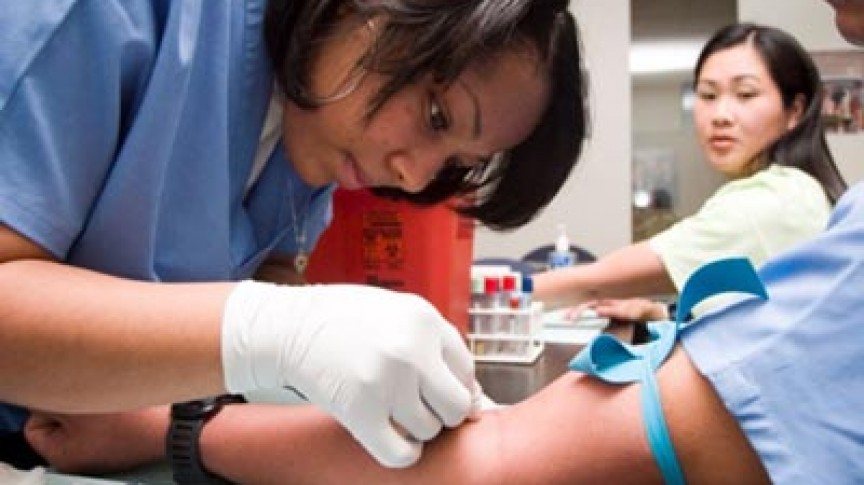
Mastering the Art of Phlebotomy: Insights from a Professional Blood Drawer
Phlebotomy is more than just a skill; it’s an art that requires precision, empathy, and extensive knowledge. In the medical field, a trained phlebotomist plays a vital role in patient care, making the ability to draw blood effectively a critical component of healthcare. This article provides insights, practical tips, and personal experiences from a professional blood drawer, aiming to help you master the art of phlebotomy.
What is Phlebotomy?
Phlebotomy refers to the process of drawing blood from a patient for diagnostic or therapeutic purposes. This procedure is essential in various medical settings, including hospitals, clinics, and blood donation centers. The primary responsibilities of a phlebotomist include:
- Preparing and maintaining equipment for blood collection
- identifying the correct venipuncture site
- Collecting blood samples accurately and safely
- Labeling and handling blood specimens properly
- Ensuring patient comfort throughout the process
The Importance of Phlebotomy in Healthcare
Phlebotomy is crucial for several reasons:
- Diagnosis: Blood tests help diagnose various health conditions, including infections, diseases, and metabolic disorders.
- Monitoring: Regular blood draws are often necesary for patients undergoing treatment to monitor their health and treatment effectiveness.
- Research: Blood samples are essential for medical research, contributing to advancements in health and treatment options.
Essential Skills for a Triumphant Phlebotomist
To master phlebotomy, one must develop and hone several essential skills:
- Technical Skills: Proficiency in using blood collection equipment and techniques.
- Interpersonal skills: Strong communication skills to put patients at ease and obtain their consent.
- Attention to Detail: Accuracy in patient identification, specimen labeling, and technique.
- Stress Management: Maintaining composure in stressful situations to ensure a successful procedure.
- Empathy: Understanding and responding to patient anxiety and fears regarding blood draws.
Benefits of Mastering Phlebotomy
Investing time in mastering the art of phlebotomy offers several benefits,including:
- Career Opportunities: Phlebotomy certification opens doors to various job opportunities in the healthcare industry.
- Patient Interaction: Engaging with patients provides job satisfaction and a sense of accomplishment.
- Contribution to Healthcare: Playing a pivotal role in healthcare enhances the quality of patient care.
Practical Tips for effective Blood Drawing
Here are some practical tips from professionals in the field to enhance your blood drawing skills:
- Stay Educated: Regularly update your knowledge about the latest techniques and guidelines in phlebotomy.
- practice: Hone your skills through repetition and simulation exercises.
- Maintain Cleanliness: Always follow standard operating procedures for hygiene and sanitation.
- Communicate: Explain the procedure to the patient to alleviate their fears.
- Be Adaptable: adjust your techniques based on the patient’s condition and feedback.
Personal Experiences: A Day in the Life of a Phlebotomist
As a professional phlebotomist,each day presents unique challenges and rewarding moments. Here’s a glimpse into a typical day:
- Morning Rounds: Begin with checking equipment, preparing for blood draws, and reviewing patient lists.
- Patient interactions: Warmly greet patients, explaining the process and addressing any concerns.
- Blood Draws: Execute blood draws using various techniques and ensuring patient safety and comfort.
- Documentation: accurately document procedures and results for prompt analysis and reporting.
- End of Day: Clean equipment and prepare for the next day, reflecting on experiences to improve skills.
Case Studies: Success Through Phlebotomy
Real-life case studies illustrate the importance of effective phlebotomy:
| Patient Case | Challenges faced | Solution Implemented | Outcome |
|---|---|---|---|
| Patient with Needle Phobia | Severe anxiety and resistance | Distraction techniques and offering comfort | Successful blood draw with patient satisfaction |
| Obese Patient | Challenging vein access | Utilization of ultrasound technology | Successful blood collection on first attempt |
Conclusion
Mastering the art of phlebotomy is a journey that requires dedication, continuous learning, and empathy.By developing the essential skills outlined in this article and applying practical tips, you can excel in this vital healthcare role. Ultimately, every blood draw is an prospect to provide better patient care, making the art of phlebotomy an invaluable asset to the medical community.