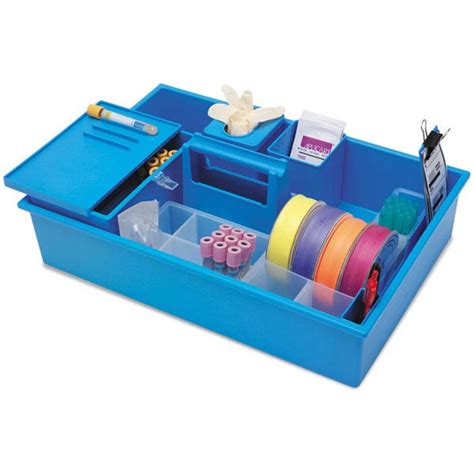
Mastering the Art of Phlebotomy: Essential Training Tips for Aspiring Phlebotomists
Phlebotomy is an essential skill in the healthcare industry, as it involves drawing blood from patients for tests, transfusions, donations, or research. As an aspiring phlebotomist, you may be wondering how to excel in this critical role. This guide will provide you with essential training tips to master the art of phlebotomy, along with practical advice and insights from industry professionals.
Understanding Phlebotomy
Phlebotomy is more than just drawing blood; it requires a deep understanding of human anatomy, lab procedures, and patient interaction. A trained phlebotomist plays a vital role in ensuring patient safety and comfort. Here’s a closer look at what phlebotomy entails:
- Blood Collection Techniques: Learning various methods, including venipuncture and capillary puncture.
- Patient Communication: Ensuring patients feel relaxed and informed about the procedure.
- Sample Handling: Understanding how to process and label samples correctly.
- Compliance and Safety: Adhering to health regulations and safety protocols to minimize risks.
Essential Training Tips for Aspiring Phlebotomists
1. Enroll in a Reputable Phlebotomy Program
Choosing the right training program is crucial. Look for accredited programs that provide comprehensive coursework and hands-on training.
2. Acquire the Proper Certification
Most states require phlebotomists to be certified. This may involve passing exams administered by organizations like the National Phlebotomy Association (NPA) or the American Society for Clinical Pathology (ASCP).
3. Gain Hands-On Experience
Practical experience is vital. Seek internships or volunteer opportunities at hospitals, clinics, or blood donation centers to practice your skills.
4. Master the Anatomy and Physiology
Understanding the anatomy of veins and arteries will help you draw blood more efficiently. Study the following:
| Vein | Description |
|---|---|
| Medial Cubital Vein | Most commonly used for blood draws; centrally located. |
| Cephalic Vein | Located on the outer side of the arm; often used in obese patients. |
| Basilic Vein | Located on the inner side; less reliable for blood draws. |
5. Develop Strong Communication Skills
Being able to communicate effectively with patients is key. Practice your approach, including how to explain the procedure clearly and courteously.
6. Practice Proper Safety Protocols
Infection control and safety are paramount in phlebotomy. Always use the proper protective gear and follow standard procedures to ensure a safe environment.
7. Use a Simulation Lab
Many training programs offer simulation labs where you can practice blood draws on mannequins. This practice is invaluable in building your confidence and honing your techniques.
Benefits of Becoming a Phlebotomist
Choosing a career in phlebotomy can be rewarding in many ways:
- Career Opportunities: High demand for skilled phlebotomists in various healthcare settings.
- Short Training Time: Unlike many medical professions, phlebotomy training can often be completed in a matter of months.
- Interact with People: Enjoy daily interactions with diverse patients and colleagues.
- Job Stability: The healthcare industry is consistently growing, providing job security.
Case Studies: Real-World Experiences
Let’s explore some real-world experiences of phlebotomists to highlight the importance of training and skills in this profession:
- Case Study 1: Jane, a phlebotomist, shares how mastering communication helped her work with anxious patients, turning their fear into calmness and cooperation.
- Case Study 2: Mike faced difficulties in the beginning, drawing blood from patients. After completing a specialized practice program, he transformed his technique and now excels in his role.
First-Hand Experience: Insights from the Field
Experienced phlebotomists often provide valuable tips for those looking to enter the field:
- Stay Calm: Patients can sense anxiety; your confidence will make them feel more at ease.
- Be Observant: Learn to assess the patient’s vein visibility and choose the best site for puncture.
- Keep Learning: Continue professional development through workshops and conferences; it’s essential to stay updated on new techniques and regulations.
Conclusion
Mastering the art of phlebotomy requires dedication, practice, and a focus on patient care. By following these essential training tips and embracing continuous learning, you can excel in this vital healthcare role. Whether you’re just starting out or looking to refine your skills, remember that patience and perseverance are key to becoming a successful phlebotomist. Start your journey today and make a significant impact in the lives of patients and the healthcare community!