Mastering the Art of Phlebotomy: A Step-by-Step Guide to becoming a skilled phlebotomist
Phlebotomy is an essential medical procedure that plays a critical role in diagnostics and patient care. For those considering a career in this field, mastering the art of phlebotomy is key to becoming a proficient phlebotomist. This guide will provide you with a detailed roadmap to achieve that goal.
What is Phlebotomy?
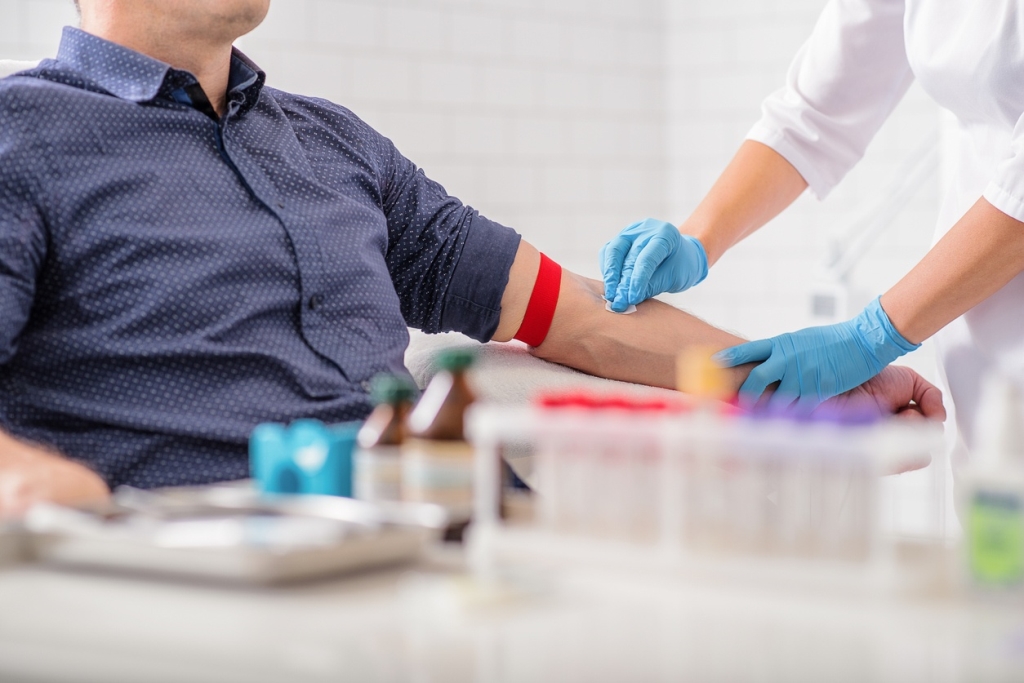
Phlebotomy refers to the procedure of drawing blood from a patient for various medical purposes, including tests, transfusions, and donations. A phlebotomist is a trained health professional who specializes in collecting blood samples.
Step 1: Understanding the Role of a Phlebotomist
Before diving into training and education, it’s essential to understand what a phlebotomist does.Core responsibilities include:
- Collecting blood samples from patients
- Labeling and preparing samples for laboratory analysis
- Ensuring patient comfort and safety during procedures
- Maintaining equipment and adhering to health regulations
Step 2: Educational Pathways for Aspiring Phlebotomists
most aspiring phlebotomists will need to complete specific educational programs. Here’s a simplified look at the pathways:
| Program Type | Duration | Certificate Awarded |
|---|---|---|
| High school Diploma | Variable | Diploma |
| Phlebotomy Training Program | 4-8 weeks | Certificate |
| Associate Degree in Medical Technology | 2 years | Degree |
Step 3: Hands-on training and Internships
Practical experience is invaluable in phlebotomy. Most programs include:
- Classroom instruction on anatomy and blood collection techniques.
- Clinical hands-on training in hospitals or clinics.
- Internships that provide real-world experience.
Step 4: Certification and Licensure
Obtaining certification enhances your credibility as a phlebotomist. Here are some of the recognized certifying organizations:
- American Society for Clinical Pathology (ASCP)
- National Phlebotomy Association (NPA)
- American Medical Technologists (AMT)
Each organization has its requirements,typically including a combination of education and practical experience,followed by passing a certification exam.
Step 5: Essential skills for Phlebotomists
To excel as a phlebotomist, certain skills are necessary:
- Attention to Detail: Accurate labeling and handling of samples is crucial.
- Interpersonal Skills: Building rapport with patients helps ease their anxiety.
- Technical Skills: Familiarity with blood collection equipment and safety protocols.
- Physical Stamina: Ability to stand for long periods and handle varying patient loads.
step 6: Navigating the Job Market
When seeking employment, consider the following:
- Update your resume and highlight relevant education and skills.
- Network with healthcare professionals and join phlebotomy associations.
- Prepare for interviews by practicing common questions.
Benefits of Becoming a Phlebotomist
Choosing a career in phlebotomy can be rewarding in many ways:
- Job Demand: With the growing need for healthcare services,phlebotomists are in high demand.
- Quick training: Many training programs can be completed in a few months.
- Career Advancement: Opportunities to progress into other medical roles.
Practical Tips for Aspiring Phlebotomists
Here are a few practical tips to enhance your journey:
- Practice regularly to build your confidence in drawing blood.
- Stay updated with the latest health and safety regulations.
- Participate in workshops and seminars to improve skills.
First-Hand Experience: A Day in the Life of a Phlebotomist
Understanding the daily routine of a phlebotomist can illuminate how diverse and fulfilling the job can be. Typical tasks might include:
- Checking patient identification and medical history.
- Preparing and sanitizing the workspace.
- Drawing blood samples and providing care post-procedure.
conclusion
Mastering the art of phlebotomy involves a mix of education, hands-on training, certification, and developing crucial soft skills. With the right determination and readiness, you can establish a rewarding career as a skilled phlebotomist.Whether your starting your medical career or looking for a new direction,phlebotomy offers both job stability and the chance to make a meaningful difference in patients’ lives.