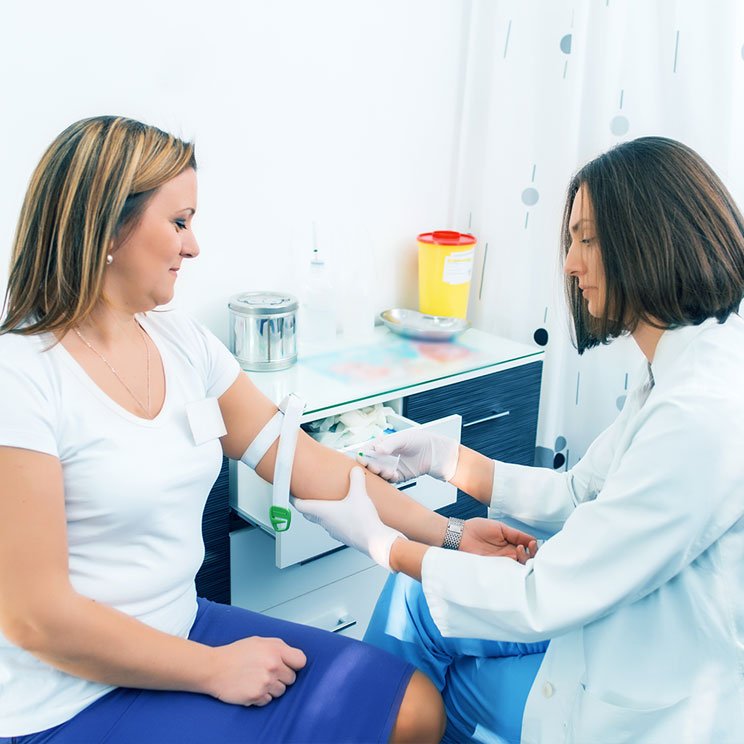
**Title: Mastering the Art of Phlebotomy: A Guide to Becoming a Certified Phlebotomist Technician**
**Introduction:**
Phlebotomy is the practice of drawing blood from patients for various medical purposes, such as diagnostic testing, blood donation, and transfusions. A certified phlebotomist technician plays a crucial role in healthcare settings, ensuring that blood samples are collected accurately and efficiently for further analysis by medical professionals. In this comprehensive guide, we will explore the steps to becoming a certified phlebotomist technician and mastering the art of phlebotomy.
**Benefits of Becoming a Certified Phlebotomist Technician:**
1. **Job Stability:** Healthcare facilities are always in need of skilled phlebotomists to collect blood samples from patients.
2. **Career Growth:** With experience and additional certifications, phlebotomists can advance into supervisory or teaching roles.
3. **Flexible Work Environment:** Phlebotomists can work in hospitals, clinics, laboratories, and even mobile blood donation units.
**Steps to Becoming a Certified Phlebotomist Technician:**
1. **Education:** To become a certified phlebotomist technician, you must complete a phlebotomy training program from an accredited institution. These programs typically last 4-8 months and include both classroom instruction and hands-on training.
2. **Certification:** After completing a training program, you must pass a certification exam administered by organizations such as the National Healthcareer Association (NHA) or the American Society for Clinical Pathology (ASCP).
3. **Clinical Experience:** Once certified, gaining hands-on experience through internships or entry-level phlebotomy positions will help you hone your skills and become a proficient phlebotomist technician.
**Practical Tips for Mastering the Art of Phlebotomy:**
1. **Develop Good Communication Skills:** Building rapport with patients and putting them at ease is essential for a successful blood draw.
2. **Practice Proper Technique:** Mastering the art of venipuncture requires precision and attention to detail. Practice on simulation arms or volunteer opportunities to improve your skills.
3. **Stay Updated:** Stay informed about the latest phlebotomy techniques, equipment, and safety protocols by attending workshops, conferences, and continuing education courses.
**Case Study:**
Emily, a recent graduate of a phlebotomy training program, landed a job at a local hospital. Through dedication and continuous learning, she quickly became known for her gentle touch and excellent blood drawing skills. Emily’s positive attitude and attention to detail have earned her respect from both patients and colleagues, showcasing the importance of mastering the art of phlebotomy.
**Conclusion:**
Becoming a certified phlebotomist technician requires dedication, hard work, and a commitment to mastering the art of phlebotomy. By following the steps outlined in this guide, aspiring phlebotomists can embark on a rewarding career in the healthcare field. Remember, continuous learning and practice are key to becoming a proficient and respected phlebotomist technician. Good luck on your journey to mastering the art of phlebotomy!