**Mastering the Art of Phlebotomy: A Comprehensive Job Description Guide**
Phlebotomy is a crucial aspect of the healthcare industry, responsible for drawing blood for diagnostic tests, blood donations, transfusions, and research. A skilled phlebotomist plays a vital role in ensuring patient safety and accurate test results. In this comprehensive guide, we will explore the job description of a phlebotomist, the skills required, training needed, and career opportunities in this field.
**Job Description:**
Phlebotomists are responsible for drawing blood from patients and preparing blood samples for laboratory testing. They must follow strict protocols to ensure patient safety and maintain accurate records of blood samples. Some common duties of a phlebotomist include:
– Identifying patients and verifying their identities and medical records
– Explaining procedures to patients and answering any questions or concerns
– Selecting the appropriate method for drawing blood based on the patient’s condition
– Sterilizing equipment and preparing the collection site
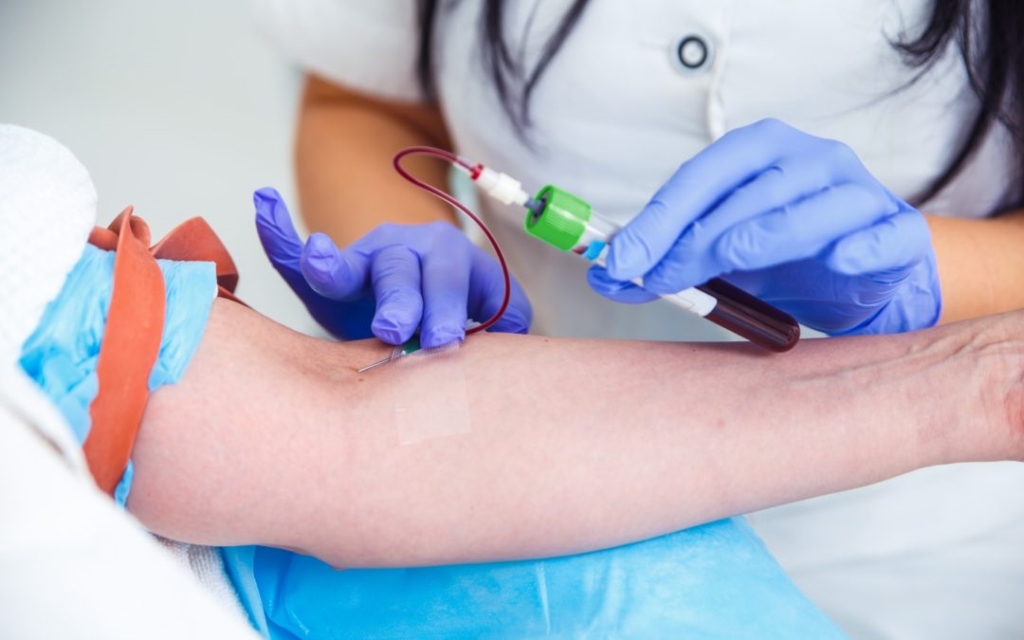
– Drawing blood using venipuncture, fingerstick, or heel stick techniques
– Labeling blood samples accurately and ensuring proper storage and transport
– Maintaining a clean and organized work environment
**Skills Required:**
To excel as a phlebotomist, certain skills are essential. These include:
– Strong attention to detail and accuracy
– Excellent communication and interpersonal skills
– Empathy and compassion for patients
– Ability to work efficiently under pressure
– Knowledge of medical terminology and anatomy
– Proficiency in using phlebotomy equipment
– Adherence to safety and infection control protocols
**Training and Certification:**
While a high school diploma is the minimum requirement to become a phlebotomist, most employers prefer candidates with formal training. Phlebotomy programs are available at community colleges, vocational schools, and medical institutions. These programs cover topics such as anatomy, physiology, blood collection techniques, and safety procedures.
Upon completion of a phlebotomy program, aspiring phlebotomists can obtain certification through organizations such as the National Healthcareer Association (NHA) or the American Society for Clinical Pathology (ASCP). Certification demonstrates competence and can improve job prospects and earning potential.
**Career Opportunities:**
Phlebotomists can find employment in various healthcare settings, including hospitals, clinics, blood banks, and research laboratories. With experience and additional training, they can advance to roles such as phlebotomy supervisor, laboratory manager, or medical laboratory technician. Some phlebotomists also choose to specialize in areas such as pediatric phlebotomy or geriatric phlebotomy.
**Benefits and Practical Tips:**
– Competitive salary and benefits
– Flexible work hours
– Opportunities for professional growth and advancement
– Continuing education options to stay current in the field
**Case Study:**
Sarah, a certified phlebotomist, works at a busy hospital laboratory. She enjoys the variety of patients she interacts with daily and the sense of fulfillment in knowing she plays a crucial role in patient care. Sarah’s attention to detail and compassionate approach have earned her praise from patients and colleagues alike.
**First-Hand Experience:**
“I chose to become a phlebotomist because I wanted to make a positive impact on people’s lives through healthcare. I enjoy the challenge of mastering different blood collection techniques and the satisfaction of knowing that my work contributes to accurate diagnosis and treatment,” says John, a seasoned phlebotomist with over a decade of experience.
mastering the art of phlebotomy requires not only technical skills but also empathy, communication, and professionalism. A career in phlebotomy can be rewarding and fulfilling for those passionate about healthcare and helping others. By following the guidelines outlined in this comprehensive guide, aspiring phlebotomists can embark on a successful career in this essential healthcare profession.