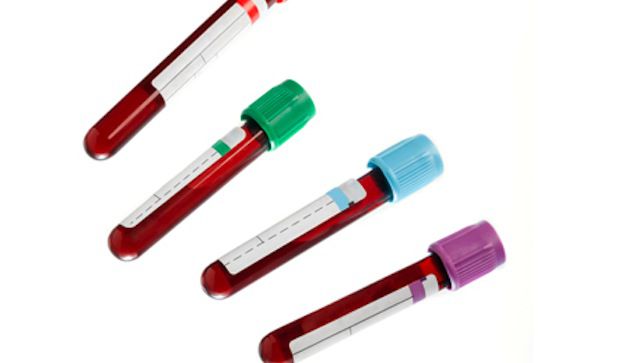
Mastering the Art of Blood Collection: Your Essential Guide to On-The-Job Phlebotomy Training
Phlebotomy is a critical skill in healthcare, essential for diagnostics and patient management. Mastering the art of blood collection can set you apart in your medical career. This comprehensive guide covers everything you need to know about on-the-job phlebotomy training, the benefits it offers, practical tips to excel, and real-life experiences to enhance your learning journey.
What is Phlebotomy?
Phlebotomy is the practice of collecting blood samples from patients for laboratory testing, transfusions, or donation. Accurate blood collection is crucial as it directly influences patient diagnosis and treatment. Phlebotomists play a vital role in the healthcare system, ensuring that blood samples are collected safely and effectively.
The Importance of Phlebotomy Training
- Patient Safety: Proper training helps prevent complications during blood collection.
- Skill Development: Ensures technicians develop the necessary skills for efficient procedures.
- Enhanced Accuracy: Trained professionals reduce the risk of errors in sample handling.
- Regulatory Compliance: Compliance with healthcare regulations and standards is essential.
Getting Started with On-The-Job Phlebotomy Training
To launch a successful career in phlebotomy, on-the-job training is invaluable. Here’s how to get started:
- Enroll in a Phlebotomy Program: Look for accredited programs that offer both theoretical and practical training.
- Find a Mentor: Work under experienced phlebotomists to gain hands-on experience.
- Practice Techniques: Get comfortable with blood collection methods such as venipuncture and capillary puncture.
- Keep Learning: Attend workshops and seminars to stay updated on best practices.
Key Techniques for Effective Blood Collection
Phlebotomy training should equip you with various collection techniques:
| Technique | Description | Common Use |
|---|---|---|
| Venipuncture | Insertion of a needle into a vein to draw blood. | Majority of blood tests. |
| Capillary Puncture | Sample collection from capillary vessels by pricking the skin. | Infants or when veins aren’t accessible. |
| Butterfly Method | Using a butterfly needle for difficult to reach veins. | Elderly or small children. |
Benefits of On-The-Job Phlebotomy Training
Investing time in phlebotomy training yields numerous benefits:
- Real-World Experience: Gain practical skills by working on actual patients.
- Networking Opportunities: Connect with professionals in the field.
- Job Readiness: Training prepares you for certification and employment.
- Increased Confidence: Hands-on practice boosts your proficiency and self-assurance.
Practical Tips for Aspiring Phlebotomists
Here are some practical tips to enhance your phlebotomy training:
- Stay Calm: Maintain a composed demeanor during blood collection.
- Communicate: Explain the procedure to the patient to ease anxiety.
- Be Observant: Observe experienced colleagues to learn tips and tricks.
- Practice Aseptic Techniques: Always prioritize patient safety by using sterile equipment.
First-Hand Experiences: Success Stories in Phlebotomy
Many professionals have shared their journey into phlebotomy, emphasizing the importance of training:
“The hands-on training I received was instrumental in my confidence as a phlebotomist. After shadowing an experienced technician for several weeks, I felt prepared to take on my first solo collection.” — Jane D., Phlebotomist
Case Studies: Learning from Experience
Case studies from reputable medical facilities highlight successful on-the-job phlebotomy training:
| Facility | Training Approach | Outcome |
|---|---|---|
| Metro Health Hospital | Mentorship Program | Increased efficiency and reduced patient anxiety. |
| St. John’s Medical Center | Simulation Training | Improved skill retention and reduced errors. |
| City Medical Clinic | Workshops and Seminars | Enhanced knowledge of new phlebotomy techniques. |
Conclusion: Embrace Your Phlebotomy Journey
Mastering the art of blood collection through on-the-job phlebotomy training not only strengthens your skills but also empowers your career in healthcare. With the right approach, continuous learning, and a commitment to excellence, you can excel in this vital field. Whether you’re starting your journey or looking to refine your skills, remember that practice and dedication are the keys to success in phlebotomy.