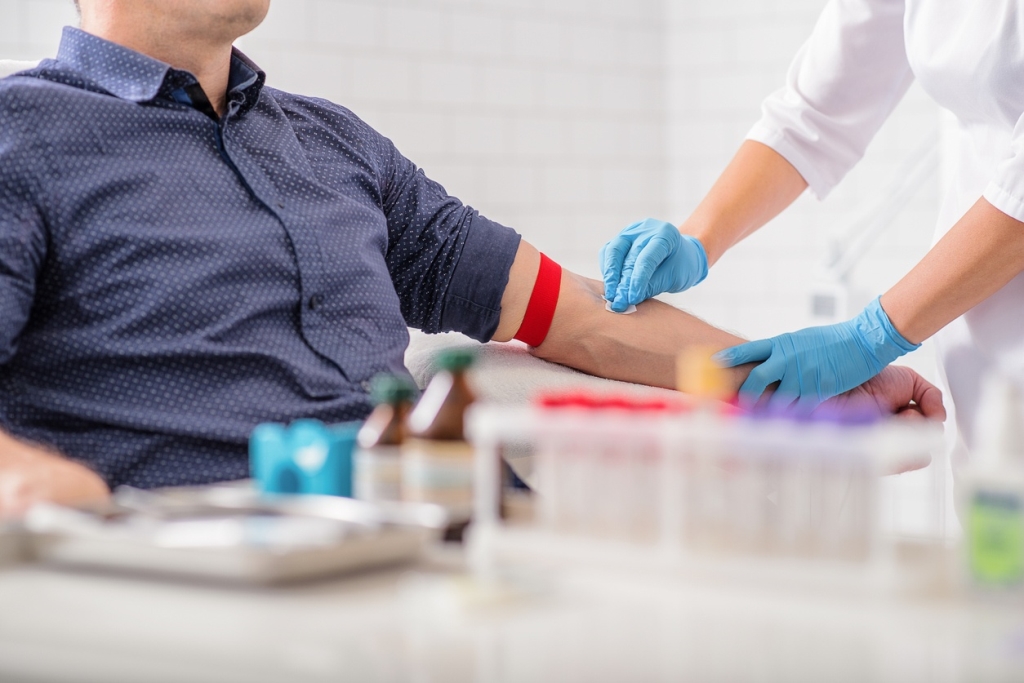
Mastering Phlebotomy Today: Essential Tips and Latest Advances in Blood Collection
Phlebotomy, the art and science of blood collection, remains a cornerstone of modern diagnostics and patient care. As healthcare continues to evolve with technological innovations and heightened safety standards, mastering phlebotomy is more crucial than ever. Whether you’re a budding medical professional, a seasoned technician, or a healthcare association aiming for excellence, staying updated on essential tips and recent advances can substantially enhance your practice.
Introduction
Blood collection is not just about drawing blood-it’s a meticulous process that requires precision, safety awareness, and excellent patient rapport. The need for accurate test results,patient comfort,and compliance with regulatory standards makes mastering phlebotomy a continuous journey. In this article, we explore practical tips, benefits of advanced techniques, recent innovations, and real-world insights to help you excel in blood collection today.
Why Mastering Phlebotomy Matters
- Accuracy in Diagnostics: Proper blood collection ensures reliable laboratory results, which are vital in diagnosing diseases.
- Patient Safety and Comfort: Skilled phlebotomists reduce the risk of complications and improve patient experience.
- Regulatory Compliance: Adherence to safety standards is essential for legal and ethical healthcare practice.
- career advancement: Expertise in blood collection opens up opportunities in various healthcare settings.
Essential tips for Effective Blood Collection
1. Proper Preparation and Equipment Setup
- Check Supplies: Ensure all necessary materials are sterile, functional, and readily available-needles, collection tubes, gloves, tourniquets, alcohol swabs, and bandages.
- Patient Identification: Double-check patient identity using at least two identifiers to prevent errors.
- Patient Comfort: Explain the procedure clearly to ease anxiety.
2. Selecting the Right Venipuncture Site
- Preferred veins: The median cubital vein is frequently enough the best choice due to its size and stability.
- Choice Sites: Cephalic or basilic veins if median vein isn’t accessible.
- Practice Caution: Avoid sites with scars, infections, or hematomas.
3. Technique and Safety Measures
- Proper Hand hygiene: Always wash your hands thoroughly before starting.
- Use of Personal Protective equipment (PPE): Gloves are essential to prevent infections.
- Venipuncture Angle: Keep the needle at a 15-30 degree angle for smooth entry.
- Tourniquet Request: Apply for no longer than 1 minute to prevent hemoconcentration.
4. Handling and Post-Collection Care
- Sample Handling: Mix samples gently if needed; label immediately with accurate information.
- Patient Care: Remove the tourniquet before withdrawing the needle; apply pressure to stop bleeding and provide comfort.
- Disposal: Dispose of sharps in proper puncture-proof containers.
latest Advances in Blood Collection techniques
1. Vacuum-Assisted Blood Collection Devices
Modern vacuum-powered systems reduce patient discomfort and streamline the blood draw process, increasing efficiency and safety.
2. Butterfly (winged) Sedation Systems
These thin, flexible needles facilitate easier access for small or difficult veins, notably in pediatric or geriatric patients.
3. Tourniquet Alternatives
Innovations like pneumatic cuffs provide better control and reduce patient discomfort during venipuncture.
4. Bedside and Point-of-Care blood Collection
Advancements in portable devices enable fast blood testing at the bedside, reducing the need for specimen transport and increasing turnaround time.
Benefits and Practical Tips for Modern Phlebotomy
| Benefit | Practical Tip |
|---|---|
| enhanced Patient Comfort | Use smaller gauge needles and apply gentle techniques. |
| Improved Safety | Always adhere to strict hygiene and PPE protocols. |
| Faster Results | Utilize point-of-care devices for immediate testing when appropriate. |
| Reduced Error Rates | Double-check labels and patient info before collection. |
Case Study: How Advanced Phlebotomy Techniques Improve Outcomes
In a regional hospital, implementing vacuum-assisted blood collection devices reduced patient discomfort by 30% and decreased specimen rejection rates by 20%. Training programs emphasizing patient communication and new equipment handling techniques enhanced overall staff competency, leading to faster diagnostics and improved patient satisfaction.
Frist-Hand Experience: Lessons from the Field
One seasoned phlebotomist shares that building rapport and maintaining a calm demeanor significantly reduces patient anxiety. using the latest winged infusion sets and adhering to strict safety protocols has not only increased success rates but also minimized complications like hematomas or needlestick injuries.
Conclusion
Mastering phlebotomy today encompasses more than just drawing blood-it involves embracing technological innovations, adhering to safety standards, and honing patient-centered skills. By applying essential tips, staying informed about the latest advances, and continuously practicing, healthcare professionals can ensure accurate diagnostics, enhance patient experience, and advance their careers in medical laboratory science. As the field continues to evolve rapidly, those committed to lifelong learning and quality improvement will lead the way in delivering superior healthcare services.