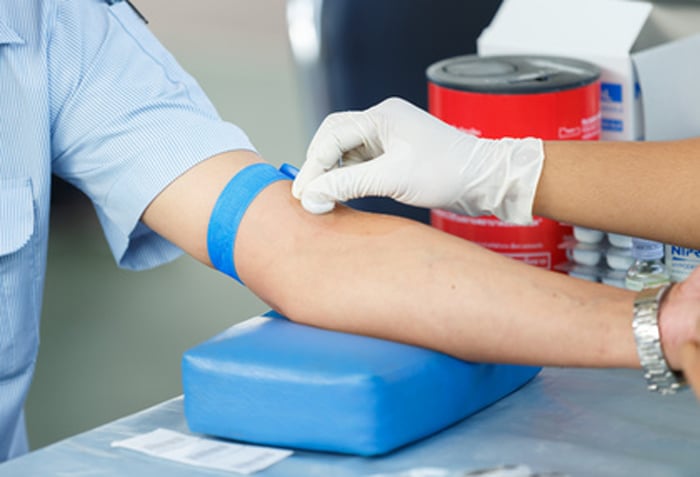
Mastering Phlebotomy Techniques: Essential Tips for Accurate Blood Collection
Introduction
Phlebotomy is a crucial skill in the medical field, involving the collection of blood samples for diagnostic testing. Mastering phlebotomy techniques is essential for healthcare professionals to ensure the accuracy of tests, maintain patient comfort, and adhere to safety standards. In this article, we will explore essential tips for accurate blood collection, delve into its benefits, and share practical insights from both experienced phlebotomists and case studies. Whether you’re a novice or looking to refine your skills, this guide is designed for you.
Understanding Phlebotomy
Phlebotomy, the process of drawing blood, is not just a routine task; it requires a blend of excellent technique, patient interaction, and knowledge of anatomy. The success of blood collection depends on various factors, including the choice of equipment, site selection, and proper technique.
Key components of Phlebotomy
- Equipment: Choosing the right needles, tubes, and other accessories crucial for efficient blood collection.
- Technique: Employing proper techniques to minimize discomfort and avoid complications.
- Patient Interaction: building rapport with patients to alleviate anxiety and ensure cooperation.
- Safety Procedures: Adhering to safety protocols to protect both the patient and the phlebotomist.
Essential Tips for Accurate Blood Collection
1. Prepare the Patient
Before starting the blood draw,it’s essential to prepare the patient. Inform them about the procedure to reduce anxiety.Ask them to stay hydrated and recommend wearing loose-fitting clothing to access the arm easily.
2. Select the Right Site
The antecubital fossa, or the bend of the elbow, is the most common site for venipuncture due to its large veins. Though, always assess the patient’s veins:
- Look for visible veins that are straight and prominent.
- Avoid veins that feel hard or are close to arteries.
3. properly Clean the Site
Use an alcohol swab to clean the puncture site. allow the area to dry fully to prevent stinging and ensure the alcohol doesn’t interfere with test results.
4. Use the Right Technique
Hold the needle at a 15 to 30-degree angle to the skin for the best results. Insert it quickly but gently to minimize discomfort. After entering the vein, reduce the angle to about 10 degrees to maximize blood flow.
5. Fill the Tubes in the Correct Order
Follow the proper order of draw to prevent cross-contamination of additives that can affect test results. A simple table below outlines the common tube colors and the order of draw.
| Tube Color | Additive |
|---|---|
| Yellow | Sodium Polyanethol Sulfonate (SPS) |
| Light Blue | Sodium Citrate |
| Red | No additive |
| Green | Sodium Heparin |
| Lavender | EDTA |
| Gray | Sodium Fluoride |
6.Maintain Proper Pressure After Withdrawal
After drawing the blood, apply gentle pressure to the site to prevent bruising. Remove the needle swiftly and safely, and cover the puncture site with a gauze pad.
The Benefits of Mastering Phlebotomy Techniques
Mastering phlebotomy techniques carries several benefits:
- Increased Accuracy: Reduces the likelihood of hemolysis or contamination, ensuring reliable test results.
- Improved Patient Experience: Minimizes discomfort and anxiety, leading to better patient retention and care.
- Professional Development: Enhances your skills as a healthcare professional and opens up new career opportunities.
- Safety Compliance: Adheres to safety regulations, protecting both staff and patients from potential hazards.
Case Studies: Real-Life Experiences
Learning from experienced professionals can provide invaluable insights. Here are a couple of case studies illustrating the importance of mastering phlebotomy techniques:
Case study 1: The Impact of Technique on Patient Comfort
A study conducted in a busy hospital revealed that phlebotomists who utilized proper site selection and anesthesia reported a 30% decrease in patient discomfort scores compared to those who did not.
Case Study 2: Training and Accuracy
A training program focusing on advanced phlebotomy techniques resulted in a meaningful betterment in the accuracy of blood draws. The hospital reported a 25% decrease in repeat draws, showcasing the importance of continuous education and skill improvement.
Conclusion
Mastering phlebotomy techniques is essential for anyone involved in blood collection.By adhering to the practical tips and insights shared in this article, you can increase your accuracy, enhance patient comfort, and ensure compliance with safety standards. Continued education and practice are key to becoming proficient in this critical skill. Embrace the journey to becoming a phlebotomy expert, and make a positive impact on patient care and diagnostic accuracy today!