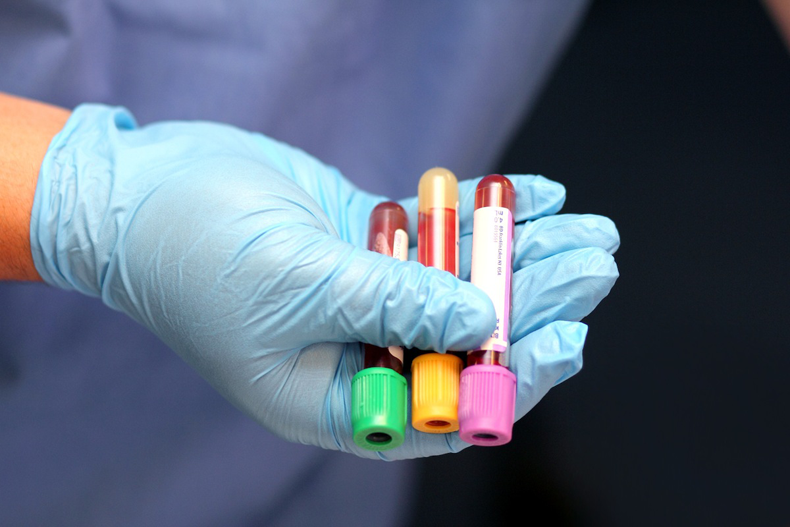
Mastering Phlebotomy Techniques: Essential Skills for Accurate Blood Collection & Patient Care
welcome to the complete guide on mastering phlebotomy techniques! whether you’re an aspiring phlebotomist, a seasoned healthcare professional, or simply interested in understanding the art of blood collection, this article covers everything you need to know. Accurate blood collection not only ensures reliable lab results but also considerably impacts patient safety and comfort. Let’s delve into the essential skills, practical tips, and best practices for excelling in phlebotomy.
Introduction
Phlebotomy is more than just drawing blood; it’s a vital clinical procedure requiring precision, care, and professionalism. Proper technique reduces the risk of complications like hematomas, infections, or inaccurate test results. Mastering these skills is crucial for healthcare providers to deliver quality patient care, maintain safety standards, and improve diagnostic accuracy.
Understanding the importance of Proper Blood Collection
Accurate blood collection is foundational for reliable laboratory testing. Mistakes can lead to invalid results, misdiagnosis, or the need for repeat procedures, causing patient discomfort and delaying treatment. Hence, proficiency in phlebotomy techniques directly impacts overall healthcare quality.
Essential Skills for Effective Phlebotomy
Developing core skills in phlebotomy ensures successful blood draws while minimizing patient discomfort and procedural errors.
1. Patient Identification and Planning
- Verifying patient identity: Confirm using two identifiers (name and date of birth).
- Explaining the procedure: Communicate clearly to reduce anxiety and gain cooperation.
- Gathering supplies: Ensure all equipment is ready and sterile.
2. proper Site Selection
- Choose accessible veins, usually the median cubital vein, cephalic vein, or basilic vein.
- Avoid sites with scars, infections, or hematomas.
- Consider patient-specific factors such as previous transfusions or edema.
3. Skillful Venipuncture technique
- Use the correct angle-generally 15-30 degrees-to puncture the vein.
- Apply gentle, steady pressure to prevent collapsing the vein.
- Control the depth and angle to access the vein efficiently.
4. Proper Tube Handling & Blood Collection
- Use the appropriate order of draw to prevent cross-contamination.
- Fill tubes smoothly without excessive vacuum or force.
- Mix blood samples gently if required, following tube manufacturer instructions.
5. Post-Procedure Care
- Apply firm pressure to the site to prevent bleeding or hematoma formation.
- Ensure the patient is cozy and inform them of post-collection instructions.
- Label all samples accurately immediately after collection.
benefits of Effective Phlebotomy Skills & Practical Tips
| Benefit | Practical Tip |
|---|---|
| Reduces sample rejection rates | Double-check patient details and sample labeling before disposal |
| Enhances patient experience | Use gentle technique and communicate throughout the procedure |
| Prevents complications like hematomas | Apply appropriate pressure and avoid probing multiple sites |
common Challenges & How to Overcome Them
Practicing phlebotomy proficiency involves troubleshooting typical issues like difficult veins or patient anxiety. Here are some strategies:
- Dealing with small or collapsed veins: Warm the site, apply tourniquet properly, or try choice veins.
- patient fainting or anxiety: Encourage relaxation, have them sit or lie down, and communicate clearly.
- Blood not flowing: reposition the needle, check the angle, or adjust the vacuum pressure.
Case Studies: Real-Life Examples of Successful Blood Collection
case Study 1: Improving First-Attempt Success Rate
A hospital observed a 20% reattempt rate for blood draws. By providing targeted training on vein palpation and needle handling, they reduced reattempts by 35%, improving patient satisfaction and lab efficiency.
Case Study 2: Managing Difficult Veins
A young patient with small veins required a special approach. Using a warming pad, a butterfly needle, and minimal tourniquet time, the phlebotomist successfully collected the sample on the first try, demonstrating adaptability and skill.
First-Hand experience: Insights from a Professional Phlebotomist
“Mastering the art of blood collection is all about patience, preparation, and practice. Paying attention to detail-like correct site selection and gentle technique-not only ensures accurate results but also builds trust with your patients. Each successful blood draw boosts confidence and hones your skills further.” – certified Phlebotomist Jane Doe
Additional Resources & Certification
To excel in phlebotomy, consider obtaining certification through recognized agencies such as the American Society for Clinical Pathology (ASCP) or National Phlebotomy Association (NPA). Ongoing education keeps you updated on the latest techniques and safety standards.
Conclusion
Mastering phlebotomy techniques is a vital skill for healthcare providers committed to delivering accurate laboratory results and superior patient care.By focusing on proper site selection, technique, patient interaction, and safety protocols, you can significantly improve the blood collection process. Remember, practice makes perfect-continuous learning, hands-on experience, and a patient-centric approach are the keys to becoming a proficient phlebotomist.
Invest in your skills,stay informed of the latest practices,and always prioritize patient comfort and safety. With dedication and expertise, you can excel in this essential healthcare role, contributing to improved diagnostics and patient outcomes.