Mastering Phlebotomy Techniques: Essential Guide for Aspiring Healthcare Professionals
As healthcare professionals,acquiring the right skills is crucial for providing quality patient care,especially in specialized areas like phlebotomy. Mastering phlebotomy techniques can open doors for aspiring healthcare workers eager too elevate their careers. In this extensive guide, we’ll delve into essential phlebotomy techniques, the benefits of phlebotomy training, practical tips for venipuncture, and real-life case studies to help you on your journey.
Understanding Phlebotomy
Phlebotomy is the practise of drawing blood from patients for various purposes, including diagnostics, transfusions, and donations.Phlebotomists play a critical role in the healthcare system—ensuring that the blood collection process is efficient and meaningful for patients and medical findings.
Essential Phlebotomy Techniques
1. Venipuncture
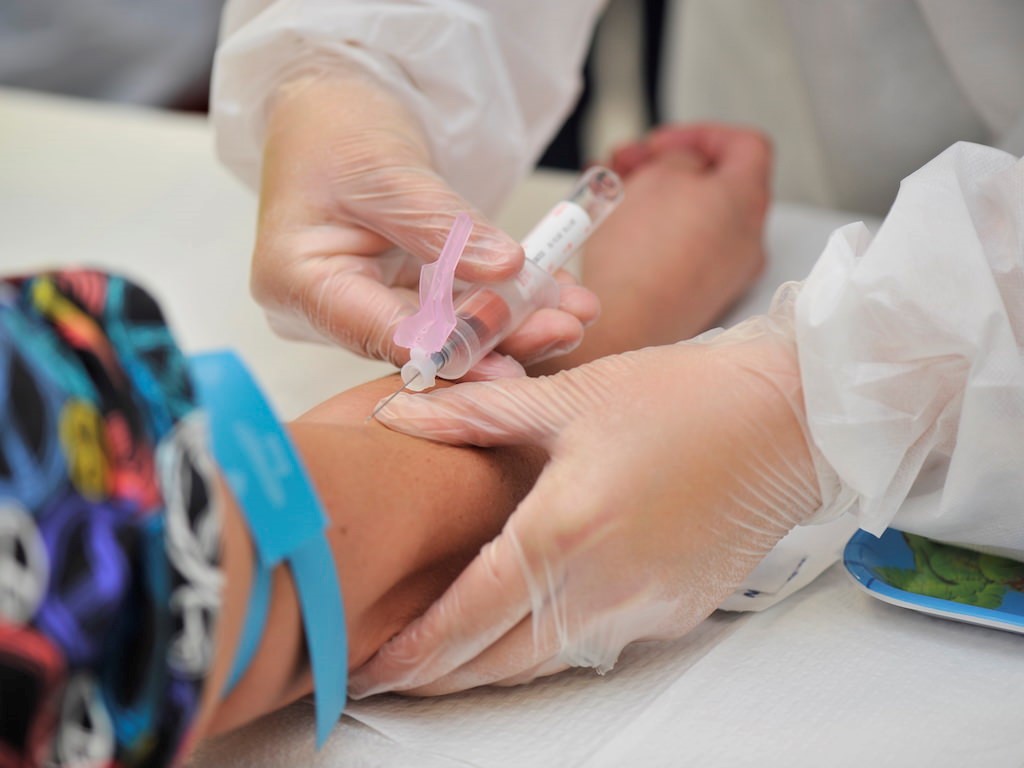
Venipuncture is the most common technique used in phlebotomy. It involves inserting a needle into a vein, typically in the inner elbow, to collect blood samples. Here’s how to perform venipuncture safely:
- Gather your supplies: gloves, alcohol swabs, needles, and collection tubes.
- Prepare the patient: explain the procedure and ensure thay are comfortable.
- Choose the right site: locate the vein and apply a tourniquet if needed.
- Insert the needle: angle the needle correctly and puncture the skin smoothly.
- Collect the blood: fill the tubes as required, then withdraw the needle.
2. Capillary Collection
This method is often utilized for infants or patients with difficult veins.It’s done via a fingerstick or heelstick. the steps include:
- Use a lancet to prick the skin.
- wipe away the first drop of blood.
- Collect blood in microcollection tubes.
3. Arterial Sampling
Less common then venipuncture, arterial sampling is used in specific diagnostic tests. Here’s a brief on how to do it:
- Locate an appropriate artery, often the radial artery.
- Use a larger needle for arterial blood.
- Apply pressure after drawing blood to prevent excess bleeding.
Benefits of Mastering Phlebotomy Techniques
Understanding phlebotomy techniques not only enhances your clinical skills but also offers numerous professional advantages:
- Career Opportunities: Phlebotomy is a viable career path with demands across laboratories, clinics, and hospitals.
- Patient Interaction: Phlebotomists often build rapport with patients, enhancing their overall care experience.
- Skill Utilization: An essential skill for multiple healthcare roles, mastering phlebotomy enhances your employability.
Practical Tips for Aspiring Phlebotomists
To help you effectively master phlebotomy techniques, here are practical tips:
- practice regularly: Hands-on practice is crucial to building confidence.
- Focus on communication: Always explain procedures to patients to ease their anxiety.
- Label correctly: Ensure accurate labeling of blood samples to prevent mix-ups.
- Maintain hygiene: Follow strict hygiene protocols to ensure safety.
- Stay calm and composed: Develop a soothing presence to help patients feel secure during the process.
Real-life Experiences
Case Study 1: Handling a Nervous Patient
A phlebotomy intern faced a challenging situation with a nervous patient who feared needles. The intern began with open dialog, addressing the patient’s concerns and walking them through the steps. By reassuring the patient and demonstrating the process, the intern successfully completed the venipuncture without complications.This experience highlights the significance of communication in mastering phlebotomy techniques.
Case Study 2: Complex Vein Access
Another case involved a patient with small veins.The intern had learned option techniques through training and decided to use a butterfly needle to minimize discomfort. This choice facilitated easier access and resulted in a successful blood draw, reinforcing the importance of understanding various techniques.
Conclusion
mastering phlebotomy techniques is essential for aspiring healthcare professionals wishing to excel in patient care. With a foundation built on effective methods, communication, and hands-on practice, you can ensure a successful career in phlebotomy. By applying the techniques discussed in this guide, you’ll develop the skills needed to draw blood effectively and compassionately, benefitting both you and your patients in the long run. Start your journey today and embrace the world of phlebotomy!