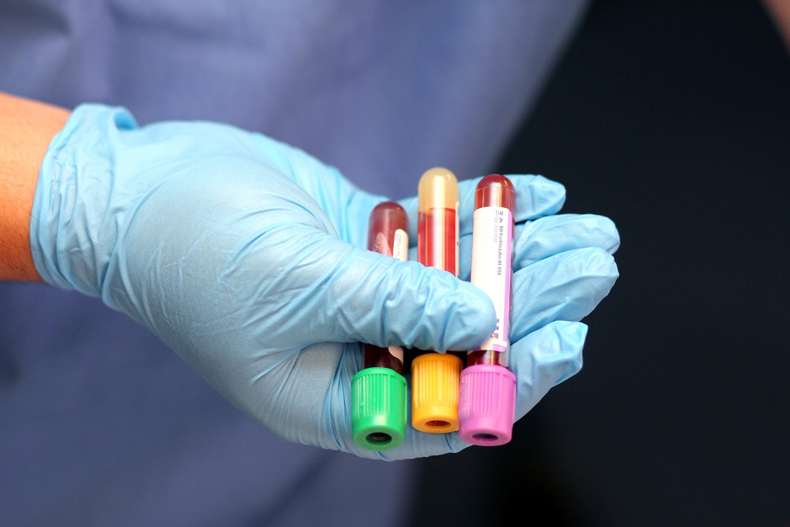
Mastering Phlebotomy Technique: Essential Tips for safe and Efficient Blood Collection
Phlebotomy,teh process of drawing blood for laboratory testing,diagnosis,or donation,is a critical skill within healthcare. proper technique not only guarantees the accuracy of test results but also ensures patient safety and comfort.Whether you are a novice or looking to refine your skills, mastering phlebotomy techniques is vital for delivering quality care. This thorough guide offers valuable tips, best practices, and insights to help you become confident and competent in blood collection procedures.
Understanding Phlebotomy: The Basics
Phlebotomy involves more than just drawing blood-it’s a delicate process that combines technical skill, patient interaction, and adherence to safety protocols. Proper knowledge of anatomy, equipment, and procedures is essential for success.
Key Benefits of Mastering Proper Blood Collection Techniques
- Accurate laboratory test results
- Enhanced patient safety and comfort
- Reduced risk of complications such as hematoma or infection
- Improved efficiency and workflow in healthcare settings
Essential Tips for Mastering Phlebotomy Techniques
1. Prepare Your Equipment and Surroundings
- Use high-quality, sterile supplies including needles, tubes, tourniquets, gloves, and antiseptics.
- Ensure the working area is clean, organized, and well-lit.
- Double-check your equipment before beginning to avoid delays or complications.
2. Identify and Prepare the Correct Site
Select the appropriate vein-generally the median cubital vein-by palpating the antecubital fossa.Consider patient history and specific conditions such as vein size or previous phlebotomy issues.
- Apply a tourniquet 3-4 inches above the site, not exceeding 1 minute.
- Instruct the patient to make a fist to bulge the vein, enhancing visibility and access.
3.Proper tourniquet Application
- Apply snugly but not too tight to restrict arterial flow.
- Limit the application to prevent discomfort or hemoconcentration.
- release the tourniquet promptly after blood flow begins.
4. Correct Needle and Tube Insertion Technique
| Step | Best Practice |
|---|---|
| Anchor the vein | hold the skin taut below the insertion site for stability. |
| Insert the needle at a proper angle | Insert at 15-30 degrees, bevel side up, smoothly and steadily. |
| Advance the collection tube | Attach the tube securely, ensuring a gentle, continuous flow. |
| Monitor blood flow | observe for adequate filling without forcing or excessive pressure. |
5. Minimize Patient Discomfort and Risks
- Use a gentle, confident puncture to reduce pain.
- Avoid multiple punctures; if unsuccessful, re-evaluate site or seek assistance.
- Withdraw the needle smoothly and apply pressure promptly after removal.
6. proper Post-Procedure Care
- Apply pressure with sterile gauze to prevent hematoma.
- Secure the site with a bandage and instruct the patient to keep it dry and clean.
- Dispose of sharps in approved containers and disinfect surfaces appropriately.
Advanced Techniques and Considerations
Refining your skills involves understanding advanced techniques such as:
- Performing blood draws in patients with difficult veins
- Handling pediatric or geriatric patients
- Managing patients with bleeding disorders or on anticoagulants
Continuous practice, ongoing education, and staying updated with guidelines from organizations like the Clinical and Laboratory Standards Institute (CLSI) are key to proficiency.
Practical Tips for Better Blood Collection
- Stay calm and communicate clearly with your patient to reduce anxiety.
- Use proper attire, including gloves, to maintain hygiene and safety.
- Prioritize patient comfort-ask about allergies or sensitivities.
- Label specimens immediately to ensure accurate test results.
- Document the procedure, noting any complications or difficulties.
Case Study: Boosting Success Rates in Blood Collection
| Challenge | Intervention | Outcome |
|---|---|---|
| Repeated failed attempts in patients with small veins | Used ultrasound guidance and improved site selection | Increased success rate by 30% |
| Pain reported by pediatric patients | Applied distraction techniques and smaller needles | Enhanced patient comfort and cooperation |
| high incidence of hematomas | Applied proper pressure and avoided excessive tourniquet time | Reduced hematoma cases significantly |
First-Hand Experience: Lessons Learned from Practice
Drawing blood is an art that improves with experience. Personal anecdotes often highlight the importance of patience, adaptability, and ongoing learning.For instance, I once encountered a patient with fragile veins; gentle palpation, smaller gauge needles, and calming communication led to a accomplished draw with minimal discomfort.Remember, every patient teaches you something new. Embrace challenges as opportunities for growth and skill refinement.
Conclusion
Mastering phlebotomy technique is essential for delivering safe, efficient, and patient-centered blood collection services. By adhering to best practices, continuously enhancing your skills, and prioritizing patient safety, you can significantly improve your performance and contribute to accurate diagnostics. Remember, proficiency in phlebotomy is a journey-commit to ongoing education, practice diligently, and always put your patients’ comfort and safety first. With these essential tips and strategies, you’ll be well on your way to becoming a confident and skilled phlebotomist.