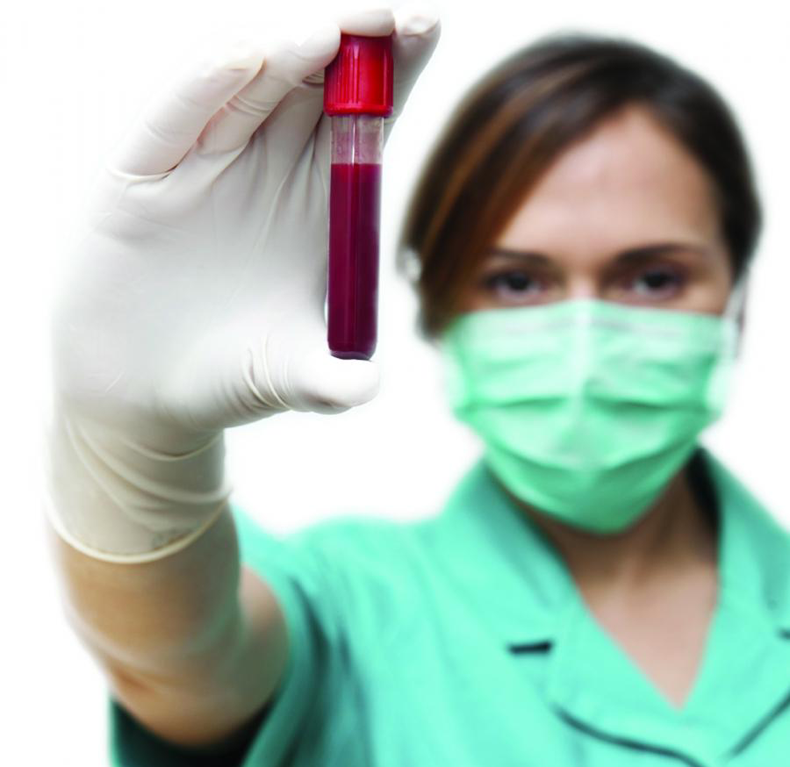
Mastering Phlebotomy Safety: Essential Tips for Protecting patients and Professionals
Phlebotomy, the practice of drawing blood for medical testing and donation, plays a pivotal role in healthcare. however, it also poses inherent risks to both patients and professionals. Understanding and implementing effective phlebotomy safety measures is crucial to ensuring a sterile, efficient, and safe experience for all parties involved. This article will explore essential tips, benefits, and real-world experiences related to phlebotomy safety.
Understanding Phlebotomy Safety
phlebotomy safety refers to the protocols and standards that minimize risks during blood collection. These protocols protect not only the patient from potential harm but also the healthcare professional from exposure to bloodborne pathogens and other hazardous materials. Below are some of the fundamental aspects of phlebotomy safety:
- Proper training and certification
- Use of personal protective equipment (PPE)
- Adherence to infection control standards
- Effective interaction with patients
Key Tips for Ensuring Phlebotomy Safety
1. Comprehensive Training and Certification
Before any professional can safely perform venipuncture, they must recieve adequate training. Certification programs ensure that phlebotomists understand anatomy, equipment usage, and techniques for minimizing risks.
2. Personal Protective Equipment (PPE)
PPE is essential in preventing exposure to contaminants. Here are the primary items phlebotomists should use:
- Disposable gloves
- Face masks
- protective gowns
- Safety goggles
3.Strict Adherence to Infection Control Measures
Infection control is vital in any healthcare setting.Follow these steps:
- Sanitize hands before and after each procedure.
- Use sterile equipment and supplies.
- Properly dispose of sharps and biohazard waste.
4. Effective communication with Patients
Caring for patients during phlebotomy can alleviate anxiety and ensure comfort. Here are tips for effective communication:
- Explain the procedure clearly.
- Obtain informed consent.
- Be empathetic and attentive to patient concerns.
5. Proper Site Readiness and Cleanup
Before performing venipuncture, ensure you prepare the site effectively:
- Clean the site with an alcohol swab.
- Use sterile equipment, including needles and blood collection tubes.
- Dispose of materials properly post-procedure.
Benefits of Mastering Phlebotomy Safety
By prioritizing phlebotomy safety, both patients and professionals can enjoy numerous benefits:
- Reduction in infection risk
- Increased patient trust and satisfaction
- Lowered probability of accidents and needle-stick injuries
- Compliance with legal and regulatory standards
Case Studies: Real-World examples of Phlebotomy Safety
| Case Study | Outcome |
|---|---|
| Hospital A implemented a new training program. | Enjoyed a 30% reduction in needle-stick injuries. |
| Clinic B adopted an electronic health record system. | Improved patient tracking and decreased errors. |
| Health System C enforced strict PPE usage policies. | 100% compliance,leading to zero infections. |
First-Hand Experiences: Voices from the Field
hearing from professionals in the field can provide insightful perspectives. Here are a few personal accounts:
“Since implementing more thorough training on safety protocols, I’ve felt more confident during procedures!” – Jane, Certified Phlebotomist
“Patients appreciate when we communicate clearly about what they can expect. This not only calms them but also helps us do our jobs more effectively.” – Mark, Senior Nurse Practitioner
Conclusion
Mastering phlebotomy safety is imperative in today’s healthcare environment.By incorporating comprehensive training, utilizing personal protective equipment, and following strict infection control protocols, medical professionals can effectively protect both patients and themselves. The benefits are clear: improved patient trust, reduced risks, and a safer, more efficient blood collection process. By staying informed and committed to safety best practices, we can enhance the quality of care in health facilities across the globe.