Mastering Phlebotomy Laboratory Skills: Essential Tips for Accurate Blood Collection and Diagnosis
In the realm of diagnostic healthcare, phlebotomy is a foundational skill that directly impacts patient outcomes and the accuracy of laboratory results.Whether you’re a budding medical assistant, a seasoned phlebotomist, or a healthcare professional seeking to refine your skills, mastering blood collection techniques is vital. This comprehensive guide provides valuable tips, practical strategies, and best practices to enhance your proficiency in phlebotomy laboratory skills, ensuring accurate blood collection and reliable diagnoses.
Introduction
Phlebotomy, the practice of drawing blood for laboratory testing, is more then just puncturing a vein; it’s an art that demands precision, patience, and a thorough understanding of anatomy and patient care. Proper technique prevents complications, reduces patient discomfort, and guarantees specimen integrity – all critical factors in achieving accurate diagnosis. Improving your phlebotomy skills can considerably contribute to the efficiency of healthcare delivery and patient satisfaction.
Understanding the Importance of Accurate Blood Collection
Accurate blood collection is essential for dependable laboratory results, which influence diagnosis, treatment plans, and disease monitoring. Errors during phlebotomy, such as hemolysis, contamination, or improper labeling, can lead to misdiagnosis, delayed treatment, and increased healthcare costs. therefore, honing your skills is not just about proficiency-it’s about patient safety and the integrity of diagnostic testing.
Key Components of Mastering Phlebotomy Skills
1. Proper Patient Identification
- Verify patient identity using two identifiers (e.g., name and date of birth).
- confirm the test requirements with the patient or healthcare provider.
2. Selecting the Appropriate Equipment
- Use the correct gauge needle based on patient vein size and test requirements.
- Choose the right collection tubes (e.g., serum, plasma, whole blood).
- Prepare all necessary supplies beforehand-alcohol swabs, tourniquet, gloves, cotton balls, and labels.
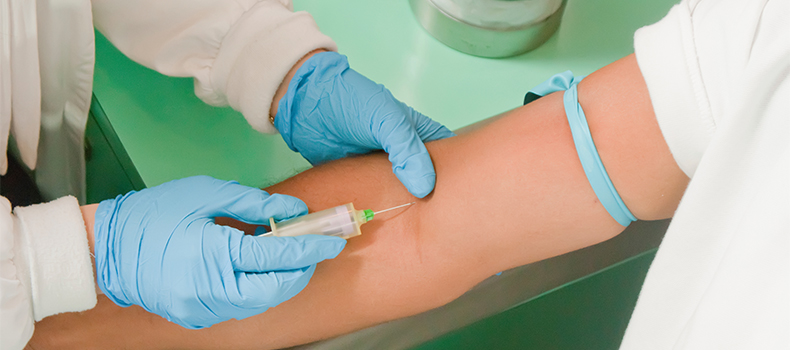
3. Mastering Venipuncture Technique
| Step | Description |
|---|---|
| Patient positioning | Ensure the patient is comfortable; extend the arm with veins accessible. |
| Applying tourniquet | Place it 3-4 inches above the vein to engorge veins but avoid excessive tightness. |
| Finding the vein | Palpate for a resilient, straight vein, usually in the antecubital fossa. |
| cleaning the site | Use an alcohol swab and allow it to air dry to prevent contamination. |
| Venipuncture | Insert the needle at a 15-30 degree angle, bevel up, smoothly and confidently. |
| Collecting blood | Attach collection tubes in order, filling them as required. | Removing the needle | Release tourniquet before withdrawing the needle, then apply pressure to the site. |
4. Proper Sample Handling and Labeling
- Mix specimens gently if required (e.g., invert tubes).
- Label samples promptly with patient details, date, and time.
- Follow transport and storage guidelines to preserve sample integrity.
5. Ensuring Safety and infection Control
- Wear gloves and personal protective equipment at all times.
- Dispose of sharps in puncture-proof containers.
- Decontaminate surfaces and equipment after procedures.
benefits of Mastering Phlebotomy Skills
- Enhanced patient comfort and safety
- Reliable laboratory results
- Reduced specimen rejections and repeat procedures
- Increased confidence and professionalism
- Career advancement opportunities in healthcare
Practical Tips for effective Blood Collection
- Stay Calm and Patient: Anxiety can cause veins to collapse or obscure your view.
- Practice Proper Technique: Precision reduces complications.
- Communicate Clearly: Inform the patient about the procedure to alleviate fears.
- Maintain Equipment Readiness: Have all supplies organized before starting.
- Monitor for Complications: Watch for hematoma, fainting, or pain during the procedure.
Case Study: Improving Blood Collection Accuracy
In a hospital setting, repeated specimen rejections led to delays in diagnosis. The phlebotomy team implemented comprehensive training focused on vein selection, patient positioning, and sample handling. Post-training, specimen rejection rates decreased by 30%, and laboratory turnaround time improved significantly. This case underscores how mastering foundational skills directly benefits clinical outcomes.
First-Hand Experience: Lessons from the Field
During my early days as a phlebotomist, I learned that patience and attention to detail are paramount. Remembering to verify patient identity,selecting the right vein,and maintaining aseptic technique made all the difference in accomplished blood draws. Consistent practice and ongoing learning help refine these skills, leading to more confident and accurate blood collection experiences.
Conclusion
Mastering phlebotomy laboratory skills is a critical component of quality healthcare. Precise blood collection methods, adherence to safety protocols, and effective patient interaction are essential for producing accurate laboratory results that guide diagnosis and treatment. By incorporating the essential tips and best practices outlined in this guide,healthcare professionals can enhance their proficiency,improve patient satisfaction,and contribute to better health outcomes.Continual learning and practical experience stand at the core of becoming a skilled and reliable phlebotomist.