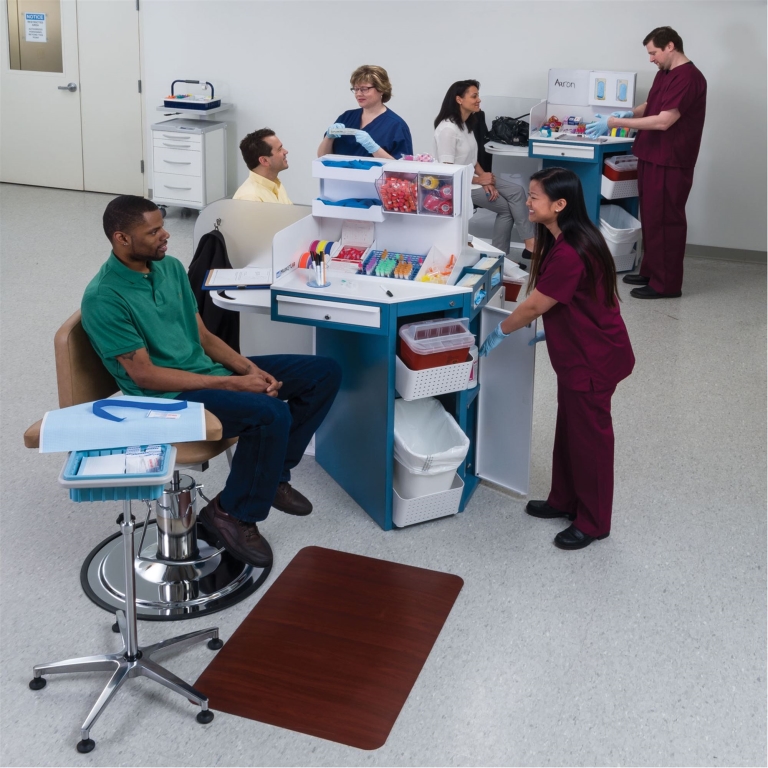
Mastering Phlebotomy: Essential Study Tips & insights to Boost Your Blood Collection Skills
Introduction
Embarking on a journey to become a skilled phlebotomist requires more than just basic knowledge - it demands a combination of practical expertise, confidence, and continuous learning. Phlebotomy, the art of drawing blood for laboratory testing, is a critical skill in healthcare that directly impacts patient care and diagnosis accuracy. whether you’re preparing for certification, advancing your proficiency, or seeking to refine your technique, mastering phlebotomy involves strategic study tips, hands-on practice, and insightful tips. This comprehensive guide offers valuable insights, proven study strategies, and real-world tips to help you excel in blood collection skills and become a confident phlebotomist.
Understanding the Fundamentals of Phlebotomy
Before diving into advanced techniques and study tips, it’s essential to understand the core principles of phlebotomy – anatomy, safety protocols, equipment handling, and patient communication. Building a solid foundation ensures safe and effective blood collection that minimizes patient discomfort and maximizes sample integrity.
effective Study Tips for Aspiring Phlebotomists
1. Develop a Study Schedule
Consistency is key. Create a structured study schedule that covers all vital topics like anatomy, venipuncture techniques, infection control, and patient care. Use calendars or planners to allocate regular study sessions, ensuring steady progress and minimizing last-minute cramming.
2. Utilize Quality Learning Resources
invest in reputable textbooks, online courses, and instructional videos. Resources like the ASCP (American Society for Clinical Pathology) and NAACLS (National Accrediting Agency for Clinical Laboratory Sciences) offer comprehensive learning materials that align with certification standards.
3. Practice with Hands-On Simulations
Practical practice is vital for mastering venipuncture. Utilize simulation kits, mannequins, or mentored clinical experiences to develop your skillset. Repetition solidifies your technique and enhances confidence.
4. Focus on Anatomy & Equipment Familiarity
Understanding vein anatomy and proper equipment handling helps in avoiding complications. Study diagrams, and practice identifying suitable veins for venipuncture.
5. Reinforce Learning with Quizzes & Flashcards
Test your knowledge with quizzes and flashcards covering key concepts such as blood draw procedures, patient safety protocols, and emergency response. This reinforces memory retention and exam readiness.
practical Tips to Enhance Blood Collection Skills
1. Master the Tourniquet Submission
Proper tourniquet application enhances vein visibility without causing discomfort.Apply it snugly but not too tight,usually about 3-4 inches above the puncture site.
2. Choosing the Right Equipment
Select appropriate needles, tubes, and collection devices. Use the correct gauge needle (typically 21-23 gauge) for adult venipuncture to ensure a smooth, pain-minimized procedure.
3. Proper Patient Positioning & Comfort
Ensure the patient is seated comfortably, with the arm extended and supported.Clear communication and gentle reassurance build trust and ease apprehensions.
4. Technique & Needle Insertion
Insert the needle at a 15-30 degree angle, smooth and steady. Stabilize the vein, and avoid excessive probing.
5. Post-Procedure Care
Apply pressure immediately after tube removal to prevent hematoma, then secure the site with a bandage.Inform the patient about aftercare and observe for any adverse reactions.
Benefits of mastering Phlebotomy
- Enhanced Patient Safety: Proper techniques reduce risks of complications like hematomas, nerve injury, or infections.
- Increased Confidence & Efficiency: Skilled phlebotomists perform procedures swiftly, reducing patient discomfort and appointment time.
- Career Advancement: Certification and proficiency open doors to diverse healthcare roles and specialties.
- Improved Sample Quality: Correct blood collection ensures accurate lab results, critical for diagnosis and treatment planning.
Real-World Case Studies: Lessons from Experience
Examining practical scenarios helps reinforce learning and prepares you for real-life challenges. Here are a couple of brief case studies:
Case Study 1: Overcoming Difficult veins
A patient with dehydrated veins presented a challenge. The beginner phlebotomist employed gentle tourniquet application, used a hematoma prevention technique, and located a suitable vein on the first attempt. This experience underscored the importance of patience, methodical approach, and anatomical knowledge.
Case Study 2: Managing a Fainting Patient
During a blood draw, the patient began to feel faint. The phlebotomist responded quickly by stopping the procedure, helping the patient to lie down, and providing reassurance.This incident emphasized the importance of patient monitoring and emergency preparedness.
First-Hand Experience & Tips from Seasoned Phlebotomists
Learning from professionals who have navigated the challenges of blood collection can provide invaluable insights. Here are some tips shared:
- Always verify patient identity before performing any procedure.
- Maintain aseptic technique to prevent infections.
- Stay calm and communicate clearly throughout the process.
- Be adaptable – some patients may need special accommodations.
- Reflect on each procedure to identify areas for improvement.
Conclusion
Mastering phlebotomy is both an art and a science that combines technical proficiency with compassionate patient care.Through dedicated study, practical experience, and continuous learning, you can substantially boost your blood collection skills. remember, each accomplished blood draw not only enhances your confidence but also contributes to better patient outcomes. Embrace the learning process, apply proven tips, and stay committed to excellence in this vital healthcare skill. With perseverance and attention to detail, you’ll become a proficient, reliable, and compassionate phlebotomist ready to excel in your professional journey.
Useful Resources & Further Reading
| Resource | Link | Description |
|---|---|---|
| CDC Blood Collection Guidelines | https://www.cdc.gov/bloodeducation/ | Official guidelines on safe blood collection practices. |
| Phlebotomy Certification Prep | https://www.americanmedtech.org/ | Resources for exam preparation and certification. |
| Venipuncture Technique Videos | YouTube Playlist | Visual tutorials on blood draw techniques. |