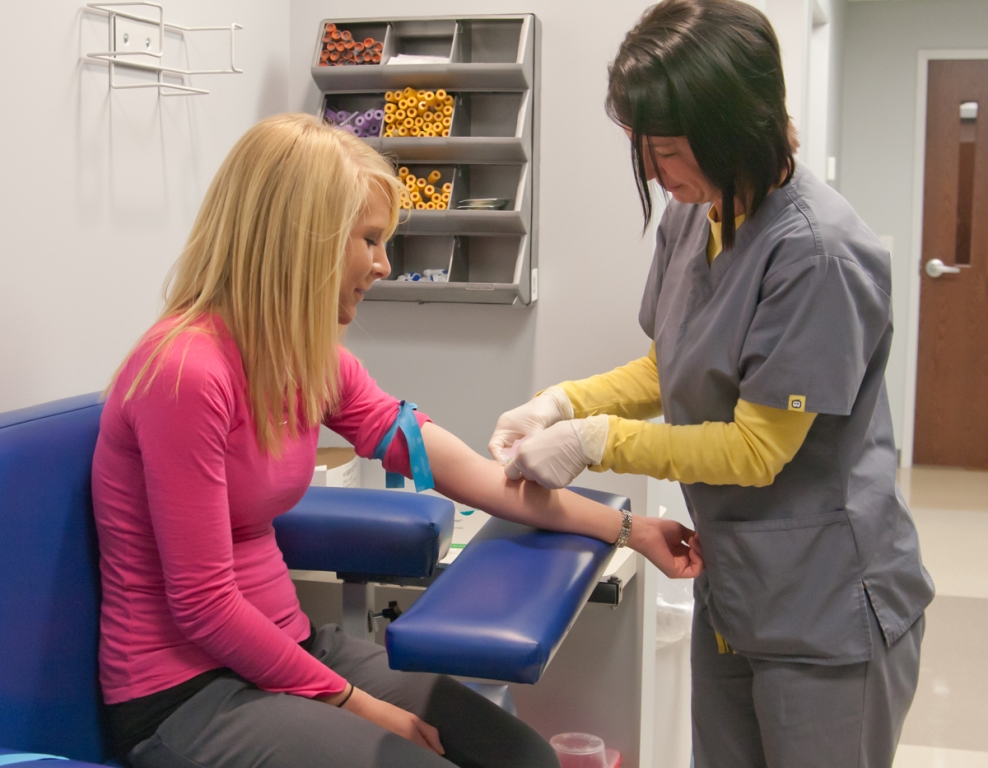
Mastering NCCT Phlebotomy: Essential Techniques and Certification Tips for Aspiring Professionals
Introduction
In the medical field, mastering phlebotomy is crucial for aspiring healthcare professionals. It is not just about drawing blood; it involves understanding anatomy, ensuring patient safety, and maintaining quality standards. The NCCT Phlebotomy certification equips you wiht the skills necessary for success in this essential role. This extensive guide will provide you with essential techniques and valuable certification tips to empower your career in phlebotomy.
Understanding the Role of a Phlebotomist
Phlebotomists play a vital role in patient care. Their responsibilities include:
- Collecting blood samples for laboratory testing.
- Preparing patients for venipuncture.
- Ensuring patient comfort and safety.
- Maintaining equipment and workspaces for safety and cleanliness.
- Documenting patient information accurately.
NCCT Phlebotomy Certification Overview
The National Center for Competency Testing (NCCT) offers a widely recognized certification for phlebotomists.This certification validates your skills and knowledge in phlebotomy, making you a competitive candidate in the job market. Here are the steps to obtain your NCCT certification:
- Meet eligibility requirements, including educational background.
- Complete a phlebotomy training program.
- Schedule and pass the NCCT certification exam.
- Maintain certification through continuing education.
Essential Phlebotomy Techniques
Mastering phlebotomy requires a thorough understanding of key techniques. Here are the most notable ones:
1. Venipuncture
Venipuncture is the process of accessing the vein to draw blood. Key points to consider:
- Choose the correct site (typically the antecubital fossa).
- Use the appropriate needle size (21-23 gauge is common).
- Adhere to the proper angle of insertion (15-30 degrees).
2. Capillary Collection
Capillary collection is used for small blood samples from infants or for specific tests:
- Puncture the skin at the correct site (the heel or fingertip).
- Ensure to use a sterile lancet and wipe away the first drop of blood.
3. Properly Labeling Samples
Accurate labeling is crucial to avoid mix-ups in the laboratory:
- Label each sample promptly after collection.
- Include patient’s name, date of birth, and time of collection.
Benefits of NCCT Phlebotomy Certification
Obtaining your NCCT Phlebotomy certification brings numerous benefits:
- Increased job opportunities and salary potential.
- Recognition of your skills and knowledge by employers.
- Access to more specialized roles within the healthcare industry.
Tips for Passing the NCCT Phlebotomy Exam
Preparing for the NCCT exam can be daunting. Here are some practical tips to help you succeed:
1. Study Effectively
Utilize a variety of study materials, including:
- Textbooks on phlebotomy.
- Online resources and practice exams.
- Study groups with peers.
2. Take Practice Exams
Practice exams can help familiarize you with the question format and timing of the actual test.
3. Understand Clinical Skills
A thorough understanding of clinical procedures and patient interactions is essential. Consider hands-on practice sessions if possible.
First-Hand Experience: A Case Study
Meet Sarah, an aspiring phlebotomist who recently completed her NCCT certification:
“the training was challenging, but understanding the anatomy and practicing my needle techniques made all the difference. When I passed my NCCT exam, I felt a sense of accomplishment that propelled my confidence!”
Conclusion
Mastering the essential techniques of phlebotomy and obtaining your NCCT certification can significantly enhance your career prospects in the healthcare field. With diligent planning, a commitment to practice, and a passion for patient care, you can excel as a certified phlebotomist. Embrace this rewarding journey and contribute positively to the health and well-being of your community.