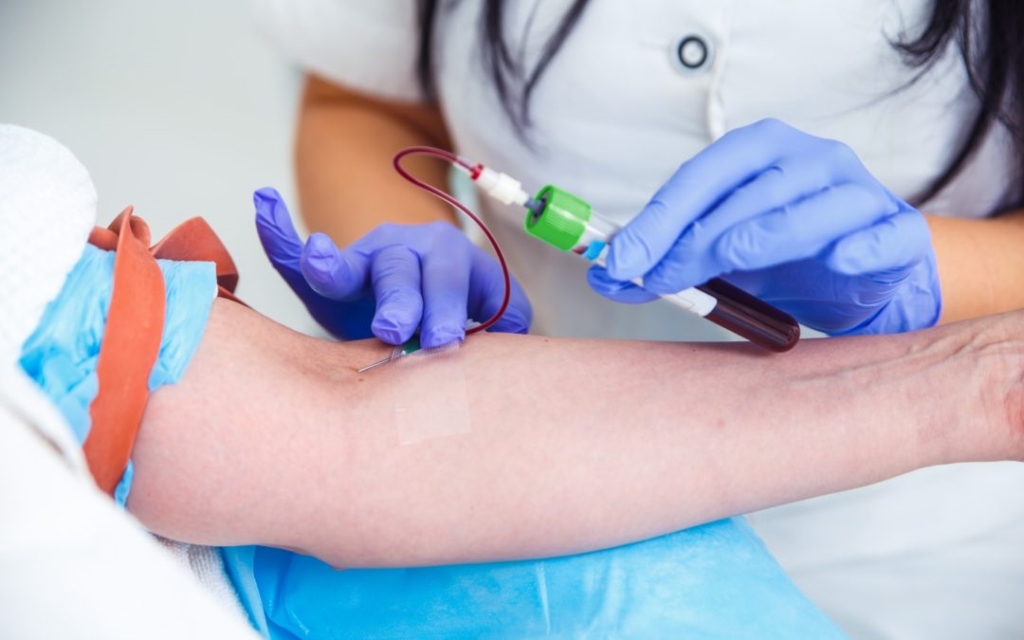
mastering Essential Phlebotomist Skills: The Key to Accurate Blood Collection and patient Care
In the fast-evolving world of healthcare, phlebotomists play a critical role in ensuring accurate diagnosis and effective patient treatment. mastering essential skills as a phlebotomist not only enhances blood collection accuracy but also fosters patient trust and safety. Whether you’re starting your career or seeking to refine your expertise,understanding the core competencies that define a skilled phlebotomist is vital for success.
Introduction
Phlebotomy-the process of drawing blood-is more than just inserting a needle into a vein; it requires a delicate balance of technical skills, ethical practices, and empathetic patient care. Effective phlebotomists are vital in healthcare systems, supporting physicians and laboratories with precise blood testing. This extensive guide explores the essential skills every phlebotomist must master, practical tips to improve your practice, and the benefits of becoming proficient in blood collection techniques.
Why Mastering Phlebotomist Skills Matters
- Ensures diagnostic accuracy: Proper blood collection minimizes errors that could lead to misdiagnosis.
- Enhances patient safety: Correct techniques reduce discomfort, prevent complications like hematomas, and ensure patient well-being.
- Builds patient trust: Skilled and compassionate practice improves patient experience and cooperation.
- Advances career prospects: Competency in phlebotomy opens opportunities for specialization and leadership.
Core Skills Every Phlebotomist Must Develop
1.Knowledge of Anatomy and Physiology
An in-depth understanding of blood vessel anatomy is fundamental.Recognizing veins suitable for blood draws,such as the median cubital vein,is essential for efficient and safe procedures.
2. Proper Use of Equipment
Mastering the handling of various needles, tourniquets, collection tubes, and safety devices ensures safe and effective blood collection.
3. Site Selection and Patient Planning
- Choosing the right vein based on patient anatomy and condition.
- Preparing the site by cleaning and positioning the patient comfortably.
4. Blood Collection techniques
Key techniques include:
- Proper vein puncture methods.
- Maintaining the correct angle (usually 15-30 degrees).
- Ensuring smooth needle insertion and withdrawal.
5. Handling and Labeling Specimens
Accurate specimen labeling, handling, and timely transport are crucial to preserving sample integrity.
6.Ensuring Patient Comfort and Safety
- Providing clear instructions and emotional support.
- Monitoring for adverse reactions.
- Practicing infection control and safety protocols.
Practical Tips for Improving Phlebotomy Skills
- Practice regularly: Hands-on experience sharpens technical skills.
- Stay updated: Keep abreast of new equipment, techniques, and safety standards.
- Develop good dialog skills: Clear explanations reduce patient anxiety.
- Use proper technique: Avoid common mistakes like excessive probing or poor tube handling.
- Maintain a clean environment: Follow strict sterilization and infection control measures.
Benefits of mastering Phlebotomy Skills
| Benefit | description |
|---|---|
| Accurate Diagnosis | Reliable blood samples lead to correct medical decisions. |
| Enhanced Patient Experience | Less discomfort and anxiety improve overall satisfaction. |
| Career Advancement | Proficiency opens doors for specialization and leadership roles. |
Real-Life Case study: The Impact of Skill on Patient Care
In a busy outpatient clinic, a seasoned phlebotomist noticed a patient with tough veins. Using advanced site selection and patient communication skills, she successfully obtained the blood sample on her first try, minimizing patient discomfort.the patient expressed appreciation for the professional approach, highlighting how skill and empathy foster trust and cooperative care.
First-Hand Experience: Lessons from the Field
Manny skilled phlebotomists agree that continuous learning and attention to detail are key. From mastering tourniquet request to understanding patient cues, real-world experiences reinforce the importance of competence and compassion. Regular training,mentorship,and feedback help develop mastery over essential skills.
Conclusion
Mastering essential phlebotomist skills is a cornerstone of successful blood collection and superior patient care. by honing your anatomical knowledge, technical proficiency, and interpersonal abilities, you can improve diagnostic accuracy, enhance patient safety, and advance your healthcare career.Remember that continuous practice and commitment to learning are the pathways to becoming an outstanding phlebotomist. Invest in your skills today, and make a meaningful difference in patients’ lives with every blood draw.