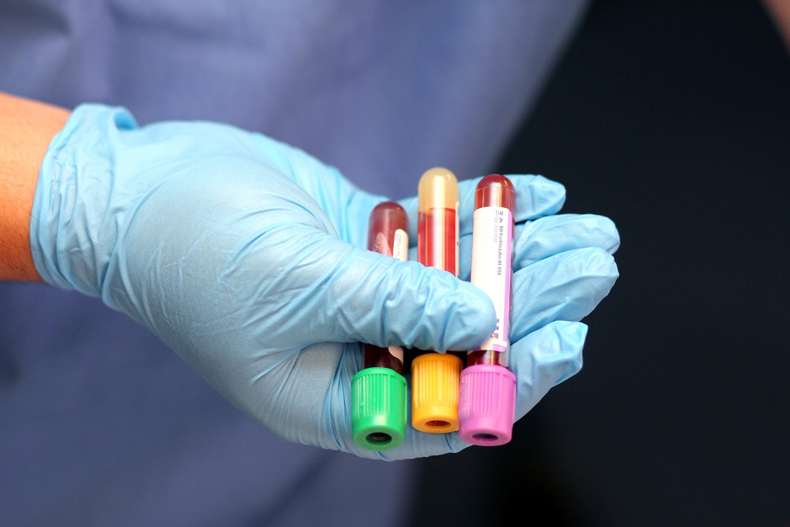
Mastering EKG Phlebotomy: Key skills, Techniques, and Tips for Healthcare Professionals
Electrocardiogram (EKG or ECG) phlebotomy is a critical skill for healthcare professionals involved in cardiac care, diagnostics, and patient monitoring. Combining the art of phlebotomy with an understanding of EKG procedures enhances patient safety and diagnostic accuracy. Whether you’re a budding phlebotomist or an experienced nurse looking to refine your skills, mastering EKG phlebotomy is essential for providing high-quality care.
Introduction
In the dynamic world of healthcare, precision and expertise are paramount.EKG phlebotomy bridges two vital areas: blood collection and cardiac monitoring.Proper technique ensures reliable EKG readings,minimizes patient discomfort,and prevents complications. This thorough guide will explore the key skills, essential techniques, practical tips, and benefits of mastering EKG phlebotomy, empowering healthcare professionals to excel in this specialized field.
Understanding the Importance of EKG Phlebotomy
EKG phlebotomy isn’t just about drawing blood-it’s about integrating blood collection with cardiac assessment to facilitate timely and accurate diagnosis of heart conditions such as arrhythmias, ischemia, or myocardial infarction. Properly executed EKG phlebotomy improves the overall quality of patient care:
- Enhances accuracy of cardiac diagnostics
- Reduces patient discomfort and anxiety
- Prevents procedural complications
- Supports comprehensive patient assessment
Key Skills Required for Mastering EKG Phlebotomy
Success in EKG phlebotomy hinges on several core skills:
- Knowledge of Anatomy: Understanding vascular anatomy ensures effective venipuncture.
- EKG Interpretation Skills: Basic knowledge of EKG waveforms and rhythms helps identify issues early.
- Patient Communication: Explaining procedures eases patient anxiety.
- Steady Hand and Precision: Essential for accurate blood draw and electrode placement.
- Attention to Detail: Correct electrode placement and proper sample handling are critical.
Essential Techniques in EKG Phlebotomy
Preparation Stage
- Gather all necessary supplies: gloves, alcohol swabs, tourniquet, needles, collection tubes, ECG electrodes, and adhesives.
- Confirm patient identity and explain the procedure clearly.
- Ensure the patient is cozy and in a relaxed position.
Blood Collection Procedure
- Apply the tourniquet 3-4 inches above the intended venipuncture site.
- Identify a suitable vein, typically in the antecubital fossa.
- Cleanse the site with an alcohol swab and allow it to dry.
- Insert the needle at a 15-30 degree angle, bevel up.
- Fill the collection tubes, ensuring proper order of draw.
- Release the tourniquet before withdrawing the needle.
- Apply pressure to the site with a sterile gauze and secure with adhesive.
EKG Electrode Placement
- Remove any chest hair or debris that might interfere with electrode contact.
- Place electrodes accurately according to standard limb and precordial positions.
- Ensure good skin contact by lightly abrading the skin if necessary.
- Use proper adhesives to avoid electrode movement during recording.
Practical Tips for Success
- Consistent Technique: Develop a routine to ensure accuracy and efficiency.
- Stay Current: Keep updated with the latest guidelines in venipuncture and EKG procedures.
- Proper Patient Positioning: Sit or lie comfortably to facilitate both blood draw and EKG recording.
- practice Clear Communication: inform patients about each step to reduce anxiety.
- Adhere to Infection Control: Follow global precautions, sanitize equipment, and dispose of sharps safely.
Benefits of Mastering EKG Phlebotomy
| Benefit | Description |
|---|---|
| Enhanced Diagnostic Accuracy | Proper technique leads to clearer EKG readings and accurate blood results. |
| Improved Patient Experience | Reduces discomfort and anxiety through professional handling. |
| Expanded Skill Set | Versatility in performing both blood draws and cardiac assessments improves job opportunities. |
| Increased Confidence | Mastery fosters confidence in clinical settings and team collaboration. |
Case Study: triumphant Integration of EKG Phlebotomy in Clinical Practice
Consider a busy cardiology clinic where a phlebotomist noticed frequent patient delays due to improper electrode placement and blood collection techniques. After targeted training in EKG phlebotomy, staff members reported:
- Faster and more accurate EKG recordings
- Reduced need for repeat procedures
- Higher patient satisfaction scores
This case highlights how investing in specialized skills can elevate overall quality of care and operational efficiency.
First-Hand Experience: Tips for Aspiring EKG Phlebotomists
Many healthcare professionals transitioning into EKG phlebotomy emphasize the importance of hands-on practice and mentorship.Some valuable tips include:
- Start with supervised procedures to build confidence.
- Attend workshops focused on both blood collection and EKG interpretation.
- Invest time in studying anatomy and EKG basics to understand the significance of each step.
- Gather feedback regularly and refine your technique accordingly.
Conclusion
Mastering EKG phlebotomy combines technical skill, thorough knowledge, and compassionate patient care. It plays a vital role in diagnosing and managing cardiac conditions, ultimately contributing to better health outcomes. By honing key skills, adopting effective techniques, and continuously striving for excellence, healthcare professionals can excel in this specialized area. Whether you’re new to the field or looking to advance your expertise, embracing the principles outlined in this guide will set you on the path to success.
Invest in your professional growth today-embrace the art and science of EKG phlebotomy for more precise diagnostics, improved patient experiences, and a rewarding career in healthcare.