Mastering EKG & Phlebotomy: Essential Skills for Healthcare Professionals
In the ever-evolving world of healthcare, proficiency in diagnostic and phlebotomy skills is vital for delivering quality patient care. Electrocardiograms (EKGs) and phlebotomy are two foundational competencies that every aspiring healthcare professional should master.These skills not only enhance clinical effectiveness but also open doors to diverse career opportunities. Whether you are a nurse,medical assistant,or a student embarking on a healthcare career,understanding the importance,techniques,and practical applications of EKG and phlebotomy is crucial. In this comprehensive guide, we will explore the essentials of mastering these skills, provide practical tips, benefits, and real-life case studies to help you succeed.
Understanding the Meaning of EKG and Phlebotomy in Healthcare
Why is EKG Knowledge Essential for Healthcare Providers?
An electrocardiogram (EKG or ECG) records the electrical activity of the heart, aiding in the diagnosis of various cardiac conditions. Healthcare professionals trained in EKG interpretation and execution can promptly identify arrhythmias, ischemia, and other heart-related issues, enabling timely intervention. EKG skills are vital for:
- Cardiac monitoring in hospitals and clinics
- Pre-operative assessments
- Emergency care and acute care settings
- Chronic disease management
The Role of Phlebotomy in Patient Diagnosis and Treatment
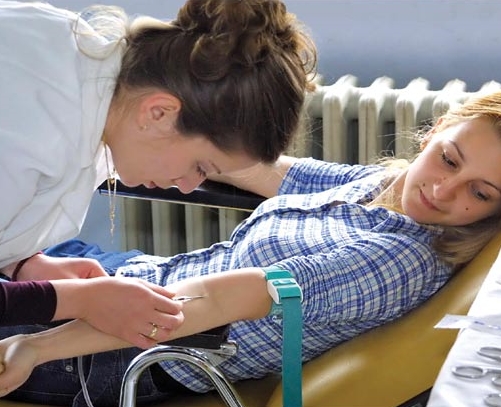
Phlebotomy involves collecting blood samples for laboratory testing. Precise blood collection techniques are critical to ensure sample integrity, prevent infections, and reduce patient discomfort. Proficiency in phlebotomy benefits healthcare providers by:
- Providing accurate lab results
- Supporting diagnostic processes
- Monitoring disease progression
- Administering treatments or donor blood collection
Essential Skills and techniques for Mastering EKG
Preparing Patients for EKG Testing
- Ensure patient comfort and explain the procedure
- Ask about skin allergies or sensitivities
- Remove any metal objects or electronic devices from the chest area
Proper electrode Placement
Correct electrode placement is vital for obtaining accurate readings. The standard 12-lead EKG involves specific placements:
| Lead | Electrode Placement |
|---|---|
| V1 | 4th intercostal space, right sternal border |
| V2 | 4th intercostal space, left sternal border |
| V3 | Between V2 and V4 |
| V4 | 5th intercostal space, midclavicular line |
| V5 | Horizontal to V4, anterior axillary line |
| V6 | Horizontal to V5, midaxillary line |
Interpreting EKG Results
Basic understanding of EKG components such as P waves, QRS complexes, and T waves helps healthcare providers identify abnormalities. advanced interpretation frequently enough requires specialized training. Essential aspects include:
- Identifying arrhythmias like atrial fibrillation
- Detecting ischemic changes
- Assessing heart rate and rhythm
Mastering Phlebotomy: Techniques and Best Practices
equipment and Supplies Needed
- Needles of appropriate size
- Vacutainer tubes
- Alcohol swabs and gauze
- Tourniquet
- Gloves and antiseptic solutions
Phlebotomy Procedure Steps
- Identify the patient and verify identity
- Explain the procedure to the patient to reduce anxiety
- Apply the tourniquet to locate a suitable vein
- Disinfect the site with alcohol swab
- Insert the needle at the proper angle (15-30 degrees)
- Fill the collection tube
- Withdraw the needle and apply pressure
- Label the sample carefully and send for analysis
Handling Complications
- In case of veins rolling, try adjusting needle angle
- if patient experiences dizziness, pause and offer support
- Avoid hemolysis by gentle handling of samples
Practical Tips to Enhance Your Skills
- Practice regularly on simulated models or under supervision
- Stay updated with current protocols and guidelines
- Prioritize patient comfort and dialogue
- Maintain sterile technique to prevent infections
- Document accurately for legal and clinical purposes
Benefits of Mastering EKG & Phlebotomy
| benefit | Description |
|---|---|
| Enhanced Diagnostic Accuracy | Immediate and reliable results aid in prompt decision-making. |
| Increased Employability | Career advancement opportunities in hospitals, clinics, and labs. |
| Patient-Centered Care | Building trust through skillful and compassionate care. |
Case Studies: Real-Life Insights
Case Study 1: A nurse detected abnormal EKG patterns early during routine monitoring, leading to timely cardiac intervention.The nurse’s proficiency in EKG interpretation was crucial to a positive outcome.
Case Study 2: A phlebotomist successfully collected blood from a patient with arduous veins, ensuring sample integrity and avoiding patient injury through proper technique and patience.
First-Hand Experience: Learning and Growing
Many healthcare professionals emphasize the importance of hands-on practice and mentorship when mastering EKG and phlebotomy skills. Attending workshops, certification programs, and shadowing experienced staff can boost confidence and competence.Real-world experience promotes not only technical proficiency but also compassionate patient interaction, making you a more effective healthcare provider.
Conclusion
Mastering EKG and phlebotomy is more than just acquiring technical skills; it’s about developing a holistic approach to patient care that emphasizes accuracy, safety, and empathy. As a healthcare professional, continuously honing these essential skills ensures better diagnostic outcomes, enhances your career prospects, and most importantly, improves patient health and satisfaction. Embrace opportunities for training and practice, and stay committed to learning—your growth as a healthcare provider depends on it.