Mastering EKG and Phlebotomy: Essential Skills for Healthcare Professionals
In the fast-paced world of healthcare, professionals must equip themselves with a variety of skills to provide the best care for their patients. Among these skills,mastering EKG (electrocardiogram) and phlebotomy is paramount.This article delves into the meaning of these essential skills, their benefits, practical tips for mastery, and real-world applications that transform the lives of patients and healthcare providers alike.
Understanding EKG: The Heart’s Language
An EKG is a crucial diagnostic tool that records the electrical activity of the heart over time. Healthcare professionals, especially nurses and medical assistants, must be proficient in interpreting EKGs to assist in diagnosing potential heart conditions.
Importance of EKG Skills
- Early Detection: EKGs help in identifying arrhythmias, blocks, and other heart conditions early on.
- Patient monitoring: Continuous EKG monitoring is vital for patients in critical care.
- Guiding Treatment: EKG results can guide treatment decisions, ensuring timely medical intervention.
Practical Tips for Mastering EKGs
- Understand Basic Heart Anatomy: Familiarize yourself with the heart’s anatomy and how electrical signals propagate.
- Master Waveforms: Learn to recognize and interpret P waves, QRS complexes, and T waves.
- Practice, Practice, Practice: Engage in hands-on practice with simulation software or lab sessions.
Phlebotomy: The Art and Science of Blood Collection
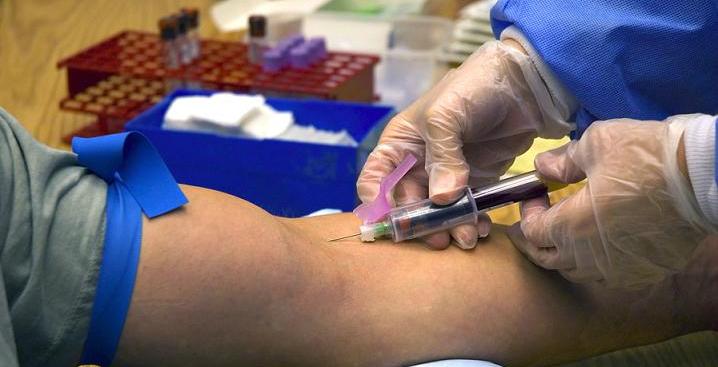
Phlebotomy is the procedure of drawing blood for tests, transfusions, or donation.It requires a unique blend of technical skill and interpersonal communication to ensure a positive experience for patients.
Why Phlebotomy Skills Matter
- Diagnostic Accuracy: Blood tests provide critical insights into a patient’s health status.
- Patient Comfort: Skilled phlebotomists minimize discomfort and anxiety during blood draws.
- Infection Control: Proper technique reduces the risk of infection.
Essential Phlebotomy Skills to Master
- Site Selection: Learn to choose appropriate sites for venipuncture.
- Equipment Familiarity: Get comfortable with various blood collection devices.
- Aftercare: Know how to provide proper aftercare to patients post-collection.
Benefits of Mastering EKG and Phlebotomy together
Mastering both EKG and phlebotomy substantially enhances the skill set of healthcare professionals. Here are some combined benefits:
- Extensive Patient Care: A knowledge of both skills allows for more holistic patient evaluations.
- Improved Workflow: Professionals can handle multiple tests efficiently,reducing patient wait times.
- Career Advancement: Being skilled in both areas can lead to better job opportunities and professional growth.
Real-world Applications: Case Studies and First-Hand experiences
Case Study 1: Early Intervention through EKG
In a busy urban hospital, a nurse noticed subtle changes in a patient’s EKG. Her expertise allowed for the early detection of a cardiac event, leading to timely intervention and a positive patient outcome. This case emphasizes the importance of EKG skills in critical care settings.
Case Study 2: Phlebotomy Proficiency Enhances Patient Experience
A phlebotomist at a health clinic consistently received positive feedback from patients regarding the speed and comfort of their blood draws.By mastering phlebotomy techniques, she created a welcoming atmosphere, improving patient satisfaction and trust.
The Learning Journey: Resources and Tools
To master EKG and phlebotomy skills, healthcare professionals can utilize various resources:
- Online Courses: Websites like Coursera and Udemy offer specialized courses in EKG interpretation and phlebotomy techniques.
- Hands-On Workshops: Local health institutions and training centers frequently host workshops for practical experience.
- Study Groups: Joining a study group can facilitate learning through discussion and collaborative practice.
Conclusion
Mastering EKG and phlebotomy is not just desirable but essential for healthcare professionals dedicated to providing quality care. these skills empower professionals to make informed decisions, enhance patient comfort, and contribute positively to the healthcare team’s efficiency. With the right resources, practice, and continuous learning, anyone can excel in these critical areas.
Table: Rapid Comparison of EKG and Phlebotomy Skills
| Skill | Importance | Key Techniques |
|---|---|---|
| EKG | Early detection of heart conditions | Waveform interpretation, lead placement |
| Phlebotomy | Accurate diagnostics via blood tests | Venipuncture techniques, patient care |