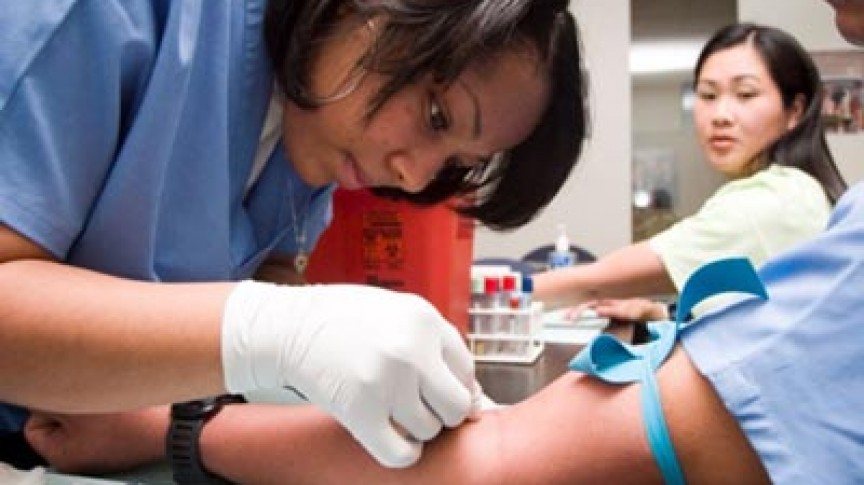
Mastering EKG and Phlebotomy: Essential Skills Every Technician Needs to Succeed
In the ever-evolving field of healthcare, mastering essential skills such as EKG (electrocardiogram) and phlebotomy is crucial for medical technicians looking to advance their careers. These skills play a vital role in patient care and diagnostics, making technicians indispensable in various healthcare settings. This article delves into the importance of EKG and phlebotomy skills, practical tips for mastering them, and the benefits they bring to your professional journey.
The Importance of EKG and Phlebotomy Skills
Both EKG and phlebotomy are foundational techniques in medical diagnostics. Understanding their significance can help technicians emphasize their role within the healthcare framework.
Why EKG Skills Matter
- Diagnostic Value: EKGs are crucial for diagnosing heart abnormalities, arrhythmias, and other cardiovascular issues.
- Immediate Patient Feedback: EKGs can provide rapid insights into a patient’s condition, allowing for prompt decision-making.
- Enhanced Patient Interaction: Technicians skilled in EKG can educate patients about the test, alleviating anxiety and fostering trust.
The Role of Phlebotomy
- Essential for Testing: Phlebotomy is vital for collecting blood samples for diagnostic tests, guiding treatment plans.
- Patient Safety: Proper phlebotomy techniques minimize the risk of complications and infections.
- Skill Diversification: Proficiency in phlebotomy expands employment opportunities and enhances competitive edge.
Benefits of Mastering EKG and Phlebotomy
Building competence in these two critical areas not only boosts your skill set but also offers numerous benefits:
- Career Advancement: Being proficient in EKG and phlebotomy can lead to job promotions and specialized roles in cardiology and laboratory work.
- Increased Job Security: Healthcare is a growing field; specialized skills enhance your marketability.
- Higher Earning Potential: Specialized technicians often command higher salaries due to the demand for their skills.
Practical Tips for Mastering EKG and Phlebotomy
To excel in your EKG and phlebotomy skills, consider the following practical tips:
1. Invest in Quality Training
Enroll in accredited programs that offer hands-on training in EKG and phlebotomy. Quality education lays the foundation for your skill acquisition.
2. Practice Regularly
Regular practice is essential. Work with mentors or use simulation tools to refine your techniques and improve your confidence.
3. Stay Updated on Best Practices
The medical field is dynamic. Attend workshops and seminars to learn about the latest best practices and innovations in EKG and phlebotomy.
4. Develop Soft Skills
Strong communication and empathy are crucial in patient care. Enhance these skills to make interacting with patients comfortable and informative.
5. Seek Feedback
Request feedback from experienced clinicians to identify areas for improvement and further hone your abilities.
Case Studies: Real-Life Applications of EKG and Phlebotomy Skills
Understanding how EKG and phlebotomy play out in real-world scenarios can underscore their importance:
Case Study 1: EKG in Emergency Situations
During a cardiac emergency, a technician adept in EKG was able to quickly perform the test. The rapid diagnosis of an ST-elevation myocardial infarction (STEMI) led to immediate intervention, saving the patient’s life.
Case Study 2: Phlebotomy in Chronic Illness Management
A patient with diabetes required regular blood tests to monitor glucose levels. A skilled phlebotomist became a vital part of the healthcare team, ensuring minimal discomfort for the patient and accurate blood draws, thereby facilitating timely adjustments to their treatment plan.
First-Hand Experience: Tips from a Practicing Technician
We spoke to Jordan Smith, a certified medical technician with over five years of experience in EKG and phlebotomy:
“Fostering a connection with patients is crucial. When they trust me during procedures like blood draws or EKGs, it creates a more positive experience for both of us. I emphasize the importance of explaining the process to ease any fears they might have. Regular practice with my colleagues has also honed my skills significantly. It’s all about consistency.” – Jordan Smith
A Simple Comparison Table: EKG vs. Phlebotomy Skills
| Skill | Application | Patient Interaction | Training Duration |
|---|---|---|---|
| EKG | Diagnostic tool for heart conditions | Moderate – Brief explanation | 4-6 weeks |
| Phlebotomy | Blood sample collection | High – Detailed patient care needed | 6-8 weeks |
Conclusion
Mastering EKG and phlebotomy skills is not just about enhancing technical abilities; it’s about making a significant impact on patient care. By investing in your education, practicing regularly, and maintaining good communication with patients, you can excel in these areas and enjoy a rewarding career in the healthcare field. Embrace the journey and let your skillset as a technician open doors to new opportunities!
Ready to take your career to the next level? Start refining your EKG and phlebotomy skills today!