Mastering CPT Phlebotomy: Your Essential Guide to Certification, Skills, and Career Success
Introduction
If you’re considering a rewarding career in healthcare, becoming a Certified Phlebotomy Technician (CPT) is a fantastic choice. Phlebotomy, the art of drawing blood samples, is an essential part of medical diagnostics and patient care.Earning your CPT certification not only validates your skills but also opens doors to a stable and fulfilling career in healthcare. In this thorough guide, we’ll explore everything you need to know about mastering CPT phlebotomy—from certification processes and essential skills to career opportunities and practical tips for success.
What Is CPT Phlebotomy?
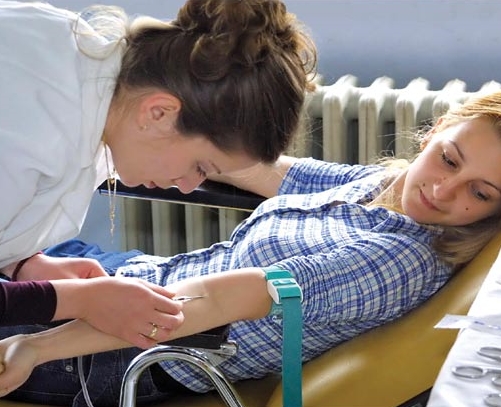
Certified Phlebotomy Technicians (CPTs) are healthcare professionals trained to draw blood accurately and safely for laboratory testing, blood donations, and patient diagnostics. CPTs play a vital role in ensuring the quality and safety of blood samples and patient wellbeing.Thier responsibilities include patient identification, proper sample collection, handling specimens, and maintaining a sterile environment.
The CPT certification is awarded by recognized certifying organizations, such as the National Healthcareer Association (NHA), which signifies a technician’s competency and readiness to perform phlebotomy procedures professionally.
Certification Requirements for aspiring CPTs
Getting certified as a CPT involves a combination of education,training,and passing an accreditation exam. Here are the typical steps:
- Educational prerequisites: Generally, applicants should have a high school diploma or GED.
- Phlebotomy training program: Complete a CDC-compliant training program that covers anatomy, infection control, blood collection techniques, and safety protocols.
- Clinical experience: Obtain hands-on practice through supervised training, usually ranging from 40 to 120 hours depending on state laws.
- Certification exam: Pass the certification exam administered by a recognized authority, such as the NHA or the American Society for Clinical Pathology (ASCP).
Note: Certification requirements may vary by state, so it’s crucial to check local regulations before pursuing certification.
how to Prepare for Your CPT Certification Exam
Success on the certification exam requires thorough readiness. Here are some practical tips:
- Study guides and practice tests: Use reputable study materials and take practice exams to familiarize yourself with the test format and question types.
- Attend review courses: Enroll in local or online CPT review classes for structured content and expert guidance.
- Focus on core topics: Prioritize understanding anatomy, blood collection procedures, infection control, and legal considerations.
- Get hands-on practice: Reinforce your skills through supervised clinical practice to build confidence and technical proficiency.
- Maintain reputable certification timelines: Keep track of expiration dates and recertification requirements to stay certified and employable.
essential Skills for Certified Phlebotomy Technicians
Mastering key skills is crucial to excel as a CPT. These include:
- good manual dexterity: Ability to handle needles and equipment with precision.
- Attention to detail: Proper identification and labeling of samples to prevent errors.
- Interaction skills: Comforting patients and explaining procedures effectively.
- Knowledge of safety protocols: Infection control, PPE usage, and disposal procedures.
- Problem-solving abilities: Addressing unexpected issues during blood draws, such as difficult veins.
Benefits of a Career in CPT Phlebotomy
Pursuing a career as a Certified Phlebotomy Technician offers numerous advantages:
- High demand and job stability: Healthcare facilities continually seek qualified CPTs.
- Competitive salary: Entry-level CPTs earn a cozy income, with potential for growth.
- flexible work environments: Opportunities in hospitals, clinics, blood banks, and mobile phlebotomy services.
- rapid certification process: Training and certification can frequently enough be completed within a few months.
- Foundation for advanced healthcare careers: Experience as a CPT can pave the way for further specialization or education.
Practical Tips for Aspiring CPTs
To ensure successful entry and growth in the field, consider the following tips:
- Gain diverse clinical experience: Volunteer or seek internships to diversify your skills.
- Network with professionals: Attend healthcare career fairs and join relevant associations.
- Stay updated: Keep abreast of new regulations, techniques, and technologies in phlebotomy.
- Maintain a professional attitude: Punctuality, compassion, and professionalism go a long way.
- Prepare for recertification: Regularly review your knowledge and complete continuing education units (CEUs).
Case Studies: Success Stories in CPT Phlebotomy
Maria’s Journey to Certification
Maria, a high school graduate, enrolled in a local phlebotomy training program. after completing her clinical hours, she passed her certification exam on the first attempt. within six months, she secured a position at a community hospital, enjoying a stable income and positive patient interactions. Maria credits her success to hands-on practice and continuous learning.
John’s Career Advancement
John started as a certified CPT but pursued additional certifications in laboratory testing and healthcare management. Today,he manages a team of phlebotomists and trains new staff,demonstrating how foundational skills can lead to leadership roles in healthcare.
First-Hand Experience: What It’s Like to Be a CPT
As a CPT, you’ll frequently enough work in fast-paced environments where patient comfort and safety are paramount. building rapport with patients, managing difficult veins, and accurately labeling samples are daily tasks that require patience and skill. The job can be physically demanding but highly rewarding — knowing you’re an integral part of patient diagnosis and treatment provides immense professional satisfaction.
Conclusion
mastering CPT phlebotomy is a strategic step toward a meaningful career in the healthcare industry. By obtaining certification, honing essential skills, and gaining valuable experience, you position yourself for career success and stability.whether you’re just starting or looking to advance your path, dedicated effort and continual learning in phlebotomy will pave the way for a rewarding future. Embrace the journey, and you’ll discover that being a skilled CPT not only benefits your career but also makes a positive impact on countless patients’ lives.