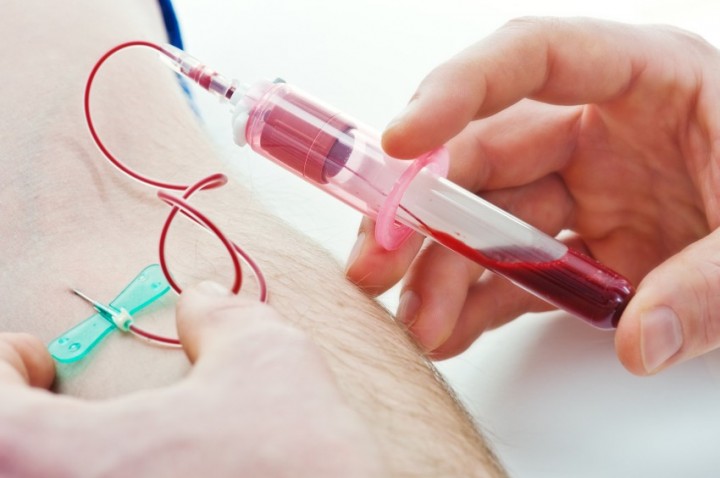
Mastering Blood Phlebotomy: Essential Tips for Safe and Accurate Blood Collection
Blood phlebotomy is a fundamental skill in medical laboratories, clinics, and hospitals worldwide. Accurate blood collection not only ensures reliable test results but also patient safety and comfort. Whether you’re a beginner looking to refine your technique or a seasoned professional aiming for perfection, mastering blood phlebotomy is crucial. In this extensive guide,we will explore essential tips,practical techniques,benefits,and real-world insights to help you excel in blood collection procedures.
Understanding Blood Phlebotomy: The Foundation of Quality Healthcare
Blood phlebotomy involves drawing blood from a patient for diagnostic testing, donation, or medical treatment. Proper technique minimizes the risk of infection, hematoma, or patient discomfort. Mastering this skill requires knowledge of anatomy, equipment, and adherence to safety protocols.
Essential Tips for Safe and Accurate Blood Collection
1. Proper Preparation is Key
- Verify patient identity accurately before collection.
- Review patient history for allergies, bleeding disorders, or previous complications.
- Gather all necessary equipment: tourniquet,needles,tubes,alcohol swabs,gauze,adhesive bandages.
- Ensure the surroundings is clean and well-lit to prevent contamination and mishaps.
2. Choosing the Right Equipment
- Select needle gauge based on patient size and vein condition-usually 21-23 gauge.
- Use a suitable collection tube system-vacutainer or syringe-depending on the procedure.
- Ensure all equipment is sterile and within expiration date.
3. Identifying and Preparing the Vein
- Apply the tourniquet 3-4 inches above the selected site to engorge the vein.
- Palpate to locate a well-supported, soft, and stable vein-typically antecubital fossa or cephalic vein.
- Disinfect the site with alcohol swab; allow it to air dry wholly.
4. Techniques for Safe Blood Draw
- Insert the needle at a 15-30 degree angle with the bevel facing up.
- Insert the needle smoothly and swiftly into the vein.
- Release the tourniquet once blood begins to flow freely-usually within 30 seconds.
- Fill collection tubes in the correct order if multiple tubes are used.
- Withdraw the needle carefully and apply pressure immediately with gauze.
- Secure the puncture site with adhesive and advise the patient to keep pressure for a few minutes.
5. Post-Collection Care and Documentation
- Label the tubes accurately with patient details, date, and time.
- Dispose of sharps in approved containers.
- record the procedure details in the patient’s medical records.
- Instruct the patient on aftercare and watch for signs of hematoma or bleeding.
Benefits of Mastering Blood Phlebotomy
| Benefit | Description |
|---|---|
| Accuracy | Provides reliable test results essential for diagnosis and treatment. |
| Patient Safety | Reduces risks of infection, hematoma, and injury. |
| Efficiency | Speeds up the collection process, saving time for both patient and staff. |
| Patient Comfort | Minimizes discomfort and anxiety through proper techniques. |
Practical Tips for Improving Your Blood Collection Skills
- Practice regularly: Conduct mock procedures or shadow experienced phlebotomists.
- stay updated: Keep abreast of new techniques,equipment,and safety protocols.
- communicate effectively: Explain procedures to patients to reduce anxiety.
- Use proper patient positioning: Comfortably position patients to facilitate vein access.
- Handle samples with care: Avoid hemolysis by gentle handling of blood samples.
Case Study: Triumphant Blood Collection in Difficult venous Access
In a hospital setting, a patient with fragile veins posed a challenge for blood collection. The phlebotomist used a warm compress to dilate the vein and employed an appropriate butterfly needle for precision. Carefully anchoring the vein minimized rolling and discomfort. As an inevitable result, the sample was collected successfully, demonstrating the importance of adaptive techniques. this case underscores the meaning of skill, patience, and knowledge in mastering blood phlebotomy.
Frist-Hand Experience: Lessons from a Certified Phlebotomist
Having trained numerous healthcare professionals, I can attest that mastering blood collection is about confidence and consistency.I emphasize practicing proper hand hygiene, selecting the right equipment, and establishing rapport with patients. Challenging cases often teach new techniques,reinforcing that continuous learning is vital in this field.
Conclusion
Mastering blood phlebotomy is an essential skill that impacts patient health, diagnosis accuracy, and overall healthcare quality. By understanding the fundamental principles,practicing safe techniques,and staying committed to ongoing learning,healthcare professionals can perform blood collection safely and efficiently. Remember, precision, patience, and compassion are the cornerstones of successful blood draw procedures. Invest in your skills today to become proficient in blood phlebotomy and contribute meaningfully to patient care.