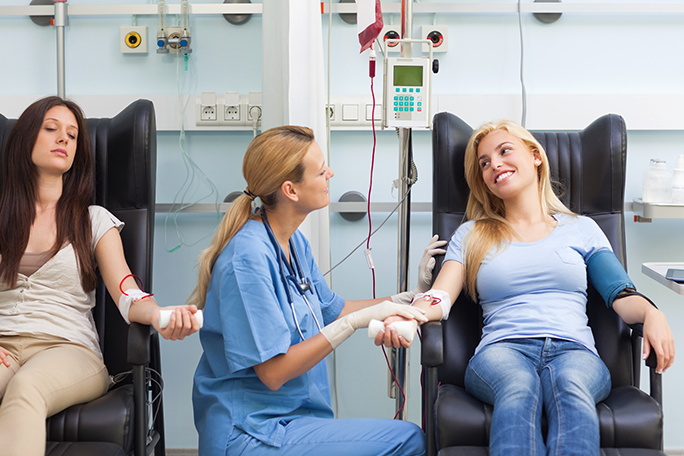
Mastering Blood Draws: Essential Training Tips for Healthcare Professionals
Performing blood draws is a fundamental skill for many healthcare professionals, including phlebotomists, nurses, and medical assistants. Mastering this technique ensures accurate diagnosis, patient safety, and a positive clinical experience.Whether you’re new to the field or seeking to refine your skills, this comprehensive guide offers essential training tips, practical advice, and key insights to help you become proficient in blood collection procedures.
Introduction
Blood draws, or venipuncture procedures, are routine yet critical medical tasks requiring precision, confidence, and compassion. proper training not only improves specimen quality but also minimizes patient discomfort and complications. In this article, we explore the best practices for mastering blood draws, covering essential skills, safety protocols, equipment handling, and troubleshooting strategies. Let’s dive into the essentials that will elevate your proficiency and ensure exemplary patient care.
Understanding the Importance of Proper Blood Draw Techniques
Effective blood collection impacts diagnostic accuracy, patient satisfaction, and healthcare outcomes. Incorrect technique can lead to hemolysis, contamination, or failed draws, all of which delay diagnosis and treatment.therefore, mastering blood draw procedures through thorough training is imperative.
Training Tips for Healthcare Professionals Conducting Blood Draws
1. Comprehensive Theoretical Knowlege
- anatomy of veins: Learn to identify suitable veins like the median cubital, cephalic, and basilic.
- Blood collection principles: Understand the science behind proper technique, including blood flow and specimen integrity.
- Safety protocols: Familiarize yourself with infection control, patient identification, and waste disposal.
2. Practical Skills Development
- Hand-on training: practice on mannequins or supervised real patients to build confidence.
- Equipment handling: Master the use of different needles, tubes, tourniquets, and antiseptics.
- Patient positioning: Learn to position patients comfortably for optimal vein access.
3. Emphasizing Patient Comfort and Communication
- Clear explanations: Inform patients about the procedure to reduce anxiety.
- Empathy and reassurance: Use a friendly tone and gentle technique to ease discomfort.
- Monitoring: Watch for adverse reactions and respond promptly.
Benefits of Proper Blood Draw Technique
| Benefit | Impact |
|---|---|
| Accurate test results | Reliable diagnostics and effective treatment plans |
| Patient safety | Reduces risk of complications like hematoma or infections |
| Enhanced patient experience | Builds trust and cooperation in clinical settings |
| Efficiency in workflow | Saves time and resources during specimen collection |
Practical Tips for Successful Blood collection
Choose the Right Equipment
- Use needles of appropriate gauge (21-23 G commonly used)
- Select the correct collection tubes based on tests ordered
- Keep all necessary supplies within reach before begining
Proper Site Selection and Readiness
- Inspect for visible, prominent veins
- Apply tourniquet correctly (no more than 1 minute)
- Cleanse the site thoroughly with alcohol swab and allow to dry
Technique and venipuncture
- Anchor the vein firmly with your thumb or finger
- Insert the needle at a 15-30 degree angle with a smooth, swift motion
- Collect blood gently and fill the tubes in order, if needed
- Release tourniquet promptly after blood flow is established
Post-Procedure Care
- Apply pressure to the site to stop bleeding
- Apply bandage and advise patient to keep it on for at least 15 minutes
- Label specimens accurately and handle them according to protocols
Common Challenges and Troubleshooting
| Issue | Solution |
|---|---|
| Vein rolling or collapsing | Adjust needle angle, stabilize the vein firmly, try different site |
| Hemolysis of specimens | Avoid vigorous shaking, use proper collection tubes, handle gently |
| Failed to draw blood | Reassess site, ensure tourniquet isn’t too tight, try another vein |
| Pain or discomfort | Use a smaller gauge needle, minimize needle movement, communicate with the patient |
First-Hand Experience and Case Studies
Case Study 1: Managing Tough Veins
In a busy clinic, a seasoned phlebotomist successfully accessed a difficult vein by warming the site with a warm compress and applying gentle pressure. Patience and proper site preparation led to a successful draw after multiple attempts, emphasizing the importance of perseverance and technique.
Case Study 2: Reducing Patient Anxiety
A nurse trained in empathetic communication noticed improved patient cooperation and reduced wait times during blood draws after implementing a friendly clarification of the procedure and offering comfort measures. The result was a safer, more pleasant experience for patients.
Conclusion
Mastering blood draws is a vital competency for healthcare professionals committed to delivering high-quality patient care.Through comprehensive training, attention to proper technique, and a focus on patient comfort, healthcare practitioners can perform blood collection with confidence and precision. Remember,continuous practice,ongoing education,and a compassionate approach are the keys to becoming an expert in venipuncture. As you refine your skills, you’ll contribute to faster diagnostics, better patient outcomes, and a more efficient healthcare surroundings.