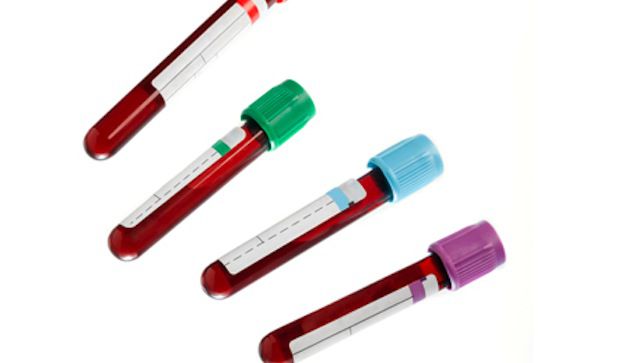
mastering Blood Draw Phlebotomy: Essential Tips for Safe and Accurate Venipuncture
Venipuncture, commonly known as blood draw or blood sampling, is a essential procedure in medical diagnostics. Whether you’re a budding phlebotomist, a healthcare professional, or simply interested in understanding the intricacies of blood collection, mastering safe and accurate venipuncture techniques is essential. Proper blood draw procedures not only ensure the quality of diagnostic results but also safeguard patient comfort and safety.
Introduction
Blood collection through venipuncture is one of the most routine yet critical procedures performed in healthcare settings.Its success depends on a combination of proper technique, understanding anatomy, patient communication, and adherence to safety protocols. Incorrect techniques can lead to sample hemolysis, patient injury, or unreliable test results. Therefore,mastering blood draw phlebotomy requires knowledge,practise,and attention to detail. This thorough guide offers essential tips and insights to help healthcare professionals and students excel in performing venipuncture confidently and safely.
Why Mastering Blood Draw Phlebotomy Matters
- Accuracy of Diagnostic Tests: proper blood collection ensures reliable laboratory results, impacting diagnosis and treatment.
- Patient Comfort and safety: Gentle, correct technique reduces pain, bruising, and complications.
- Professional Competence: Skillful blood drawing enhances reputation and patient trust.
- Legal and Ethical Responsibility: Following protocols minimizes risk of errors and potential liabilities.
Key Components of safe and Accurate Venipuncture
1.Planning and Equipment Setup
Before initiating the blood draw, ensure all necessary equipment is on hand and in good condition. Proper preparation reduces delays and patient discomfort.
- Use sterile, high-quality supplies: tourniquet, antiseptic wipes, needles, collection tubes, gauze, and tape.
- Choose the correct needle size (usually 21-23 gauge for adults).
- Label tubes beforehand to prevent mix-ups.
- Verify patient identity and consent.
2. Patient Identification and Comfort
effective communication and patient positioning play a crucial role in successful venipuncture.
- Identify the patient accurately using two identifiers.
- Explain the procedure to reduce anxiety.
- Position the patient comfortably, with the arm extended and supported.
- Check for contraindications (e.g., presence of IV lines, infections, or bruises).
3. Selecting the Venipuncture Site
The most common site is the median cubital vein, but alternatives include the cephalic or basilic veins.
| Site & Suitability | Advantages | Considerations |
|---|---|---|
| Median Cubital Vein | Most accessible,least painful,minimal nerve and artery risk | Often the largest vein; usually preferred |
| Cephalic Vein | Accessible on the outer arm or wrist | May be more arduous to locate; risk of nerve proximity |
| Basilic Vein | Large,less commonly used,deep vein | Proximity to nerves and arteries increases risk; requires skill |
4. Proper Technique for Venipuncture
Executing the technique correctly is vital for safety and accuracy.
- Apply the tourniquet 3-4 inches above the puncture site with enough pressure to engorge the vein but not cause discomfort.
- Palpate and stabilize the vein with your non-dominant hand.
- Insert the needle at a 15-30° angle, bevel facing up.
- Insert smoothly,advance until blood flow is observed into the tube.
- Release the tourniquet before removing the needle to reduce hematoma risk.
- Withdraw the needle swiftly and apply gauze with pressure instantly.
- Secure the bandage and label the specimen properly.
5.Follow Safety Protocols and Waste Disposal
Adhere to OSHA guidelines and standard precautions:
- Dispose of sharps immediately into puncture-proof containers.
- Wear gloves and personal protective equipment (PPE).
- Clean contaminated surfaces and clean equipment properly.
- Document the procedure accurately in medical records.
Practical Tips for Successful Blood Draws
- Practice proper hand hygiene before and after procedures.
- Avoid using veins that are swollen, scarred, or have hematomas.
- Use gentle palpation to minimize patient discomfort.
- Do not force the needle if resistance is met; reposition as needed.
- Adjust tourniquet timing; do not leave it on for more than a minute to prevent hemoconcentration.
- Ensure proper specimen handling,including gentle inversion of tubes.
Common Challenges and Solutions in Venipuncture
| Challenge | solution |
|---|---|
| Collapsed veins | Apply appropriate tourniquet pressure, warm the site, or select choice site |
| Patient anxiety or movement | Communicate clearly, provide reassurance, and ensure patient comfort |
| Blood flow not observed | Reposition needle or select a different vein |
Benefits of Proper Blood Draw Phlebotomy
- High-Quality samples: Ensures the laboratory receives accurate and uncontaminated specimens.
- Reduced Complications: Minimizes hematomas, nerve injuries, or infections.
- Enhanced Patient Experience: Less pain, fear, and discomfort with skilled technique.
- Compliance with Regulations: Meets safety standards and legal requirements.
First-Hand Experience: A Phlebotomist’s Outlook
As a practicing phlebotomist,I can attest that mastering venipuncture is both an art and a science. Confidence, gentle approach, and attention to detail make the process smoother for patients and professionals alike. I’ve learned that each patient is unique-what works for one may not work for another. Remaining adaptable, practicing regularly, and staying updated on best practices are key to becoming proficient in blood draw phlebotomy.
Case Study: Reducing Hematoma Incidence in a Clinical Setting
In a busy outpatient clinic, a team observed frequent hematomas post-blood draw. Implementing focused training on proper site selection, needle insertion angle, and gentle handling resulted in a 50% reduction within three months. This demonstrated how adherence to correct techniques directly improves patient outcomes and reduces follow-up complications.
Conclusion
Mastering blood draw phlebotomy is a vital skill that combines technical expertise, patient-centered care, and strict adherence to safety protocols. By understanding the anatomy, preparing properly, employing correct techniques, and continually practicing, healthcare professionals can perform venipuncture with confidence and precision. Whether you’re starting your career or refining your skills, commitment to best practices ensures safe, accurate, and comfortable blood collection for every patient.
If you want to excel in blood draw procedures, keep learning, practicing, and prioritizing patient safety-the results will speak for themselves.