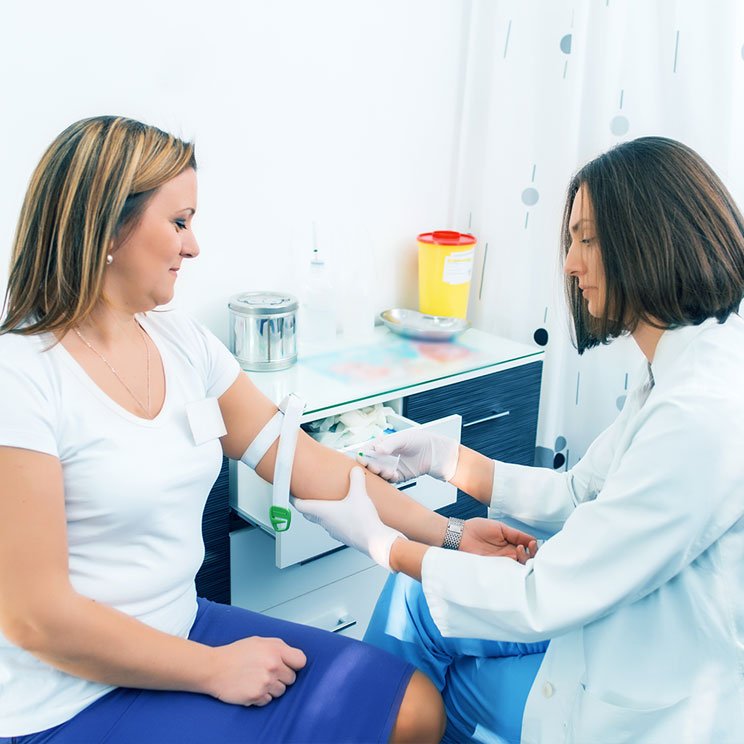
**Title**: Master the Art of Venipuncture: A Step-by-Step Guide on How to Draw Blood Safely and Effectively
**Introduction**:
Venipuncture, also known as blood draw, is a crucial skill for healthcare professionals, including nurses, phlebotomists, and medical assistants. Mastering the art of venipuncture is essential for obtaining high-quality blood samples while ensuring patient safety and comfort. In this comprehensive guide, we will walk you through the steps of performing a successful venipuncture, from preparing the patient to properly collecting and handling blood samples.
**Benefits of Learning Venipuncture**:
– Ability to collect blood samples for various medical tests and procedures
– Increased confidence and proficiency in performing clinical skills
– Enhancement of patient care and experience
– Potential for career advancement in healthcare settings
**Step 1: Prepare for the Venipuncture**
Before starting the venipuncture procedure, it is essential to gather all necessary equipment and verify the patient’s identity and medical history. Here are some key steps to follow:
1.1. Check the physician’s orders and confirm the type of blood sample required.
1.2. Gather the required equipment, including gloves, alcohol swabs, tourniquet, needles, and collection tubes.
1.3. Verify the patient’s identity using at least two unique identifiers, such as name and date of birth.
1.4. Review the patient’s medical history, allergies, and any potential risks or contraindications.
**Step 2: Position the Patient and Locate the Vein**
Proper positioning of the patient and accurate vein identification are critical for a successful venipuncture. Follow these steps to ensure optimal patient comfort and vein visibility:
2.1. Ask the patient to sit or lie down in a comfortable position with the arm extended and supported.
2.2. Apply a tourniquet 3-4 inches above the intended venipuncture site to engorge the vein.
2.3. Palpate the vein by gently pressing down on the skin to locate a suitable puncture site.
2.4. Choose a vein that is visible, palpable, and straight for easier needle insertion.
**Step 3: Clean and Disinfect the Puncture Site**
Maintaining a sterile field is crucial to prevent infection and ensure the accuracy of blood samples. Follow these guidelines to clean and disinfect the venipuncture site effectively:
3.1. Put on gloves and cleanse the puncture site with an alcohol swab, starting from the center and moving outward in a circular motion.
3.2. Allow the skin to dry completely before proceeding with the blood draw to prevent contamination.
3.3. Discard the used alcohol swab and maintain aseptic technique throughout the venipuncture procedure.
**Step 4: Perform the Venipuncture**
With proper preparation and patient positioning, you are ready to perform the venipuncture procedure. Follow these steps to draw blood safely and effectively:
4.1. Secure the vein with your non-dominant hand to stabilize the area and prevent rolling during needle insertion.
4.2. Insert the needle at a 15-30 degree angle with the bevel facing up into the vein using a quick, smooth motion.
4.3. Release the tourniquet once blood flow is established, and fill the collection tubes in the correct order as per the laboratory requirements.
4.4. Apply gentle pressure on the puncture site with a cotton ball or gauze pad to promote hemostasis.
**Step 5: Label and Transport the Blood Samples**
After collecting the blood samples, it is essential to label them accurately and handle them with care to maintain sample integrity and tracking. Here are some key steps to follow:
5.1. Label each collection tube with the patient’s name, date of birth, and collection time using a permanent marker.
5.2. Verify the accuracy of the labels and ensure they match the patient’s identification wristband.
5.3. Place the labeled tubes in a biohazard bag or container for safe transport to the laboratory.
5.4. Follow the facility’s standard operating procedures for specimen handling and storage to avoid contamination or misidentification.
**Conclusion**:
Mastering the art of venipuncture is a valuable skill that requires practice, patience, and attention to detail. By following this step-by-step guide and incorporating best practices, healthcare professionals can draw blood safely and effectively while prioritizing patient comfort and safety. As you continue to refine your venipuncture technique, remember to stay current with industry standards and guidelines to provide high-quality care and accurate test results for your patients.