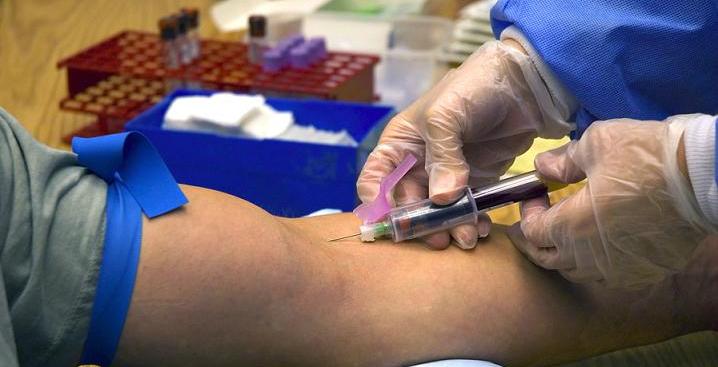
Phlebotomy is an essential healthcare profession that involves drawing blood for various medical purposes, such as lab tests, transfusions, and donations. If you are considering pursuing a career in phlebotomy in Atlanta, Georgia, this complete guide to training and certification will help you navigate the process and kickstart your journey in this rewarding field.
## Introduction
Phlebotomy training programs in Atlanta provide students with the knowledge and skills required to become a successful phlebotomist. These programs typically cover topics such as anatomy and physiology, venipuncture techniques, medical terminology, and infection control practices. Upon completing a phlebotomy training program, students can pursue national certification through organizations such as the National Healthcareer Association (NHA) or the American Society for Clinical Pathology (ASCP).
In Georgia, phlebotomists are not required to obtain a state-specific license, but many employers prefer to hire certified phlebotomists. Certification demonstrates your commitment to the profession and can increase your job prospects and earning potential.
## Training Programs in Atlanta
Several institutions in Atlanta offer phlebotomy training programs, including technical schools, community colleges, and healthcare facilities. When choosing a training program, consider factors such as program length, cost, accreditation, and job placement assistance. Some reputable phlebotomy training programs in Atlanta include:
1. Atlanta Technical College
2. Georgia Piedmont Technical College
3. Kaiser Permanente School of Allied Health Sciences
4. Phlebotomy Learning Center of Georgia
These programs typically consist of a combination of classroom instruction, lab practice, and hands-on clinical experience. Students learn how to properly collect blood samples, handle specimens, and interact with patients in a professional manner.
## Certification
While certification is not mandatory in Georgia, it is highly recommended for phlebotomists seeking employment. National certification demonstrates your competency in the field and can enhance your credibility with employers. Some popular certifications for phlebotomists include:
1. Certified Phlebotomy Technician (CPT) from the National Healthcareer Association (NHA)
2. Phlebotomy Technician (PBT) from the American Society for Clinical Pathology (ASCP)
3. Certified Venipuncture Specialist (CVS) from the American Medical Technologists (AMT)
To become certified, you must meet eligibility requirements, such as completing a training program and passing a certification exam. Maintaining your certification may require continuing education to stay current with industry standards.
## Benefits and Practical Tips
– Certification can lead to better job opportunities and higher salaries.
– Develop strong communication and interpersonal skills to interact effectively with patients.
– Practice venipuncture techniques regularly to maintain proficiency.
– Stay updated on industry trends and advancements in phlebotomy practices.
## First-hand Experience
“I completed a phlebotomy training program in Atlanta and obtained my national certification as a Certified Phlebotomy Technician. The program provided hands-on training in venipuncture techniques, specimen handling, and patient care. I gained confidence in my skills and knowledge, which helped me secure a phlebotomy job at a local hospital. Pursuing a career in phlebotomy has been rewarding, and I enjoy helping patients and working in the healthcare field.”
## Conclusion
Mastering phlebotomy in Atlanta requires dedication, training, and certification. By enrolling in a reputable training program, obtaining national certification, and honing your skills, you can embark on a successful career in phlebotomy. Remember to stay current with industry practices, continue learning, and maintain professionalism in your work. Good luck on your journey to becoming a certified phlebotomist in Georgia!
pursuing a career in phlebotomy in Atlanta, Georgia, offers a rewarding path in the healthcare industry. With the right training, certification, and dedication, you can become a skilled phlebotomist and make a difference in patients’ lives. Consider enrolling in a phlebotomy training program, obtaining national certification, and practicing your skills to excel in this essential healthcare profession.