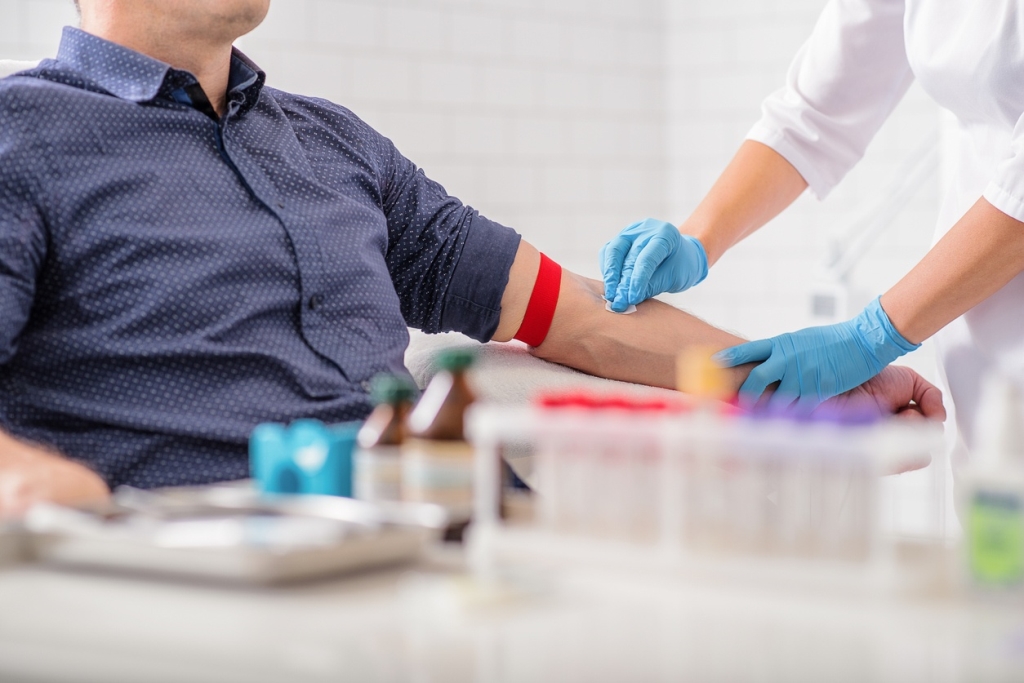
Master Phlebotomy: A Beginner’s Guide to essential skills & Tips
Embarking on a career in phlebotomy can be both exciting and rewarding. As a vital part of the healthcare system, phlebotomists play a crucial role in collecting blood samples for testing, diagnosis, and treatment. If you’re just starting out and want to learn the essential skills needed to excel in this field,this comprehensive beginner’s guide is perfect for you. From understanding the fundamental techniques to practical tips,benefits,and real-life case studies,we’ll cover everything you need to become a skilled phlebotomist.
Introduction to phlebotomy
Phlebotomy is the practice of drawing blood from patients for laboratory analysis, blood donations, or medical testing. This skill requires precision, patience, and a compassionate approach. As a beginner, mastering phlebotomy can open doors to various healthcare careers, including laboratory technician, nurse, or medical assistant.
Why Mastering Phlebotomy matters
- Vital Healthcare Skill: Blood collection is essential for diagnosing diseases, monitoring health, and saving lives.
- Career Opportunities: Certified phlebotomists are in demand across hospitals, clinics, and blood donation centers.
- Foundation for Healthcare Careers: skills learned in phlebotomy serve as a stepping stone for advanced medical professions.
Essential Skills for Mastering Phlebotomy
1. Proper Knowledge of Anatomy
Understanding the anatomy of veins, arteries, and surrounding structures helps in selecting the appropriate sites for blood draw and reduces complications.
2.Fitting Equipment Handling
Proficiency with blood collection equipment such as needles, tourniquets, tubes, and alcohol wipes ensures safe and efficient procedures.
3. Patient Interaction & Interaction
Building rapport and calming anxious patients minimize discomfort and improve cooperation during blood draws.
4. Technique & Precision
Practicing correct venipuncture techniques ensures sample quality, minimizes pain, and prevents complications like hematomas or nerve injury.
5. Infection Control & Safety
Adhering to strict infection control protocols safeguards both the patient and the phlebotomist.
Step-by-Step Guide to Phlebotomy for Beginners
- Prepare Your Equipment: Gather needles, collection tubes, Tourniquet, alcohol swabs, gauze, and gloves.
- Identify the Correct Site: Usually the median cubital vein in the arm.
- Explain & Comfort: Calm the patient and inform them about the procedure.
- Apply tourniquet: wrap above the site to engorge the vein.
- Disinfect the Site: Use alcohol wipe in a circular motion and let it dry.
- Insert the Needle: Hold the needle at a 15-30 degree angle and gently puncture the vein.
- Collect Blood: Attach the collection tube and fill to required levels.
- Withdraw & Apply Pressure: Remove the needle carefully and apply gauze with pressure to stop bleeding.
- Dispose Safely: Discard used needles in sharps container.
- Label & Transport: Label samples accurately and transport to the lab.
Benefits of Becoming a Certified Phlebotomist
| Benefit | Description |
|---|---|
| Higher Employability | certification enhances job prospects across various healthcare settings. |
| Earn Competitive Salary | Certified professionals frequently enough earn higher wages and benefits. |
| Career advancement | Certification opens door for specialized roles and further medical training. |
Practical Tips for Aspiring Phlebotomists
- Practice Regularly: Use simulation tools or volunteer at clinics to gain hands-on experience.
- Stay Calm & confident: Confidence reduces patient anxiety and improves procedure outcomes.
- Keep learning: Attend workshops, webinars, and continuing education courses.
- Prioritize Safety: Always use gloves, sterilize equipment, and follow protocols.
- Develop Soft skills: Empathy, patience, and clear communication are key to triumphant blood collection.
Case Studies & First-Hand Experience
Many beginners find that first-hand experience boosts confidence and skill levels substantially.for example, Sarah, a newly certified phlebotomist, recalls her initial challenges with patient anxiety and missed veins. Over time, through practice and mentorship, she mastered the techniques and now performs blood draws with ease, ensuring patient comfort and sample integrity.
Pro Tip:
Always seek feedback from experienced colleagues and be open to refining your technique for continuous improvement.
Common Challenges & How to Overcome Them
- Finding Veins: Use proper tourniquet application and palpation to locate veins easily.
- Patient Anxiety: Use calming techniques and explain each step clearly.
- Sample Contamination: Ensure proper labeling and handling procedures.
Conclusion
Mastering phlebotomy is a vital step toward a rewarding career in healthcare. By developing essential skills, practicing diligently, and adhering to safety protocols, beginners can confidently perform blood draws efficiently and compassionately. Whether you’re looking to enter a healthcare school,upgrade your skills,or start your career as a certified phlebotomist,the knowledge shared in this guide will serve as a solid foundation. Remember, continuous learning and practical experience are key to becoming a proficient and trusted healthcare professional in the field of phlebotomy.